
- Pivotal Historical Context: Shepard’s flight occurred less than a month after the Soviet Union took the lead in the space race, making it a critical recovery for NASA.
- Human Flight Capability: The mission proved that astronauts could maintain manual control and perform complex tasks while navigating the vacuum of space.
- Massive Public Engagement: With 45 million viewers, the mission was one of the first major live television events to unite the American public in real-time.
- The Birth of Apollo: This successful fifteen-minute mission provided the political and scientific confidence for President Kennedy to announce the lunar landing goal.
On May 5, 1961, I was 7 years old when Alan Shepard etched his name into the annals of history by becoming the first American to journey into space. This pivotal moment occurred just twenty-three days after the Soviet Union’s Yuri Gagarin reached orbit, placed immense pressure on NASA and the United States to prove their capabilities in the burgeoning space race. Shepard, a courageous Navy test pilot, sat atop a Redstone rocket for four hours of delays before famously urging mission control to fix the issues and light the candle.
The mission, titled Freedom 7, lasted only fifteen minutes and twenty-eight seconds, but its impact was monumental. Reaching an altitude of 116 miles, Shepard successfully demonstrated that a human could manually control a spacecraft and function effectively in a suborbital environment. As he gazed at the Earth from above, he remarked on the beautiful view, a sentiment shared by approximately 45 million Americans who watched the event unfold live on television.
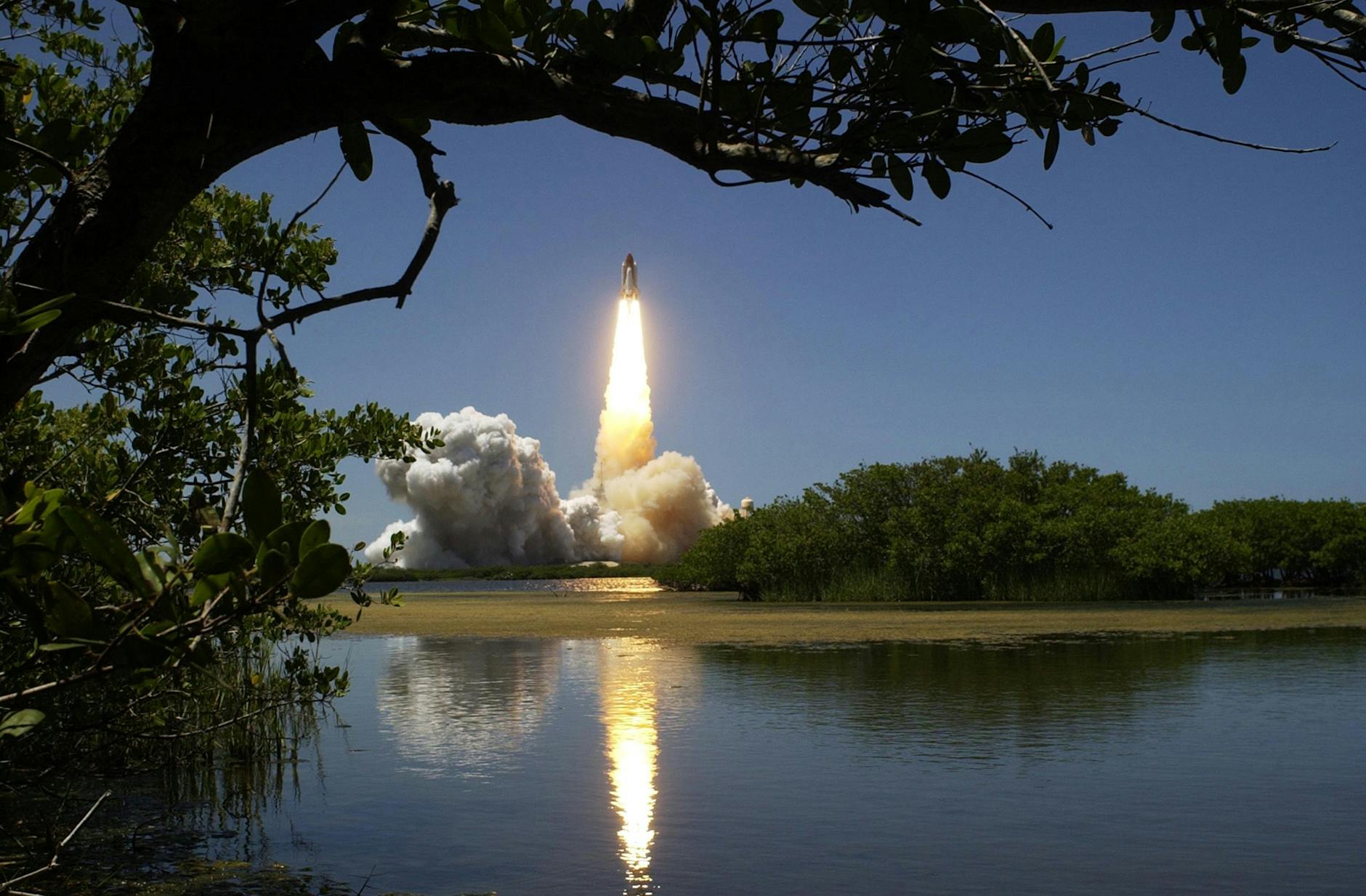
Shepard’s successful splashdown in the Atlantic Ocean provided the national momentum necessary to propel the American space program forward. Just three weeks after this short but significant flight, President John F. Kennedy felt confident enough to commit the nation to the ambitious goal of landing a man on the Moon before the decade concluded. This commitment gave birth to the Apollo program, proving that the fifteen minutes Shepard spent in space were the foundation for humanity’s eventual steps on the lunar surface. Today, the legacy of Freedom 7 serves as a reminder of American ingenuity and the spirit of exploration.