
- Aviation hubs in the Middle East are experiencing massive flight diversions and cancellations due to security-critical airspace zones
- The Strait of Hormuz blockade has restricted the movement of nearly one-fifth of the world’s daily oil and gas supply
- Global shipping routes are being rerouted around Africa, which adds up to two weeks to standard transit times for international goods
- Increased fuel prices and insurance costs are creating significant financial pressure on both airlines and maritime logistics providers
The Middle East is currently navigating a period of unprecedented logistical and economic turbulence as a dual-chokepoint crisis reshapes global trade. Following a series of military escalations involving major regional powers and international forces, the Strait of Hormuz and critical sections of the Red Sea have faced severe operational restrictions. This situation has forced a massive shift in how goods and people move across the globe.
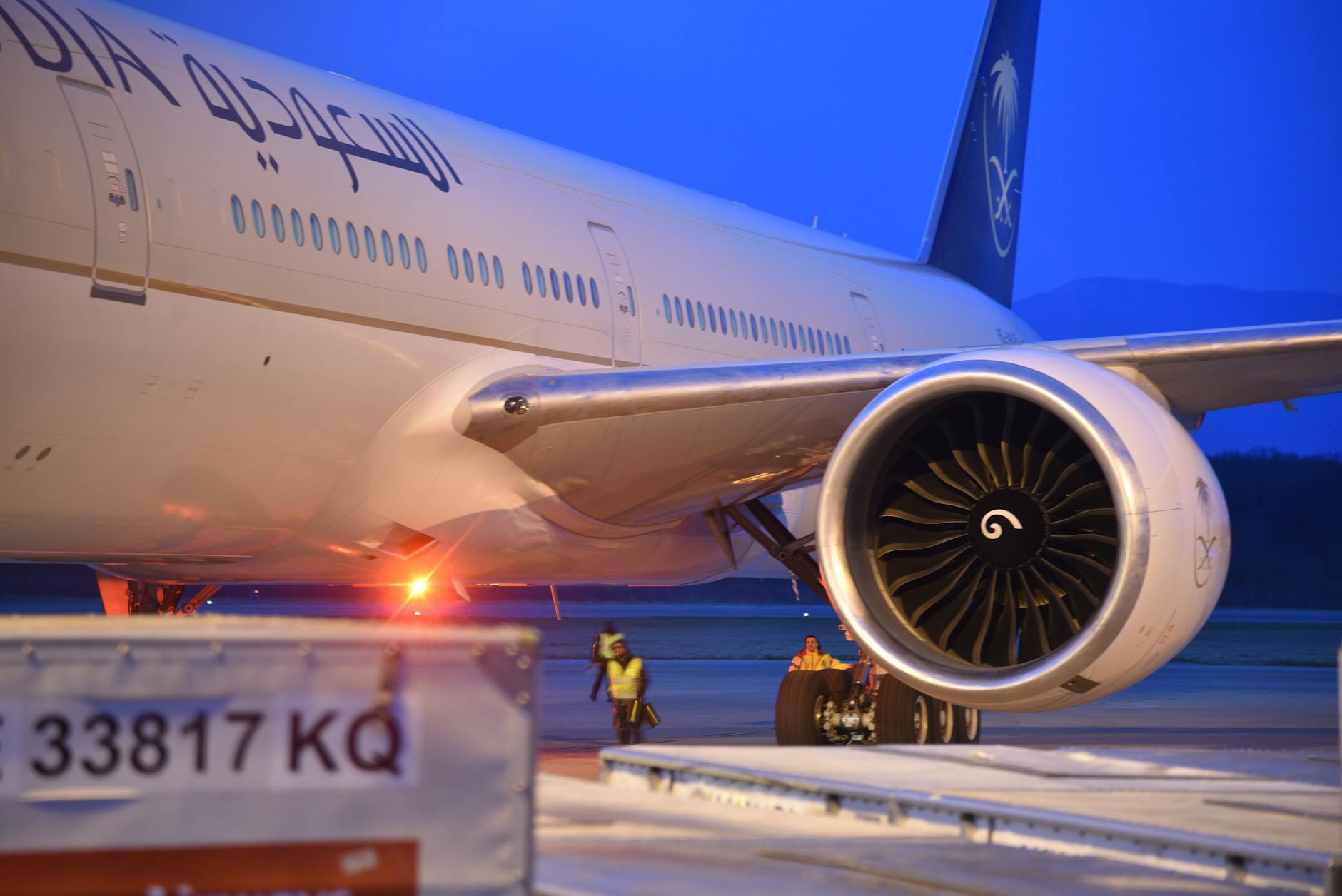
Aviation hubs in Saudi Arabia, Jordan, Qatar, and Bahrain are facing significant disruptions. Many carriers have been forced to implement extensive flight cancellations or adopt lengthy detours across Central Asia and Africa to avoid restricted zones. These rerouted flights lead to increased transit times and higher operational costs, which are already beginning to impact ticket prices and cargo rates. For travelers, the once-efficient corridors of the Gulf have become complex puzzles of shifting schedules and security-related adjustments.
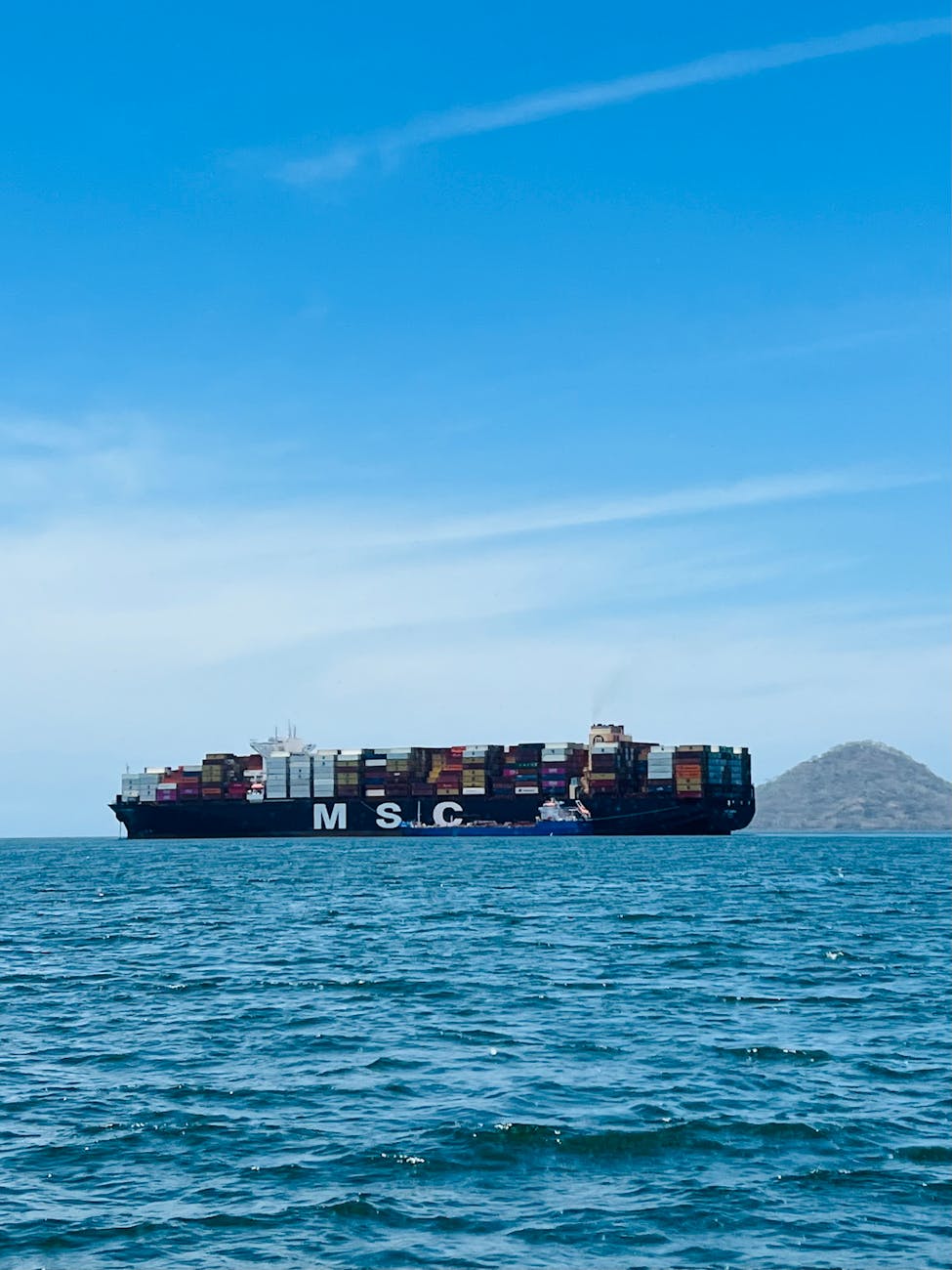
The impact extends far beyond the skies. The effective blockade of maritime routes has stalled approximately twenty percent of the world’s oil and liquefied natural gas supply. This has sent ripples through global markets, raising concerns about energy security in Asia and Europe. Logistics companies are now pivoting to land-based alternatives or much longer sea voyages around the Cape of Good Hope to maintain the flow of essential goods like electronics and pharmaceuticals.
While diplomacy remains the primary goal for regional leaders, the current reality for the travel and trade sectors is one of high alert. Businesses and travelers alike are encouraged to monitor updates closely as the region works to stabilize its essential transit arteries.