
- Critical Water Levels: The lake measured just 56 centimeters in early June, approaching the historic low of 53 centimeters and prompting immediate tracking by water management authorities.
- Proactive Government Intervention: Environmental officials and regional mayors are actively collaborating on a long-term strategy to improve water quality and restore the shoreline.
- Innovative Replenishment Plans: Experts are evaluating sustainable water sourcing options, including nearby streams, karst reservoirs, and engineered solutions from the Danube River.
- Community and Business Adaptation: Local tour operators and holidaymakers are dynamically adapting to changing conditions, keeping the region a welcoming destination for lakeside leisure.
Beautiful Lake Velence, one of Hungary’s most beloved summer destinations, is currently capturing global attention as local communities unite to protect its precious ecosystem. Famed for its shallow, warm waters and proximity to Budapest, this scenic destination is facing an unprecedented hydrological challenge. Recent data reveals that water levels have dipped significantly, measuring just 56 centimeters at the town of Agárd. This brings the water level remarkably close to the historic low of 2022.
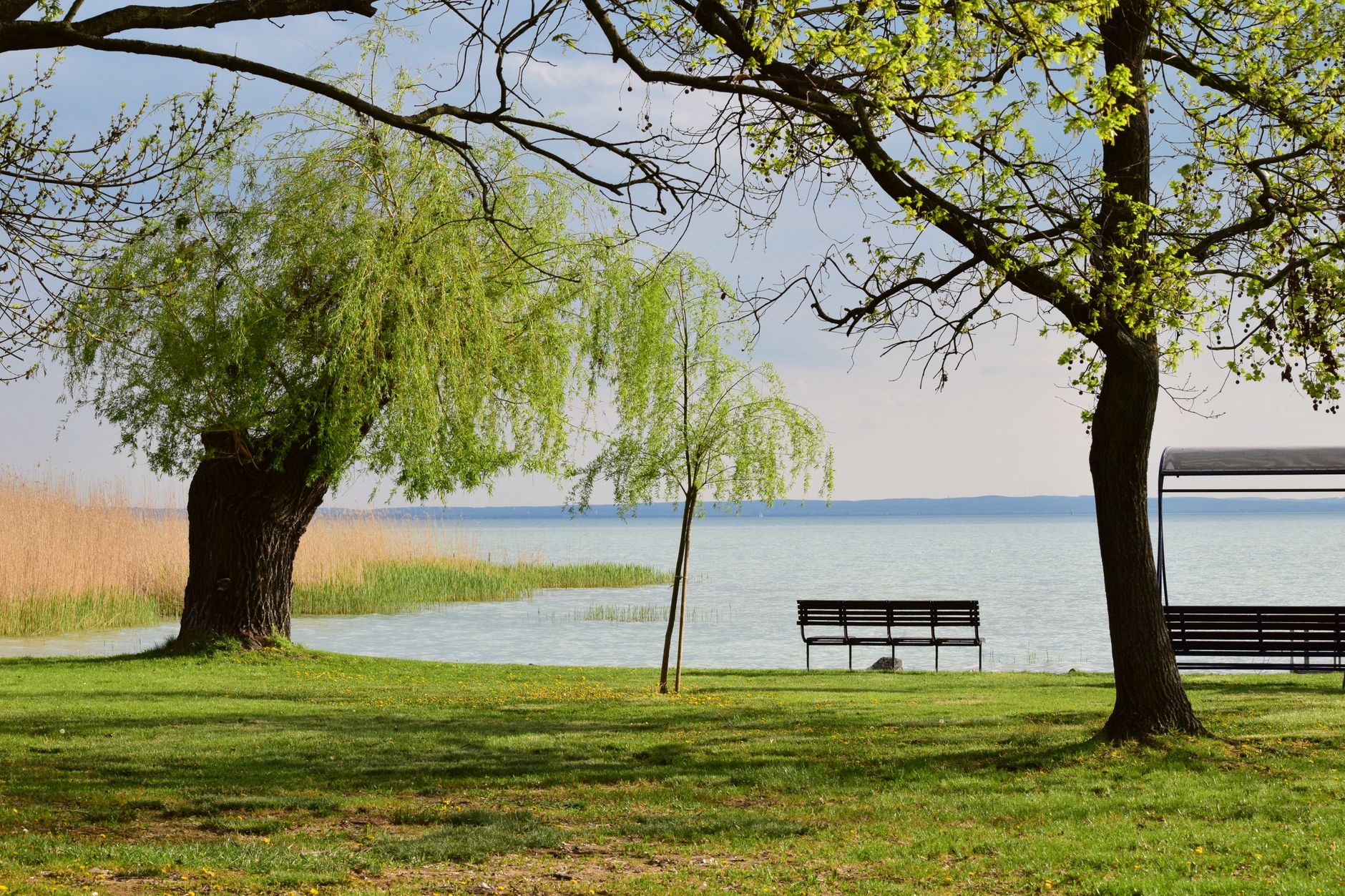
Despite the dropping water levels, the spirit of adaptation and resilience shines bright across the region. Local children continue to find joy playing on the newly exposed sandy shores, and communities are proactively adjusting to these environmental shifts. The current conditions present a unique, transitional landscape for visitors, shifting the focus toward lakeside relaxation, nature observation, and exploring the rich cultural history of the surrounding towns.
To safeguard the future of this beautiful resource, collaborative actions are already underway. Hungary’s Minister of Environment, László Gájdos, recently convened with local mayors, water management experts, and environmental organizations to orchestrate a robust recovery plan. This united front is actively exploring innovative solutions to improve water quality, restore the shoreline, and establish sustainable long-term water replenishment strategies. Potential ideas include utilizing alternative regional streams, nearby karst water reservoirs, or looking toward a large-scale transfer from the Danube River. The widespread passion for preserving this unique destination highlights a powerful commitment to balancing tourism, supporting local business operators, and protecting local wildlife habitats for generations to come.