
Pre-flight anxiety often peaks during the journey to the airport, but practical planning and professional airport transfers can dramatically reduce stress and improve the overall travel experience.
Most travelers expect turbulence at 30,000 feet, but research shows the most anxiety-inducing part of any trip isn’t the flight itself, but the journey to the airport. From navigating traffic and parking to juggling luggage and tickets, pre-flight moments can provoke stress levels far higher than those experienced midair.
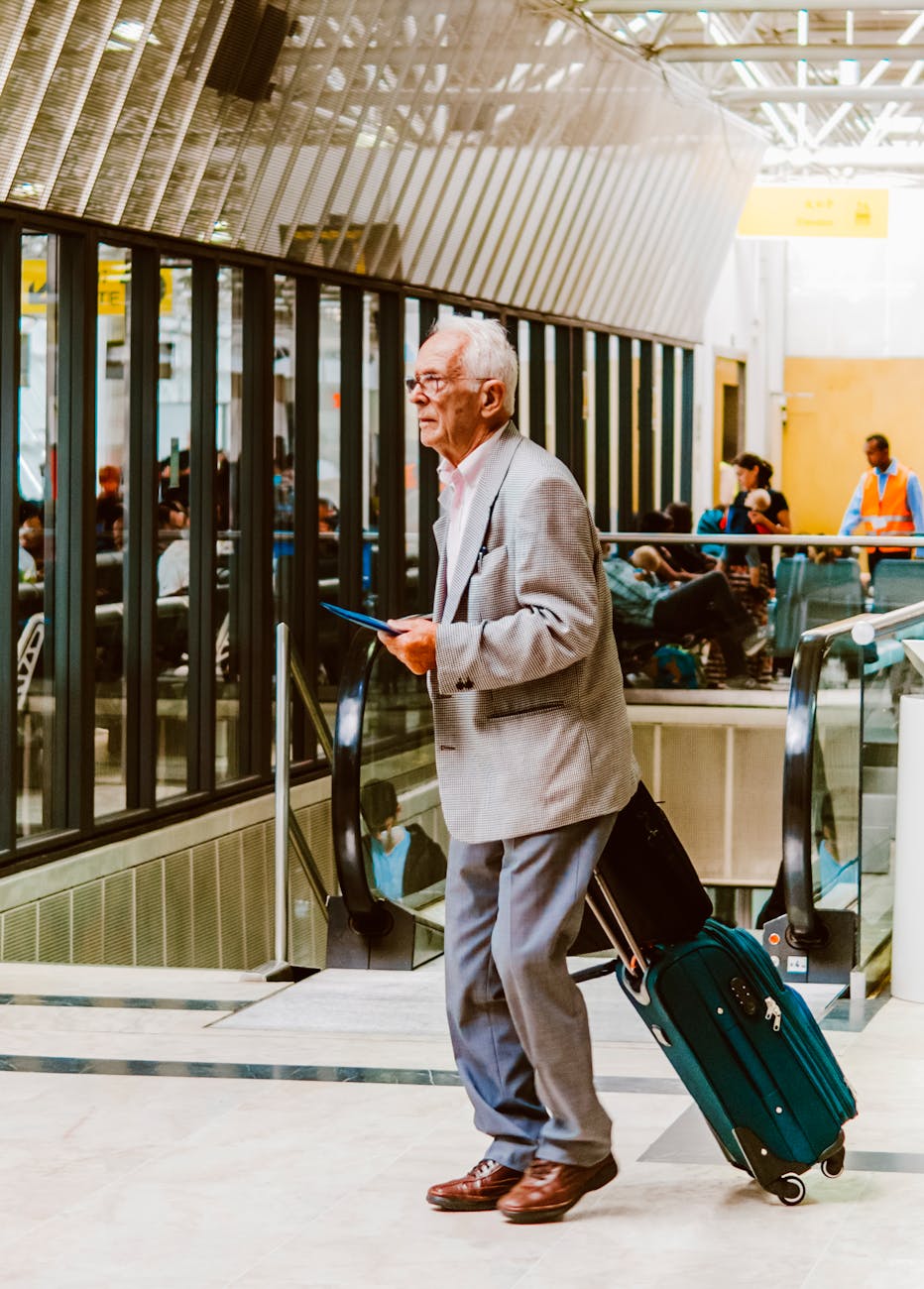
Transfeero explains why preparation, and professional support, can turn what feels like chaos into a calm, controlled experience.
Travel Expert Andrea Platania from Transfeero says:
“Air travel is no longer just about flying but the experience leading up to takeoff. Studies in travel behaviour and psychology consistently show that uncertainty is a major driver of pre-flight stress. People worry about missing rides, traffic delays, security lines, and whether they’ve packed everything essential. That anxiety often compounds, leaving travelers feeling exhausted before they even enter the terminal.”
Why Stress Peaks Before You Fly
1. Anticipation Anxiety
Psychologists describe a phenomenon called anticipatory stress, where worrying about a future event triggers physical and emotional tension in advance. For travelers, the mere thought of negotiating airport logistics: traffic, drop-offs, luggage, can elevate heart rate, increase irritability, and impair decision-making.
2. Cognitive Load Overload
Travel requires juggling multiple tasks simultaneously: tracking flights, coordinating pickups, managing documents, and keeping personal items organized. Research in cognitive psychology shows that higher cognitive load directly correlates with stress perception, making the first steps of a trip mentally exhausting.
3. Unpredictable Variables
External factors such as road closures, ride delays, or last-minute gate changes create a sense of loss of control. Behavioral studies indicate that unpredictability magnifies anxiety more than the event itself, explaining why traffic jams can feel worse than the flight.
4.Time Pressure
Travelers often underestimate how long each stage of the journey takes. The fear of missing check-in, security, or boarding deadlines triggers the body’s stress response, even if all timing calculations are technically sufficient.
Turning Pre-Flight Stress Into a Calm Journey
Andrea Platania advises:
“The solution is to reduce uncertainty and regain a sense of control. Pre-booking a professional airport transfer is one of the simplest ways to do this. Verified drivers, fixed pricing, and guaranteed punctuality remove a major source of anxiety. When that stressor is handled, travelers can focus on other essentials, like documentation, luggage, and mental preparation.”
Other tips include:
- Create a “Travel Command Center”: Keep passports, tickets, and key items in a single pouch. Add checklists for chargers, adapters, or SIM cards.
- Monitor Connectivity: Ensure phones and apps are ready to provide live flight updates, airport maps, or ride notifications.
- Reframe Waiting: Transform idle moments into micro-breaks. Use lounges, observation decks, or journaling rituals to recharge before takeoff.
- Build Buffers: Factor in extra time for traffic, security lines, or last-minute errands to reduce time-related stress.
Why This Matters
With global air travel continuing to rebound, airports are busier than ever. According to the International Air Transport Association (IATA), 57% of travelers report high stress levels during arrivals alone. Managing the journey to the airport, not just the flight, can dramatically improve the overall travel experience, making the trip more enjoyable from the moment you leave home.
Andrea Platania adds:
“Travel anxiety isn’t inevitable. Planning, organization, and professional support turn what feels like a chaotic journey into a smooth, controlled experience. The goal is to arrive at the gate relaxed and ready, rather than already drained from stress.”
Home vs Airport Stress Checklist: How to Arrive Calm and Prepared
| Stage | Common Stressors | Expert Tips |
|---|---|---|
| Before Leaving Home | Forgetting documents, chargers, or tickets; last-minute packing panic | Create a “Travel Command Center” pouch with passport, boarding pass, ID, ticketsAdd mini checklists for adapters, chargers, SIM cardsPack luggage the night before to reduce rush |
| Journey to Airport | Traffic delays, parking confusion, unreliable rides | Pre-book a professional airport transfer for verified drivers and fixed pricingMonitor ride tracking and traffic updatesBuild in extra travel buffer (10–15 min) |
| At the Airport | Long security lines, crowded terminals, gate changes | Check flight status and gate info via appsUse lounges or observation decks to relaxKeep snacks, water, or mini meditation guides handy |
| Waiting Period | Idle time leading to anxiety or irritability | Reframe waiting as a mini mental reset: journal, meditate, or explore airport art spacesUse headphones or calming apps to reduce sensory overload |
| Overall Mindset | Feeling rushed, losing control | Focus on what you can control (timing, documentation, connectivity)Approach the journey as part of the travel experience, not a necessary evil |