
- Pioneering Liquid Hydrogen Fuel Cells: Viking Libra features a 6-megawatt hydrogen fuel cell installation capable of powering roughly one-third of the ship’s propulsion demands.
- Targeted Zero-Emission Capabilities: The hybrid power system enables zero-emission sailing in ecologically protected regions, such as sensitive European fjords.
- Innovative Containerized Bunkering: The ship resolves global port infrastructure limits by craning pre-filled hydrogen fuel containers directly on board during port visits.
- Industry Decarbonization Milestone: Built by Fincantieri, the small-ship design serves as a real-world stepping stone toward broader green energy adoption across ocean shipping.
Viking and Italian shipbuilder Fincantieri are ushering in a transformative era for sustainable cruising with Viking Libra. Set for delivery in November 2026, the 54,300-gross-ton vessel represents the world’s first commercial cruise ship equipped to store liquefied hydrogen on board, powering state-of-the-art proton exchange membrane fuel cells built by Isotta Fraschini Motori.
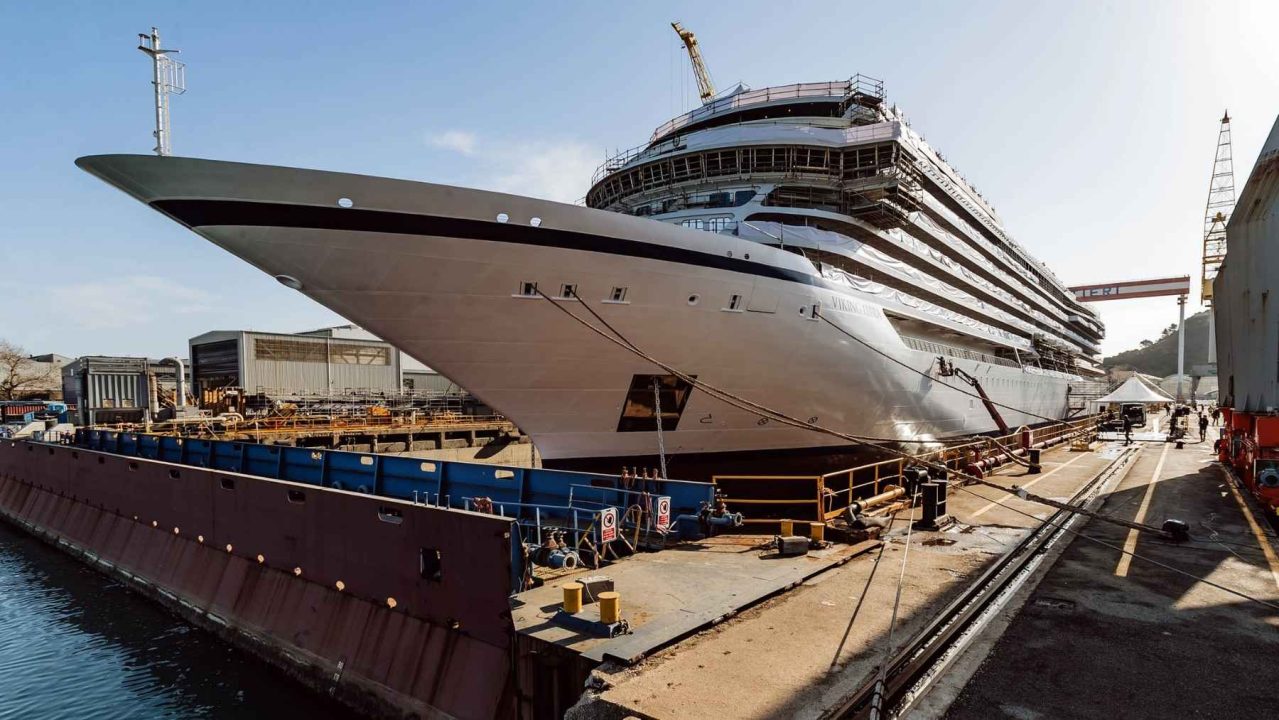
The vessel’s six-megawatt fuel cell system provides clean, quiet power capable of driving roughly one-third of the ship’s propulsion capacity. This capability allows Viking Libra to shut down its conventional engines and operate with true zero emissions in environmentally sensitive areas like pristine Norwegian fjords and delicate coastal marine reserves. To bypass current shore-based supply gaps, the ship utilizes an innovative containerized hydrogen system, craning fuel containers directly on board during port calls.
Designed for 998 guests, Viking Libra balances boutique ocean luxury with forward-thinking engineering. This milestone sets a vital foundation for maritime decarbonization as shipbuilders continue developing 100% hydrogen-fueled engines for future sister ships like Viking Astrea. By taking bold, practical steps toward green energy adoption, Viking and Fincantieri are demonstrating how cutting-edge technology can preserve natural destinations for generations of ocean travelers.