
- Premium Cost Scale: The data compiled by Upgraded Points demonstrates that upgrading from below-average legroom to above-average legroom adds an average premium of 88 dollars per ticket.
- Carrier Selection Impact: Operational models vary significantly by airline, with JetBlue leading the industry in standard spacious configurations and Frontier representing high-density, ultra-low-cost layouts.
- Group Multiplier Effect: While individual tier increases appear modest, the cost differential for a family of four can add up to 352 dollars before accounting for luggage or seat assignment fees.
- Consumer Budget Thresholds: The study indicates that the typical domestic traveler is willing to spend roughly 45 dollars specifically to secure extra legroom on a flight
An insightful new travel industry report released by Upgraded Points shines a bright spotlight on contemporary aviation trends, detailing the precise premium travelers pay for extra legroom on domestic flights. By comprehensively reviewing data from over 5,000 flights across the busiest domestic flight routes in the United States, the study offers excellent clarity on standard airline pricing models. This thorough analysis equips modern flyers with the data necessary to maximize their personal comfort and travel budget for a vastly improved journey.
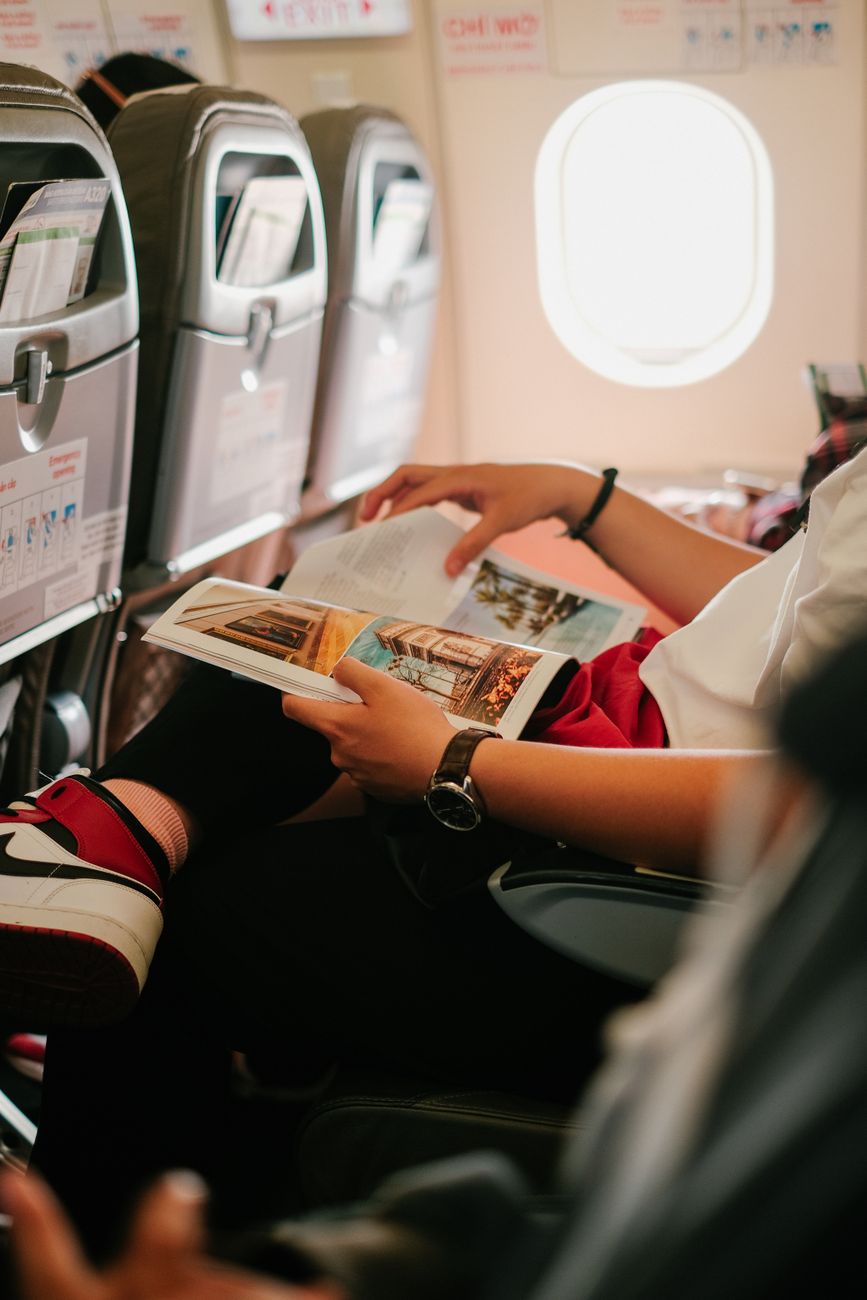
According to the data collected by Upgraded Points, securing an above-average seat pitch ranging from 31 to 33 inches introduces a total average price increase of 88 dollars compared to high-density, below-average seating configurations. The study maps a clear path of sequential pricing steps across economy tiers. While a standard below-average economy ticket averages 188 dollars, transitioning up to average legroom costs an additional 37 dollars, and securing premium above-average space requires a further 51-dollar investment.
The study also underscores a strong correlation between an airline’s business model and the spatial comfort they offer. JetBlue Airways emerged as the top performer for premium economy space, consistently integrating generous legroom into its standard product. Conversely, ultra-low-cost carriers like Frontier Airlines utilize high-density cabin layouts to maintain the lowest possible upfront ticket prices. Interestingly, consumer sentiment data reveals that 78 percent of frequent flyers have either previously paid for extra legroom or are highly open to doing so in the future, with the average passenger setting a personal budget threshold of 45 dollars for extra space. By evaluating these distinct carrier metrics ahead of time, travelers can effortlessly choose flights that perfectly balance economic savings with a relaxing, physically comfortable inflight experience.