
- American Market Dominance: Travelers from the United States currently represent the largest demographic of visitors seeking high-end safari experiences in East Africa.
- Conservation Funding: Tourism revenue remains a primary source of financial support for wildlife protection and the management of vast natural reserves.
- Multi-Generational Appeal: New programming specifically targets families and older travelers, making remote wilderness areas more accessible and comfortable.
- Sustainable Operations: Leading safari brands are focusing on low-impact, high-value tourism models that prioritize the well-being of both wildlife and local communities.
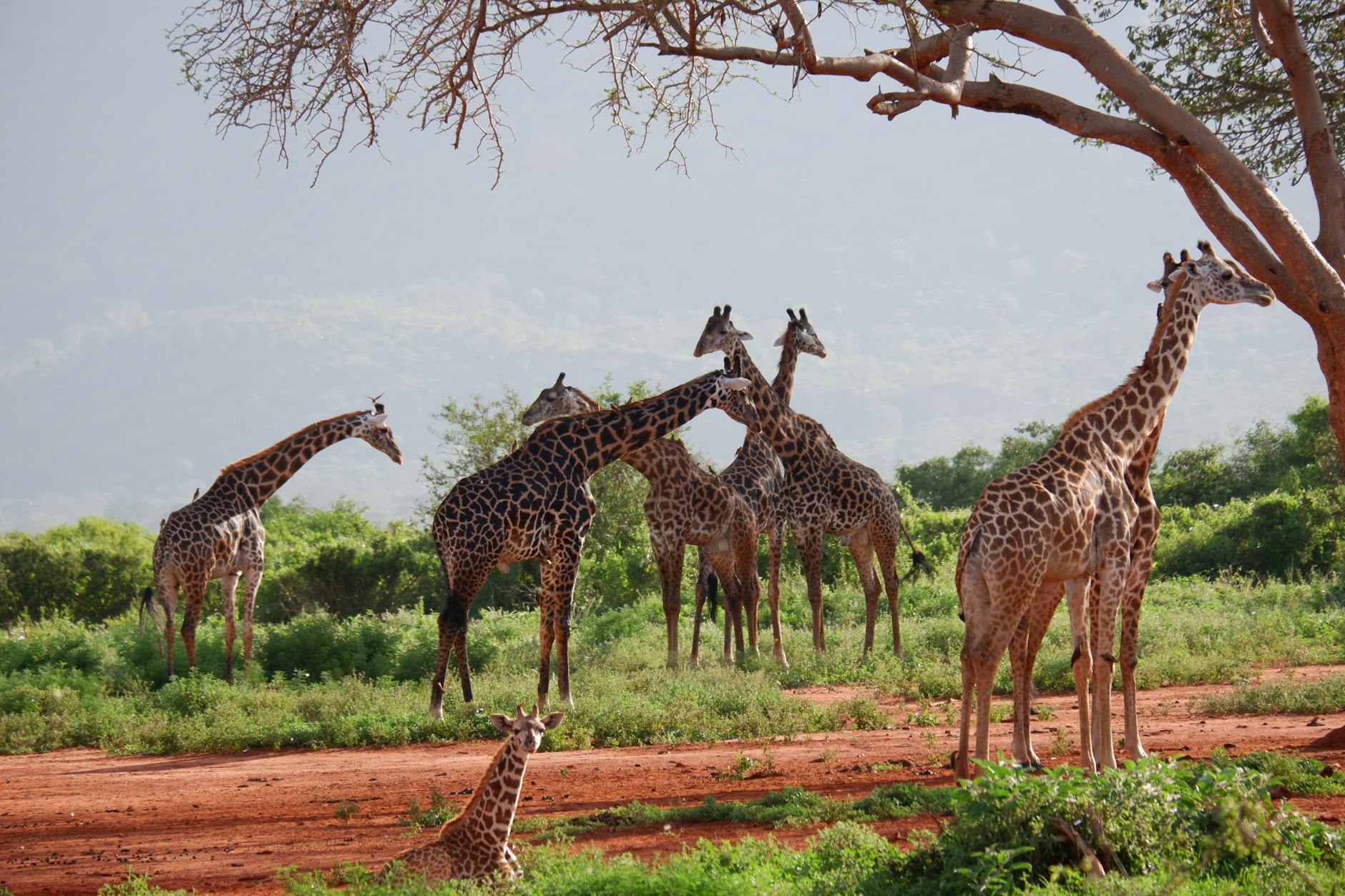
The African safari market is experiencing a significant surge in popularity, with travelers from the United States emerging as the dominant force in this sector. According to recent insights from Asilia Africa, a leading safari operator, American tourists now account for a substantial portion of bookings across key destinations like Tanzania and Kenya. This growing interest is driven by a desire for meaningful, life-enhancing travel experiences that prioritize deep connections with nature and wildlife. The trend reflects a broader shift toward luxury expedition travel, where guests seek both high-end comfort and authentic environmental engagement.
A key factor in this market growth is the expansion of accessible luxury and family-oriented programming. Safari lodges are increasingly offering specialized activities that cater to multi-generational groups, ensuring that travelers of all ages can appreciate the splendor of the African wilderness. From expert-led game drives to interactive conservation sessions, the modern safari experience is designed to be as educational as it is breathtaking. Furthermore, the rise of “slow travel” has encouraged guests to spend more time in fewer locations, allowing for a deeper understanding of the local ecology and community-driven conservation efforts.
The economic and ecological impact of this traveler influx is overwhelmingly positive. The revenue generated by international tourism provides critical funding for national parks and protected areas, directly supporting the preservation of endangered species such as lions, elephants, and rhinos. By choosing sustainable operators, travelers from the US and beyond are contributing to the long-term health of African ecosystems. As 2026 approaches, the safari industry remains a beacon of resilience, offering a unique blend of adventure, luxury, and purposeful exploration that continues to capture the imagination of the global travel community.