
- Sanctions Targeting Cuban Tourism Ministry: Washington has expanded economic restrictions to include Cuba’s primary tourism governance body, complicating foreign investment partnerships and marketing initiatives.
- Redirected Passenger and Capital Demand: Travelers and international hospitality brands are shifting away from Cuba toward infrastructure-ready Caribbean alternatives.
- Aggressive Regional Resort Development Acceleration: Markets like the Dominican Republic, Jamaica, and Mexico are quickly expanding hotel capacity to capture redirected leisure markets.
- Enhanced Choices for International Vacationers: Heightened competition among stable island gateways provides global flyers with competitive packages, modern transit options, and improved service quality
A major structural shift is dramatically reshaping the Caribbean hospitality landscape. The United States has intensified its economic campaign against Havana by placing Cuba’s Ministry of Tourism and several strategic state-owned enterprises directly under expanded sanctions. This targeted policy aims to restrict foreign currency generation, creating significant compliance complexities and operational hurdles for international resort developers, financial institutions, and commercial maritime operations tied to the Cuban market.
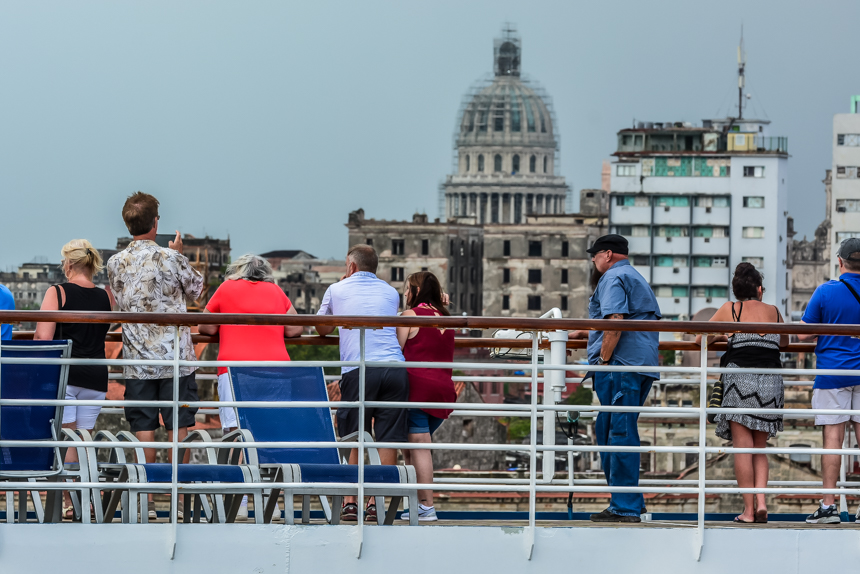
While these measures introduce fresh economic headwinds for Cuba’s ongoing travel recovery, they are simultaneously sparking an extraordinary, high-stakes tourism boom across alternative Caribbean destinations. Neighboring nations with robust infrastructure, stable aviation corridors, and transparent investment policies are entering a dynamic race to capture millions of redirected global travelers and millions in hospitality capital. Powerhouse markets like the Dominican Republic, Jamaica, Mexico, Puerto Rico, and the Bahamas are moving quickly to expand their premium hotel portfolios and roll out aggressive destination marketing campaigns.

From the luxury beachfront resorts of Punta Cana to the vibrant cultural hotspots of Cancun and Nassau, global travelers are benefiting from an unprecedented abundance of vacation choices, competitive resort packages, and enhanced transit options. International hotel brands are rapidly pivoting their corporate focus to these growing, business-friendly hubs, funding extensive property upgrades and new eco-resort builds. Ultimately, this geographic realignment is driving regional competition to wonderful new heights, fostering exceptional hospitality service standards and securing a incredibly bright, highly resilient future for mainstream Caribbean leisure travel.