
- Cruise ships are high-risk environments for infectious diseases because passengers and crew share close-living and dining quarters.
- Norovirus is the most frequent cause of gastrointestinal outbreaks on cruise ships and is managed through established hygiene protocols.
- Maritime health is governed by international regulations, requiring ships to report health risks to ports and undergo regular inspections.
- Safety is maintained through sanitation, air quality monitoring, contact tracing, and collaborative efforts between cruise lines and health authorities
Managing public health on cruise ships is a critical focus for global travel authorities, especially as the industry continues to navigate the complexities of managing infectious disease outbreaks. Recent reports concerning the MV Hondius and other vessels have drawn attention to the inherent challenges of close-quarters living on the high seas. While such incidents can be concerning, it is important to understand them within the broader context of the millions of individuals who cruise safely each year.
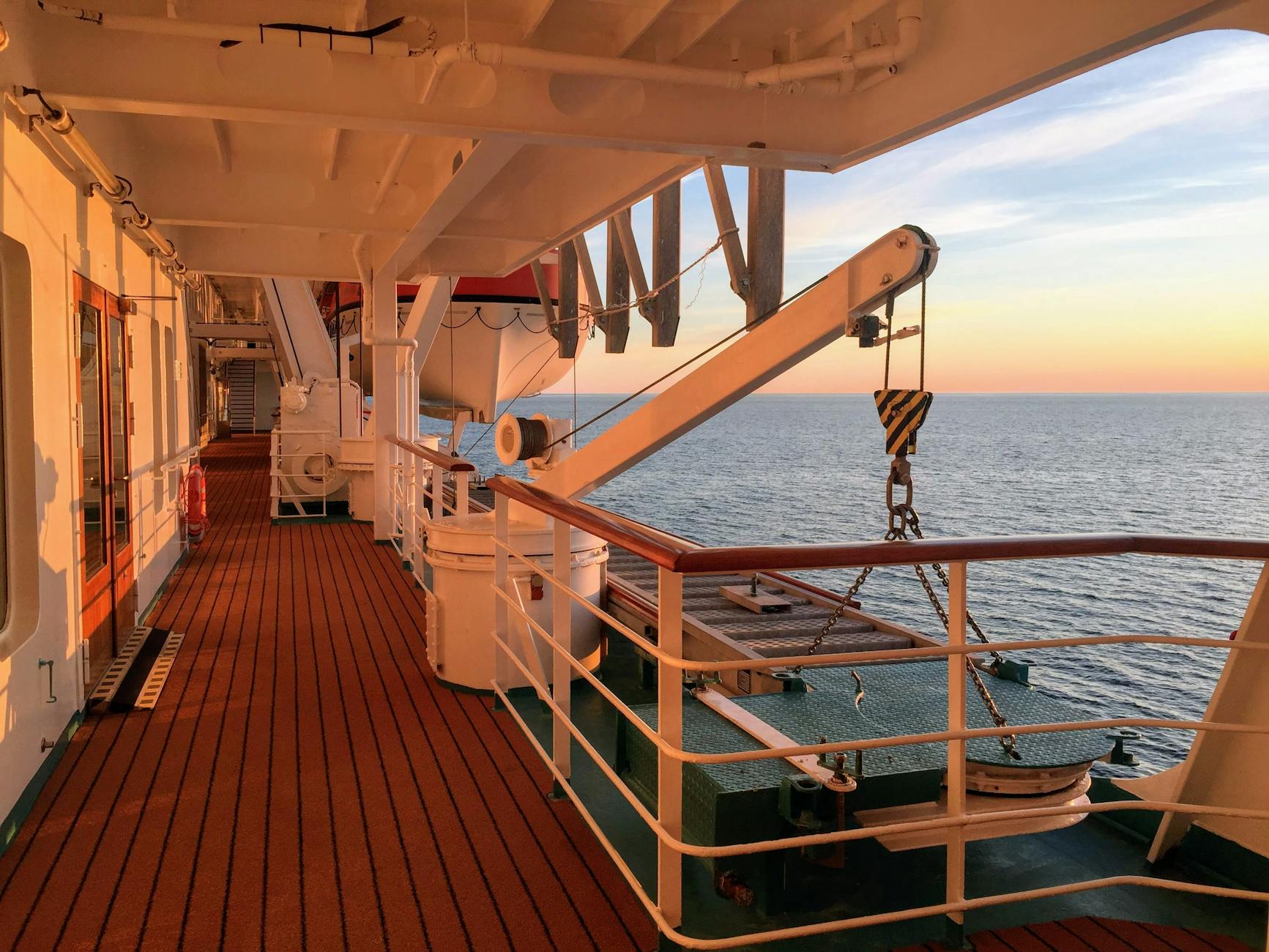
The World Health Organization notes that cruise ships are considered high-risk settings due to the shared nature of dining, ventilation, and recreational facilities. However, outbreaks—most commonly involving norovirus—are generally infrequent and are effectively managed through established public health protocols. These frameworks require cruise operators to maintain rigorous sanitation standards, provide detailed medical monitoring, and coordinate closely with port authorities to ensure that any health risks are identified and contained as quickly as possible.
Proactive measures remain the cornerstone of safe maritime travel. Modern cruise lines utilize a variety of strategies to reduce the risk of transmission, including enhanced cleaning routines, robust air filtration systems, and strict food safety plans. Additionally, standardized inspection programs like the U.S. Vessel Sanitation Program and the European SHIPSAN initiative play a vital role in setting universal health benchmarks. Passengers also contribute to collective safety by practicing good hand hygiene and reporting symptoms early. As the cruise industry evolves, the integration of advanced surveillance systems and rapid response protocols ensures that when health challenges arise, they are met with decisive action. By prioritizing these comprehensive safety frameworks, the maritime sector maintains its commitment to providing a healthy and enjoyable experience for travelers around the world.