
- Federal Maritime Jurisdiction: Onboard accidents occurring on navigable waters are governed by federal admiralty law rather than individual state statutes.
- Aggressive Contract Deadlines: Cruise ticket terms frequently mandate a short six-month window for written notice and a strict one-year deadline to file a lawsuit.
- Proving Negligence Standards: Cruise lines are held to a standard of reasonable care under the circumstances, requiring proof that operators knew about a hazard.
- Strict Forum Requirements: Ticket contracts usually dictate the exact geographic location and court where any legal dispute must be formally litigated
Stepping onboard a magnificent floating resort for a dream vacation is an exciting experience, but unexpected accidents can occasionally turn a relaxing getaway into a complex situation. A common misconception is that a cruise ship injury is handled under the exact same legal framework as a slip-and-fall at a local grocery store or a highway car crash. In reality, while these cases seek compensation for medical expenses and pain and suffering, they are governed by federal maritime law—also known as admiralty law—rather than standard state tort laws. Because incidents occur on navigable waters, federal jurisdiction supersedes local state statutes, introducing unique procedural hurdles that every traveler should understand.
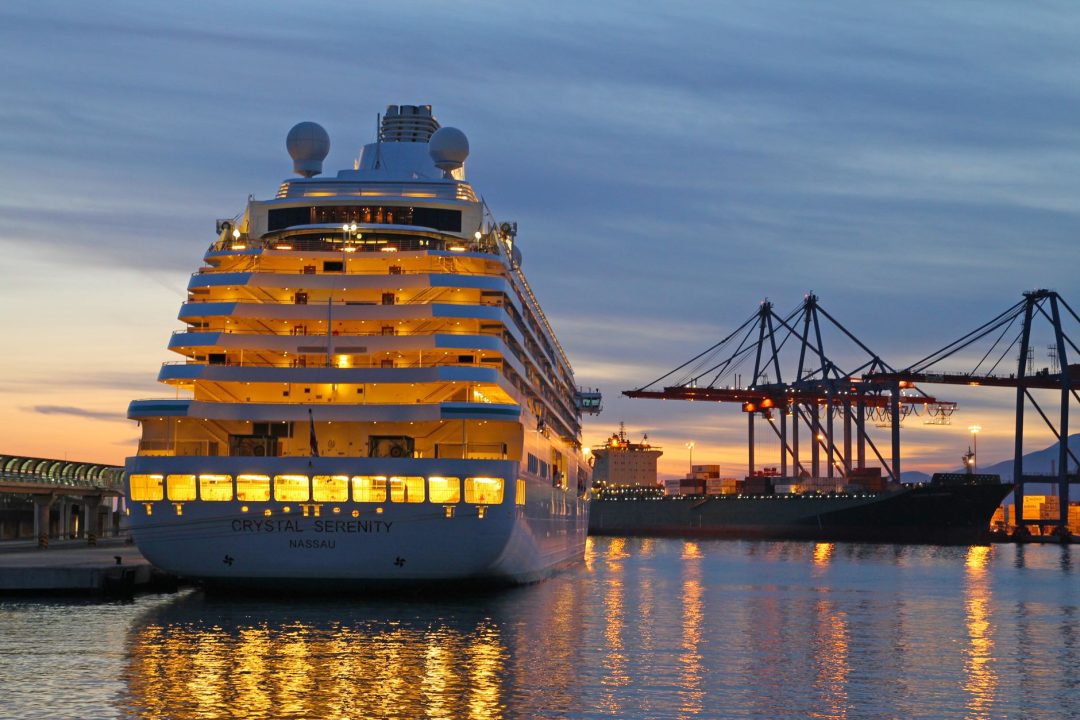
One of the most critical elements of maritime claims involves the fine print found within passenger ticket contracts. Unlike traditional land-based shopping trips, cruise contracts frequently include strict forum selection clauses and exceptionally aggressive deadlines. Many lines enforce a mandatory six-month written notice requirement followed by a strict one-year deadline to formally file a lawsuit. Furthermore, cruise operators are evaluated under a standard of “reasonable care under the circumstances” rather than strict liability, meaning an injured guest must typically prove that the ship knew or should have known about a hazard. Acting quickly to secure medical records, document hazardous conditions, and preserve evidence is vital for protecting passenger rights across these specialized maritime jurisdictions.