
- Financial Relief Mechanics: Transitioning into managed micro-housing options effectively cuts traditional monthly overhead expenses and utility burdens by a significant margin.
- Evolving Zoning Frameworks: Progressive municipal adjustments, such as accessory dwelling unit legislation, are opening up new pathways for legal tiny home integration.
- Community Driven Design: Modern tiny home neighborhoods balance private individual structures with shared communal spaces to promote safety and social connectivity.
- Eco Friendly Residential Growth: The inherent energy efficiency and compact footprint of micro-homes align perfectly with modern sustainable development goals
The shift toward affordable, innovative living options is sparking a massive wave of excitement across the housing market, particularly as creative alternatives challenge traditional residential norms. More families and young professionals are looking past standard high-rent apartments to explore managed micro-communities, which blend private living with highly cooperative neighborhood dynamics. By challenging traditional zoning hurdles and focusing on resourceful, compact design, this evolving lifestyle movement proves that downsizing your square footage can lead to a significant upgrade in economic stability.
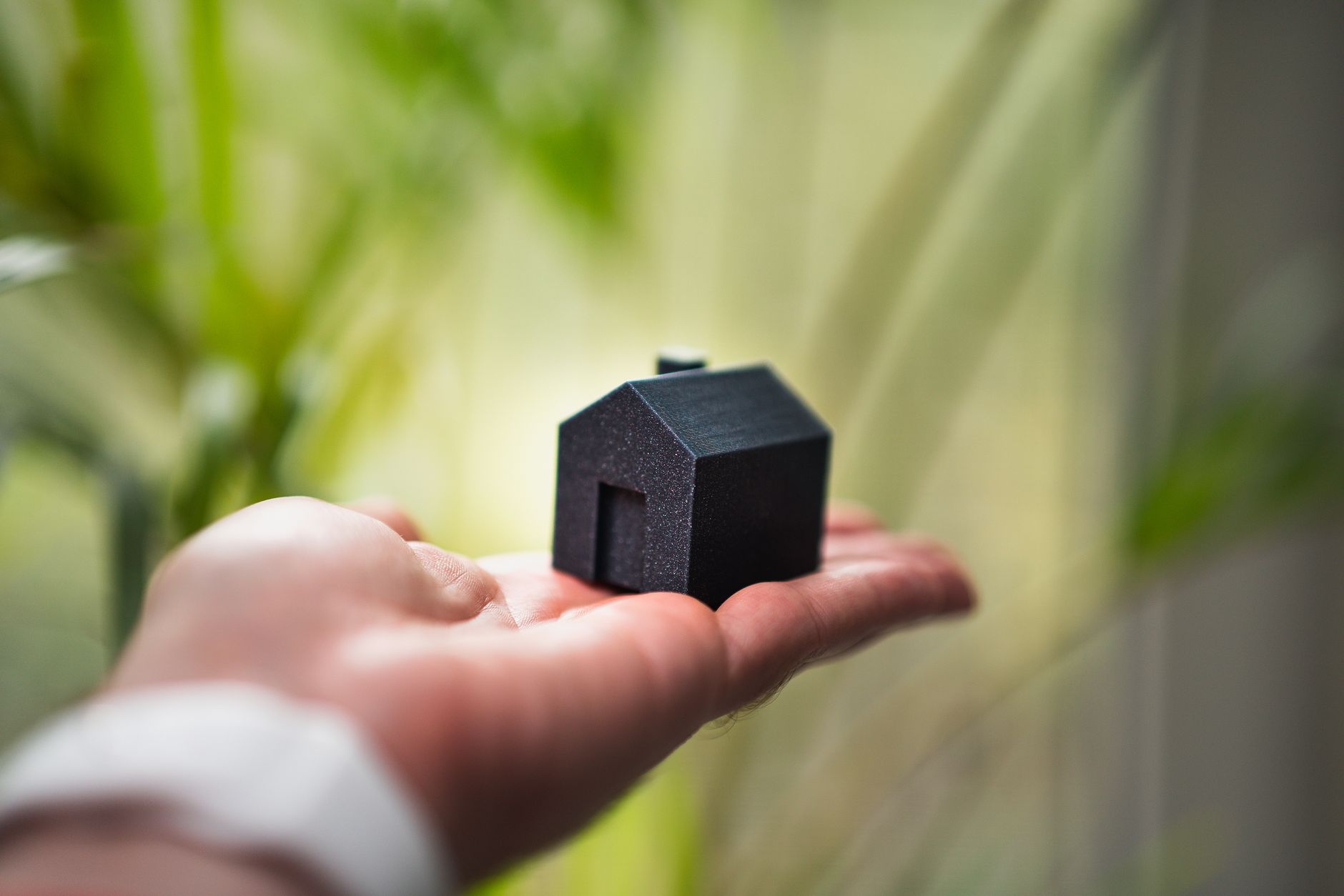
A primary driver behind this growing interest is the liberating escape from traditional mortgage burdens and astronomical monthly utility overhead. Tiny homes on wheels and master-planned park models offer an accessible path to independent living, giving residents the unique ability to invest their hard-earned money back into personal savings, career advancement, or travel experiences. Many forward-thinking cities are responding to this trend by updating their accessory dwelling unit laws, making it easier than ever for property owners to integrate small structures safely and legally.
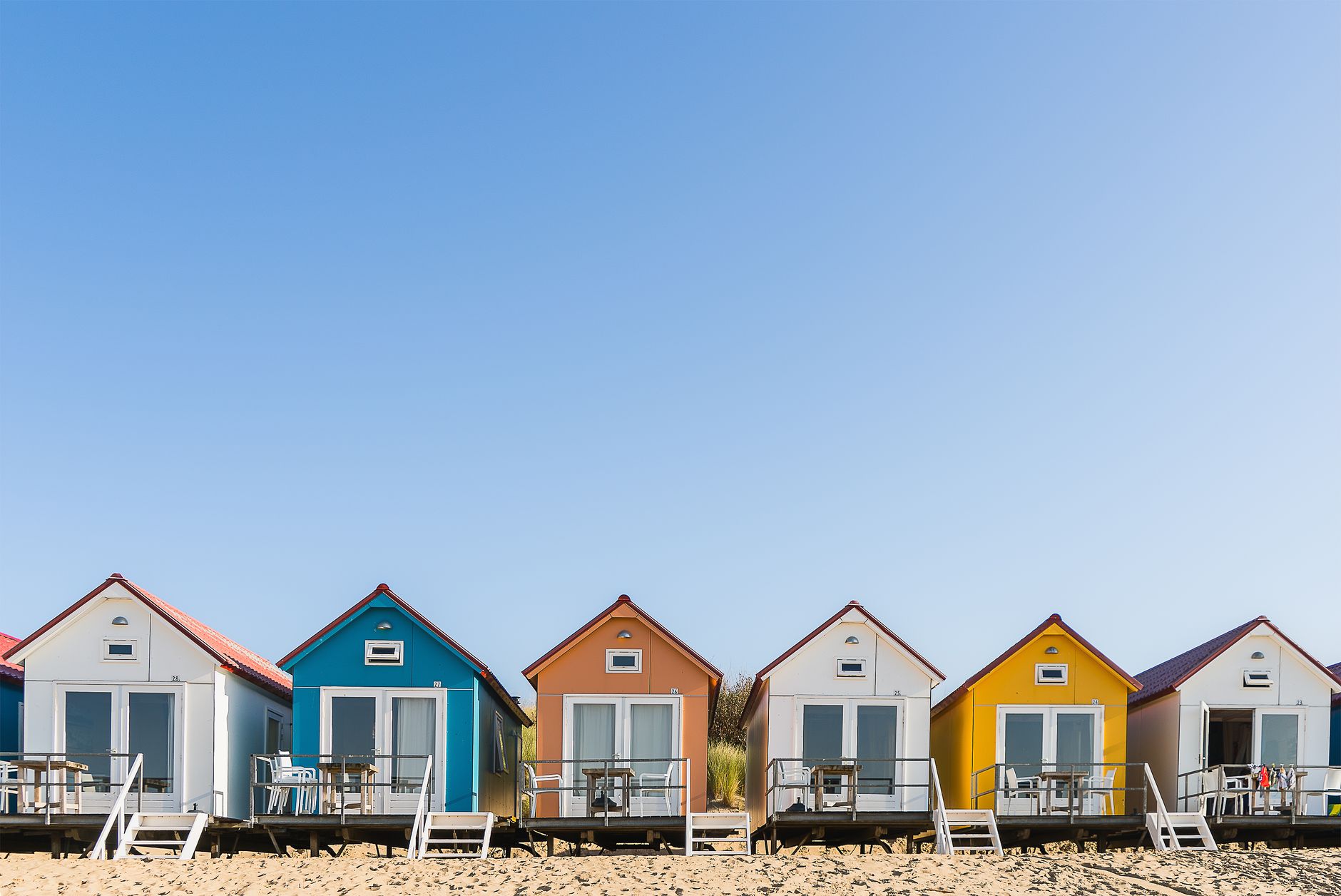
Beyond the clear financial perks, the modern micro-community structure fosters a naturally supportive, close-knit environment. When neighborhood layouts prioritize shared green spaces, shared clubhouses, and group recreational facilities, it encourages a wonderful sense of mutual accountability and social connection. As the demand for eco-friendly, cost-effective housing choices continues to rise nationwide, the ongoing success of these creative local developments reveals a bright, highly sustainable path forward for the future of American neighborhoods.