
- Strategic Transitional Housing: Modern tiny home developments are increasingly being utilized by community organizations to provide secure, stable housing for young families and individuals navigating critical life transitions.
- Economic Empowerment Tactic: Scaling down to managed micro-properties reduces monthly overhead expenses, allowing residents to build personal savings and focus on long-term career planning.
- Intentional Community Infrastructure: Successful tiny home developments integrate private living spaces with shared communal zones to promote safety, mutual accountability, and natural social support networks.
- Sustainable Future Growth: Municipalities and regional planning commissions are closely monitoring these small-scale master communities as a viable pathway to solve regional affordable housing shortages.
The tiny home movement is evolving from a trendy minimalist lifestyle choice into a deeply impactful, community-focused solution for modern housing challenges. Progressive micro-housing neighborhoods are emerging across the country, providing an innovative framework for families and young adults who are transitioning into new phases of life. By focusing on intentional layout design and localized support systems, these pocket neighborhoods prove that scaling down physical space can dramatically scale up your quality of life.
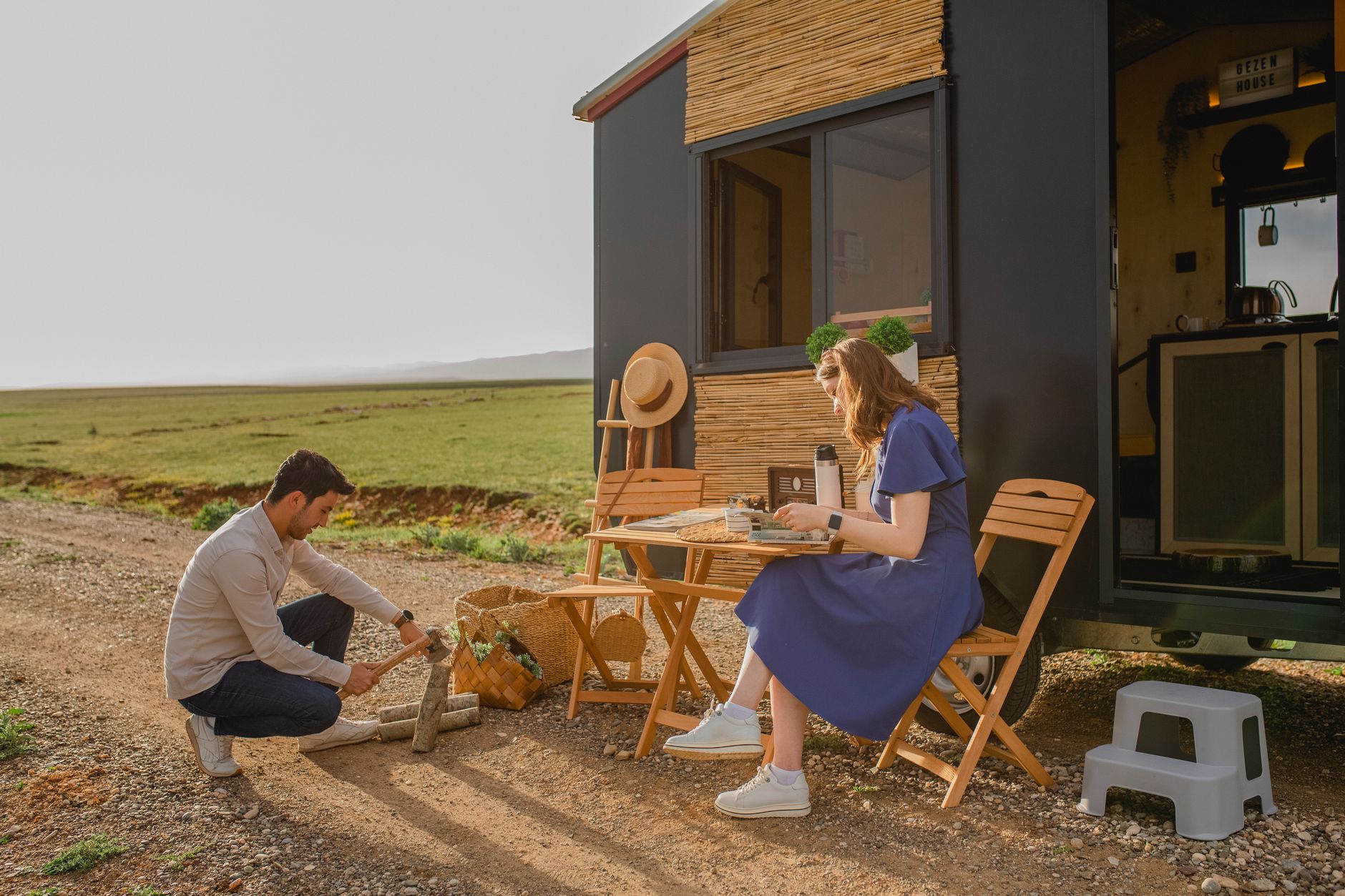
A primary driver of this lifestyle shift is the desire for financial flexibility and a stronger sense of local connection. Tiny home villages offer a structured, accessible entry point into independent living, blending private residential features with shared neighborhood spaces. Many communities are championed by non-profit partnerships and community development groups designed to provide a secure environment where residents can focus on educational goals, career advancement, and personal development.
Beyond affordability, the architectural configuration of modern micro-communities fosters natural neighborhood interaction and shared responsibility. Built with full utility integrations, modern layouts, and shared recreational centers, these developments offer a balanced approach to urban planning. As more people seek out alternative, eco-friendly, and cost-effective ways to plant roots, the success of these localized developments demonstrates that small footprint living can create a massive, positive footprint on the future of American neighborhoods.