
- Reinstatement of Massive Damages: The U.S. Supreme Court ruled 8-1 to revive a combined $440 million judgment against four prominent global cruise lines.
- The Helms Burton Act: This historic 1996 legislation empowers American nationals to seek legal financial recovery from companies that commercially utilize confiscated assets in Cuba.
- Historical Havana Port Usage: The multi-year legal dispute arose after cruise vessels transported approximately one million passengers to Havana during a brief relaxation of travel rules.
- Supreme Court Legal Precedent: The majority opinion clarified that liability applies directly to the physical property tainted by past confiscations rather than just temporary operating leases.
The global cruise industry is navigating an incredibly significant and historic legal milestone as the United States Supreme Court officially issued an 8-1 ruling regarding historic port properties in Havana, Cuba. In a highly anticipated decision, the high court reinstated a massive $440 million combined judgment against four major cruise operators: Carnival Corporation, Royal Caribbean Group, Norwegian Cruise Line Holdings, and MSC Cruises. The landmark ruling effectively revives claims that these prominent vacation lines utilized port infrastructure that had been confiscated by the Cuban government decades ago.

The legal matter centers on the Helms-Burton Act of 1996, a federal framework that permits American nationals to pursue damages against entities that commercially profit from or traffic in property seized during the Cuban Revolution. Between 2016 and 2019, during a temporary lifting of travel restrictions under the Obama administration, the cruise operators collectively carried nearly one million travelers to Havana using the disputed port facilities. Havana Docks Corporation, a U.S. company that held a long-term concession to operate those specific facilities before they were seized in 1960, subsequently filed suit to protect its historical interests.
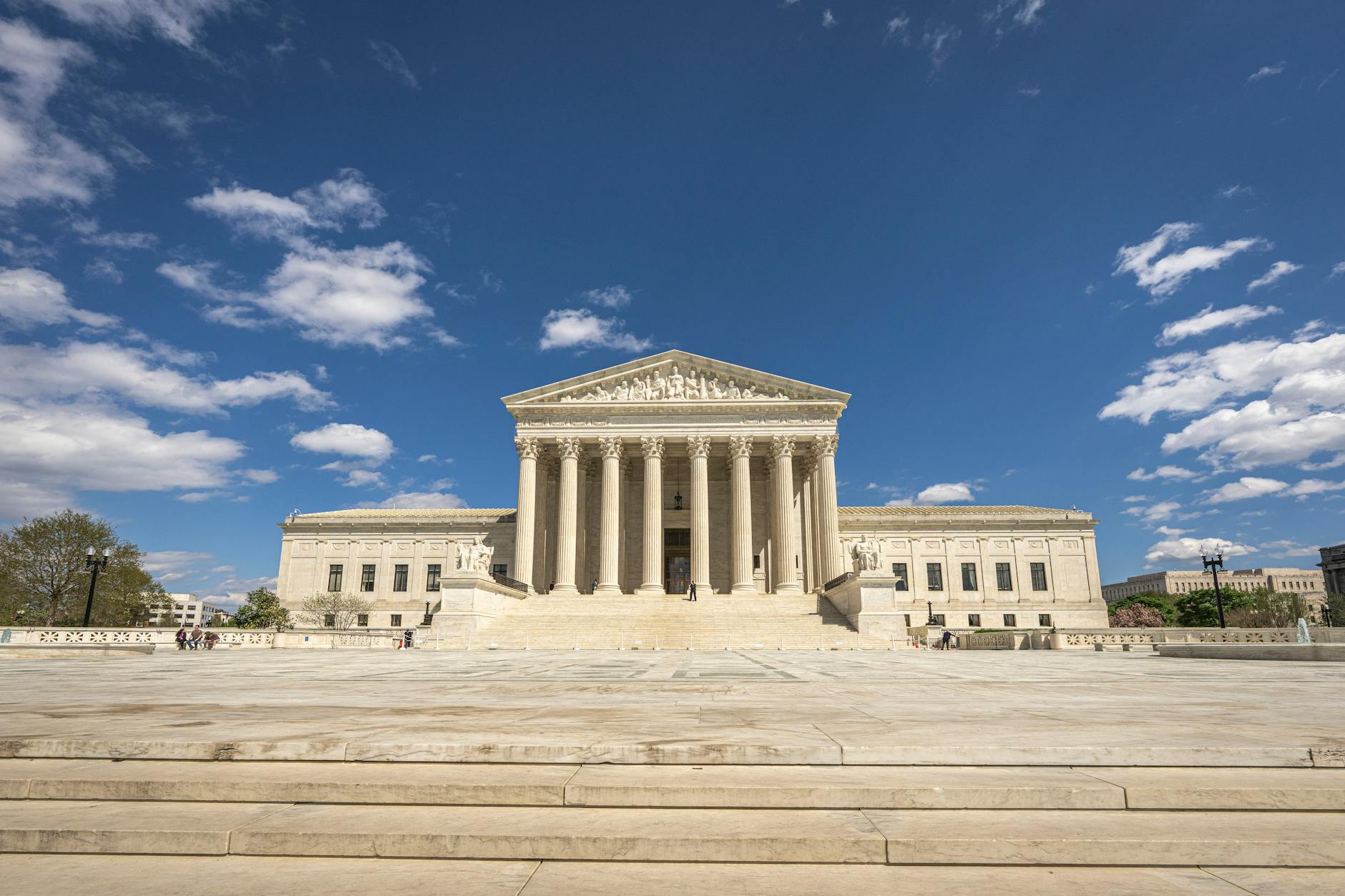
Writing for the strong majority, Justice Clarence Thomas clarified that anyone commercially using property tainted by a past confiscation can face liability under the law. While a federal appeals court had previously dismissed the lawsuits by arguing that the original operating agreement would have naturally expired in 2004, the Supreme Court beautifully restored clarity to the statute by focusing on the physical property itself. While the case now returns to lower courts for final technical arguments, this ruling establishes a robust precedent for international commerce. By validating long-standing legal frameworks, the decision brings a fascinating, reassuring level of resolution to a complex chapter in maritime history.