
- Spirit Airlines officially ceased all flight operations on May 2, 2026, leading to a significant shift in market dynamics.
- Competitors like United, Delta, and Frontier are actively working to fill the service gap and maintain route connectivity.
- The Spirit 2.0 crowdfunding campaign has gathered over 400 million dollars in pledges for a community-owned airline model.
- Industry leaders are exploring more resilient operational strategies to navigate the current global energy and fuel challenges.
The aviation landscape is witnessing a historic transformation following the official conclusion of Spirit Airlines’ operations on May 2, 2026. While the grounding of the iconic yellow fleet marks the end of an era for the pioneer of ultra-low-cost travel, it has simultaneously ignited a fascinating period of industry evolution and grassroots innovation. Major carriers are currently working through the transition to ensure continued connectivity for travelers, particularly across high-traffic hubs in Florida and the Northeast, while budget-conscious rivals move to maintain the accessible travel options that Spirit championed for decades.
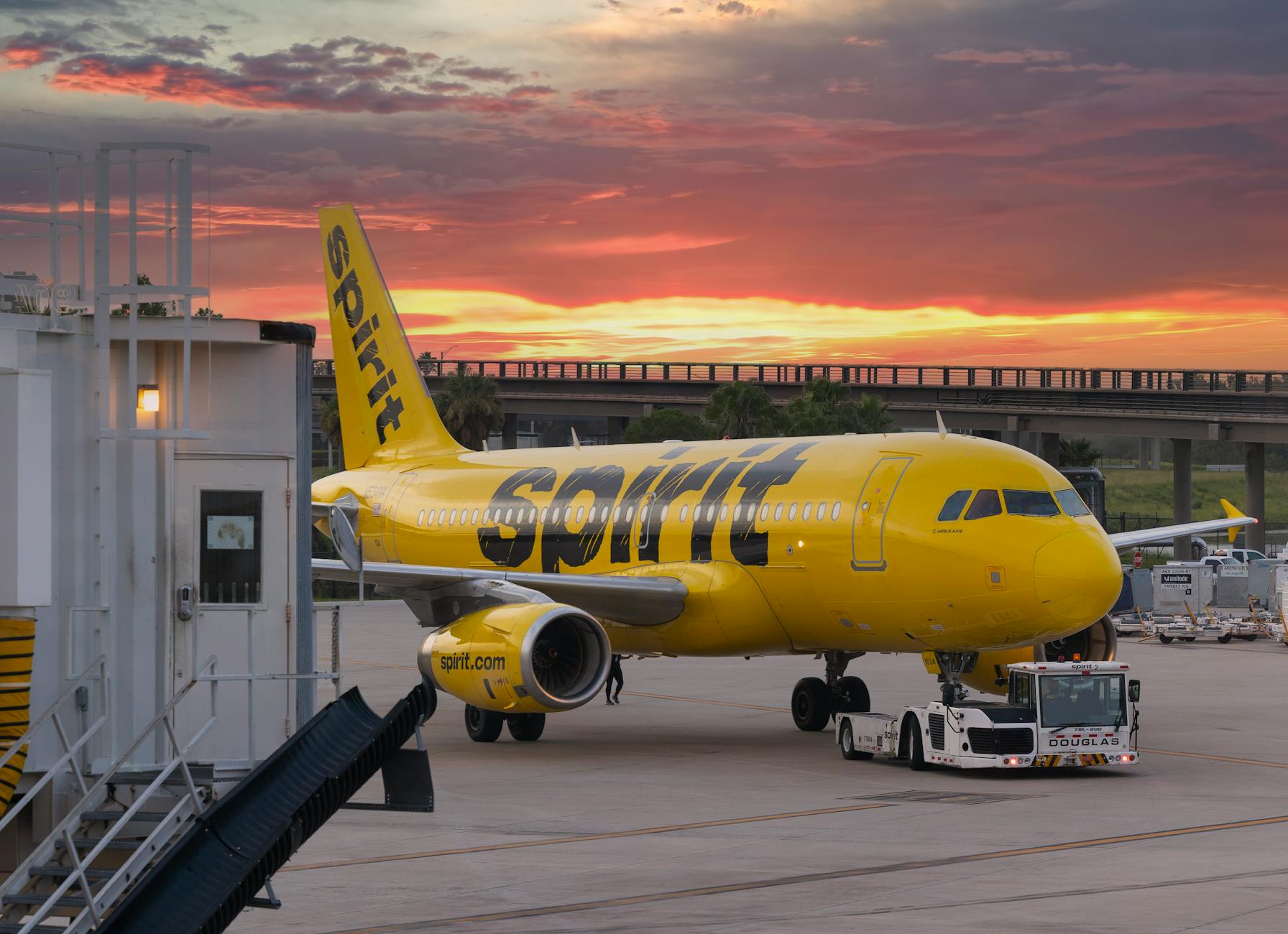
In a truly inspiring turn of events, the “Spirit 2.0” movement has emerged as a symbol of consumer passion and resilience. This unique crowdfunding initiative, led by digital creators, has already captured the imagination of over half a million people who hope to reinvent the carrier as a citizen-owned cooperative. This community-driven effort highlights a profound public desire for affordable global mobility and showcases how modern technology can mobilize people toward a shared vision of accessible flight.
As the industry adjusts, the focus remains on the future of competition and the potential for new business models to take flight. While legacy airlines stabilize the market in the short term, the massive public support for a rejuvenated, community-focused carrier suggests that the spirit of budget travel is far from gone. This transition period is being viewed by many analysts as a necessary stepping stone toward a more resilient and innovative aviation sector that continues to prioritize the needs of the everyday traveler.