
- The Ship as a Disease Vector: Historically, maritime vessels have been viewed as dual entities that both transport pathogens between ports and serve as contained environments where diseases can generate and multiply.
- The Blueprint of the S.S. Sénégal: The 1901 plague outbreak on this luxury cruise ship shifted scientific focus toward rats as primary maritime vectors and established early templates for modern quarantine and isolation protocols.
- The “Floating Petri Dish” Metaphor: Modern cruise ship outbreaks, from COVID-19 to hantavirus, transform spaces of luxury into symbolic hot zones, capturing public attention far beyond their actual epidemiological impact.
- Public Perception and Engagement: Global health responses benefit significantly when experts acknowledge the public’s tendency to view shipboard outbreaks through familiar historical narratives of disrupted isolation and adventure
The recent hantavirus outbreak aboard a cruise ship has captured global attention, echoing a long history of oddly public fascination with maritime illness. While hantavirus is typically a zoonotic disease with limited human-to-human transmission, its appearance on a passenger vessel has ignited intense media coverage. This phenomenon is less about the immediate medical risk and more about how ships capture our collective imagination during health events.
Historically, ships have long been viewed as both carriers and breeding grounds for disease. During the Third Plague Pandemic around 1900, the famous cruise ship S.S. Sénégal became a pivotal case study. When plague broke out among its elite passengers, the incident forced scientists to realize that modern, rapid transport could inadvertently disrupt the ecological balance between humans and nature. This historical event laid the groundwork for modern quarantine protocols, vaccine deployment, and pandemic responses that public health sectors still rely on today.
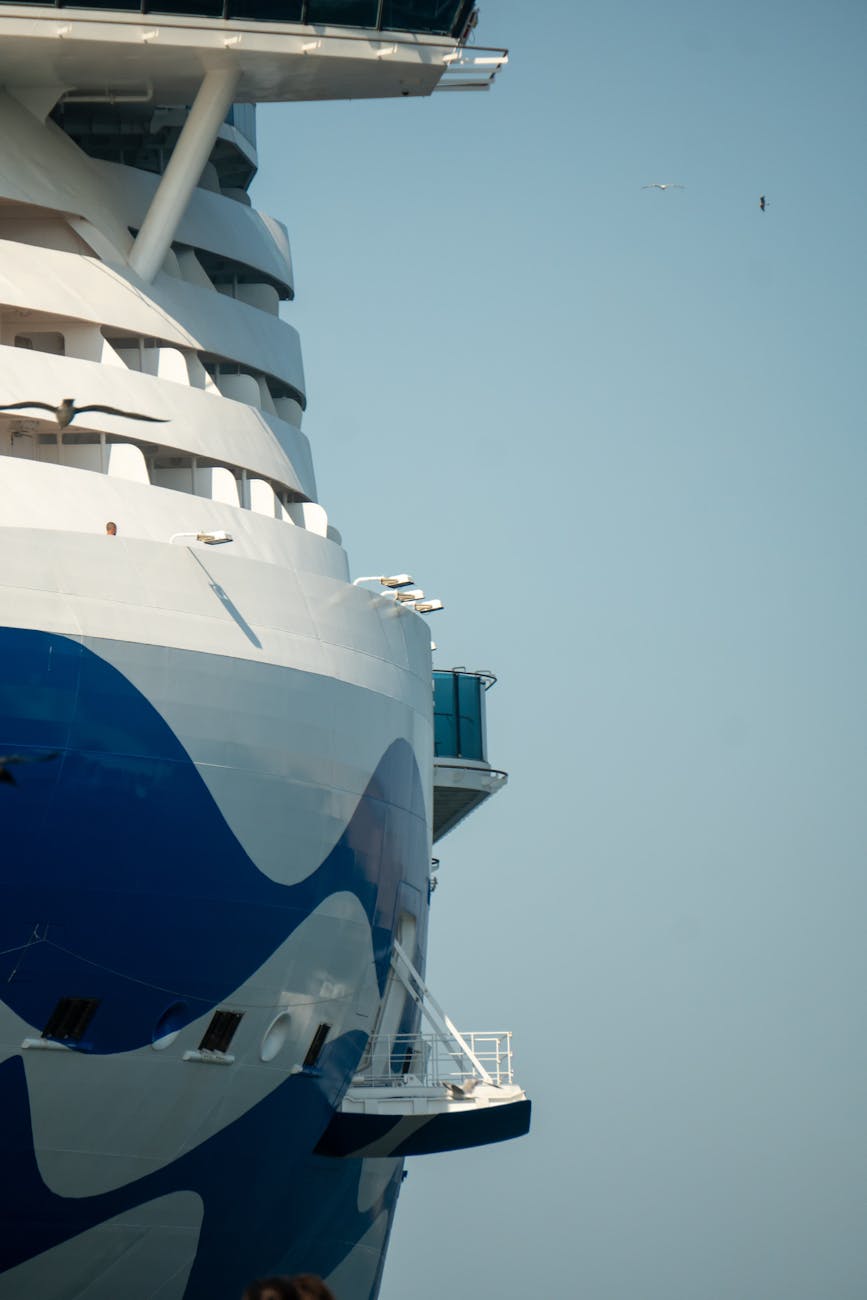
In the modern era, this narrative continues to evolve. The 2020 quarantine of the Diamond Princess during the early days of COVID-19 shifted the perception of cruise ships from simple vacation spots to high-profile tracking zones for global health. Today, when an outbreak occurs on a vessel, it quickly becomes a symbol of comfort transformed into isolation.
Understanding this public fascination allows global health experts to better communicate and connect with audiences. Cruise ship outbreaks capture attention because they tell a relatable, dramatic story of daily life temporarily turned upside down. By recognizing these historical patterns, society can approach modern health challenges with greater awareness, turning curiosity into a powerful tool for global health cooperation and preparedness.