
Important Topics To Know
- Global airlines are rerouting flights to avoid Middle East airspace, leading to increased fuel consumption and longer flight times for many international routes.
- Major carriers including Delta, Lufthansa, and British Airways have implemented temporary flight suspensions to ensure the highest standards of safety.
- Increased operational costs have resulted in ticket price hikes and fuel surcharges, particularly on long-haul routes between Europe, Asia, and North America.
- International aviation bodies and governments are working together to develop new policy frameworks that support a stable and resilient global travel infrastructure.
Global aviation is currently navigating a period of significant transition as the industry adapts to redirected flight paths and shifting operational costs due to recent Middle East airspace closures. Major carriers across the United States, Europe, and Asia, including Delta, Lufthansa, and British Airways, are proactively rerouting services to ensure passenger safety and maintain global connectivity. While these adjustments have led to some temporary flight suspensions and a rise in ticket prices to offset increased fuel consumption, the industry remains resilient. Airlines are working diligently to manage these logistical hurdles while continuing to provide essential services for both business and leisure travelers during this evolving situation.
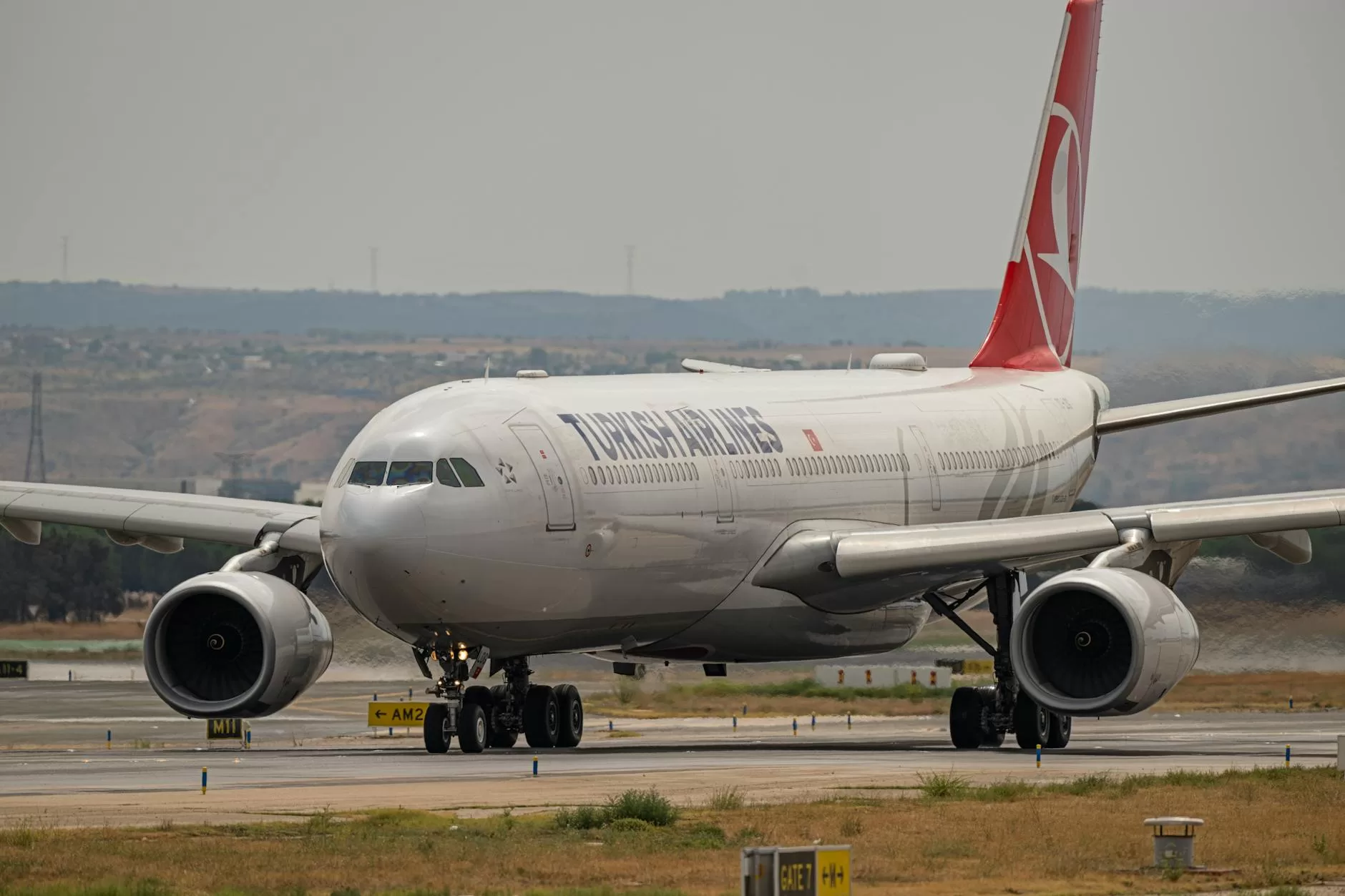
The impact of these changes is being felt most prominently on long-haul routes connecting Europe and Asia, where carriers like Turkish Airlines and Thai Airways have adjusted their schedules to bypass restricted zones. Despite the challenges of soaring aviation fuel costs, the global travel community is seeing a robust response from nations like France and the United Kingdom, where airlines are prioritizing the stabilization of alternative routes. This period of change underscores the incredible adaptability of the modern aviation sector and the importance of international cooperation in maintaining a reliable global transport network.
While travelers may face higher surcharges and some scheduling uncertainty in the short term, the proactive measures taken by governments and airlines are designed to protect the long-term health of the industry. Strategic planning and infrastructure investment remain at the forefront of the conversation as the world’s leading aviation markets coordinate their efforts. This collaborative approach ensures that even during times of geopolitical complexity, the spirit of exploration and global connection continues to thrive. As the industry recalibrates, passengers can look forward to a more robust and geographically diverse network of flight paths that reinforce the strength of international air travel.