
- Unique Early Morning Window: The Arietids offer a rare daytime meteor display that peaks in the eastern sky specifically during a brief 45 to 60 minute window just before sunrise.
- Horizontal Sky Skimmers: Because the shower radiant point rests low on the horizon, these meteors appear to shoot straight upward or glide horizontally across the atmosphere.
- Audio Meteor Tracking Technology: Science enthusiasts can use a basic FM radio tuned to a distant station to hear short bursts of audio bounced off ionized meteor trails.
- Naked Eye Observation Priority: Optical equipment like binoculars or telescopes should be put away for this event due to safety hazards associated with the impending sunrise.
The field of amateur astronomy is experiencing an incredibly exciting week as skywatchers prepare for the annual peak of the Arietids, one of the most prolific and unique daytime meteor showers of the year. While the vast majority of shooting star displays require staying up past midnight in total darkness, this rare celestial event offers a wonderful twist by peaking in the early morning dawn sky. This gives early risers and morning commuters a magnificent opportunity to witness space debris colliding with the upper atmosphere without disrupting their typical sleep schedules.
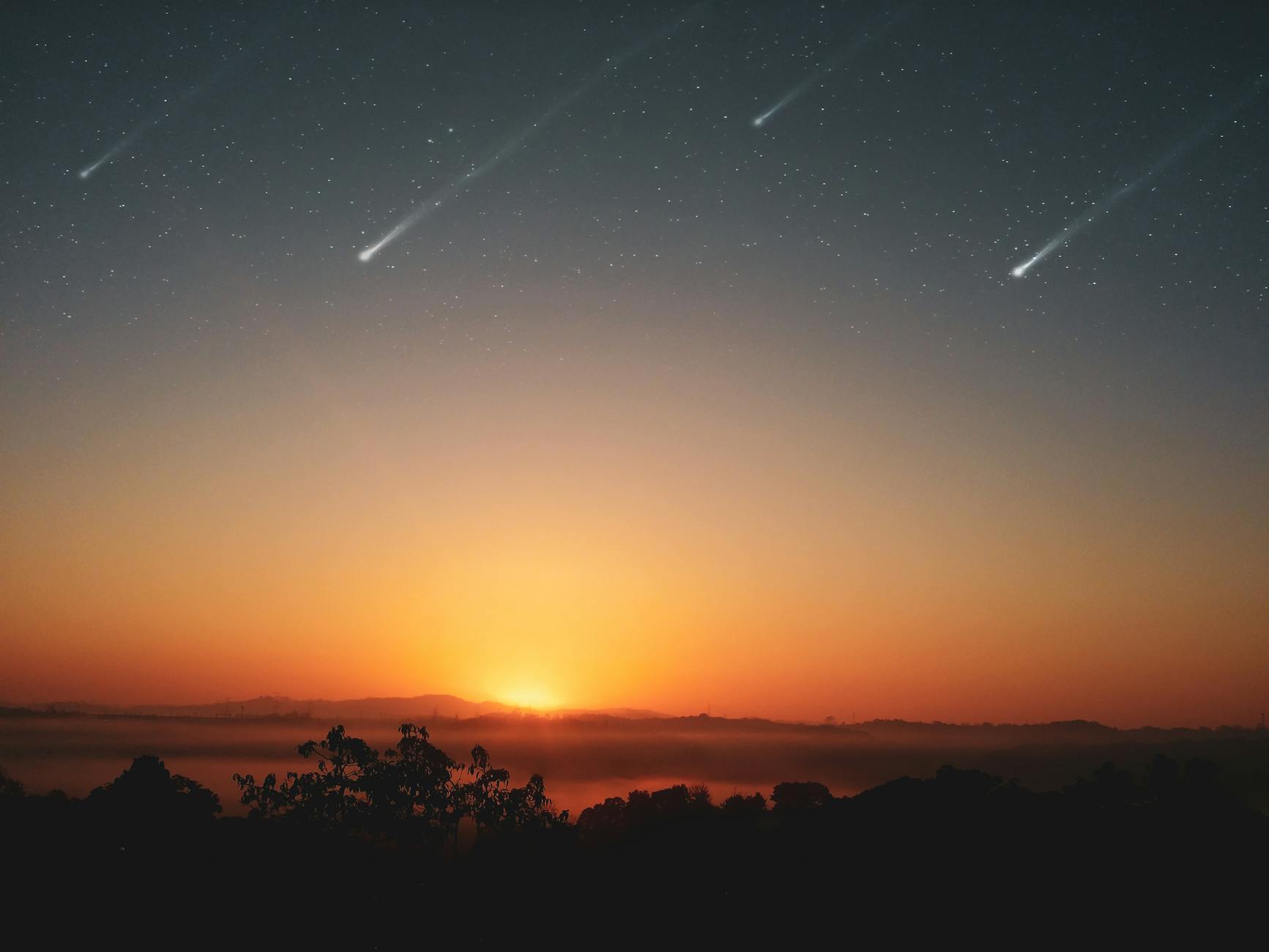
Because the sun naturally washes out most daytime cosmic activity, successfully observing the Arietids requires a slightly different approach than a traditional midnight meteor hunt. The premier viewing window is exceptionally narrow, opening for just 45 to 60 minutes immediately before sunrise. Eager stargazers should direct their attention toward the eastern horizon right as the first soft hint of twilight begins to touch the sky. Because the radiant point hugs the horizon, the meteors create a spectacular visual display by appearing to shoot straight up into the dark sky or skimming horizontally across the topmost layers of the atmosphere.
For tech-minded enthusiasts looking to push the boundaries of traditional stargazing, this unique event also serves as a perfect playground for basic radio astronomy. Instead of relying solely on your eyes, you can actually listen to the shooting stars pass overhead using a standard FM radio receiver and an old antenna. When a space rock vaporizes, it leaves a temporary mirror of ionized gas that bounces distant radio signals right into your receiver. Tuning into a distant, silent frequency allows you to hear eerie bursts of music or voice breaking through the static each time a meteor streaks by, guaranteeing a deeply rewarding and multi-sensory science experience.