
- Rethinking Traditional Homeownership: Evolving lifestyle priorities, elevated home prices, and interest rates are inspiring buyers to move away from rigid, long-term mortgages.
- Financial and Personal Flexibility: Alternative models significantly minimize monthly overhead expenses and structural maintenance responsibilities, leaving more room for lifestyle maneuvering and freedom.
- Fading Social Stigmas: Due to major upgrades in modern community planning, safety, and overall design quality, tiny spaces and mobile home parks are widely recognized as intentional, mainstream choices.
- Shifting Local Development Patterns: Policymakers and regional developers are prioritizing diverse housing options to successfully adapt to changing consumer demand and income levels
The American housing model is undergoing an incredibly positive and dynamic transformation as a growing number of people embrace creative alternatives to traditional homeownership. Driven by rising home prices and higher interest rates, buyers and renters alike are discovering that the conventional path of long-term mortgages is no longer the only way to achieve stability and comfort. Instead, individuals are proactively exploring highly practical and rewarding paths like downsized living, mobile home communities, and modern RV parks to design a lifestyle that perfectly aligns with their personal goals.
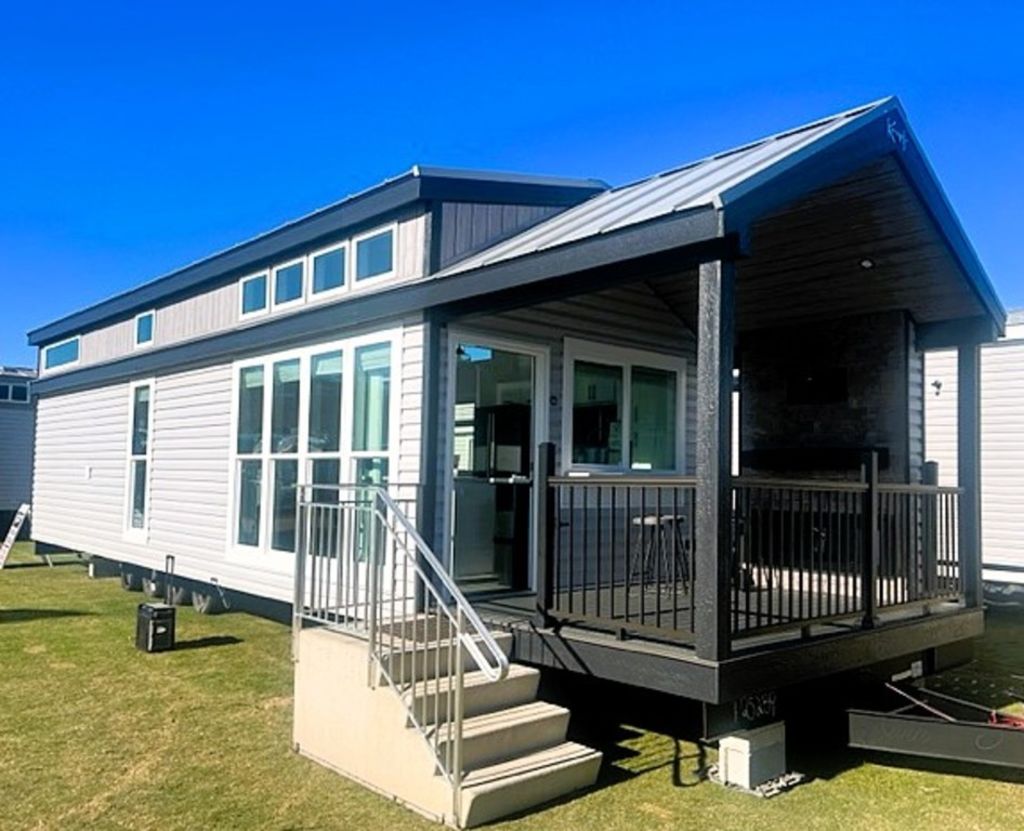
This lifestyle evolution is largely fueled by a desire for financial freedom, flexibility, and minimal maintenance. Evolving housing arrangements allow residents to easily adapt to changing economic climates, reducing heavy overhead costs while keeping their freedom intact. Rather than viewing these spaces as a last resort, modern consumers are making a deliberate, strategic choice to opt for streamlined living. Thanks to thoughtful neighborhood infrastructure, advanced design, and an increased focus on resident safety and community experience, these alternative living models are rapidly stepping into the mainstream spotlight.
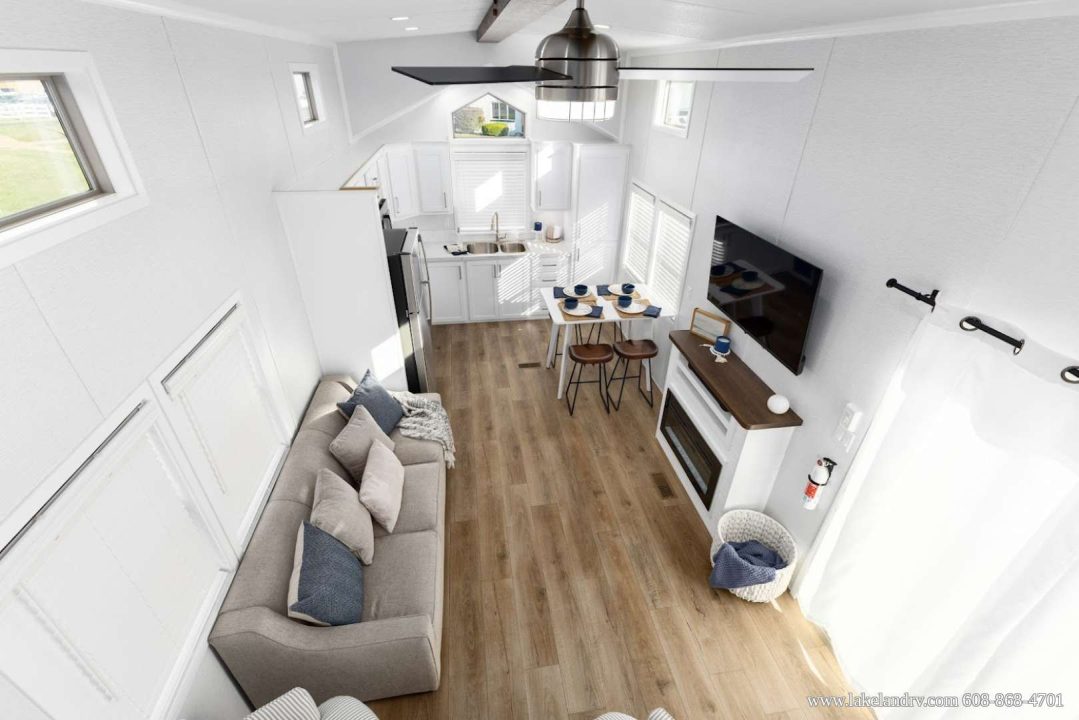
As public perceptions continue to shift beautifully, neighborhoods are experiencing the wonderful benefits of expanded housing diversity. Local developers and policy planning groups are taking note, dedicating more attention to versatile development strategies that cater to diverse income tiers and modern priorities. Ultimately, this trend is expanding the definition of what it truly means to feel at home. By prioritizing personal quality of life and sustainability over square footage, Americans are unlocking an exciting, accessible world of flexible living arrangements that support exactly how they want to experience today’s world.