
- Shift To Commercial Timelines: The primary challenges facing modern marine nuclear integration have officially moved from technical engineering hurdles to regulatory, political, and financial frameworks.
- Tailored Generation IV Reactors: Researchers are utilizing localized small modular designs, picking specific reactor styles like molten salt or gas-cooled systems to match diverse ship types.
- Passive Safety Innovations: Next-generation maritime vessels utilize built-in safety features and ceramic-coated TRISO fuel elements that safely prevent containment issues without requiring manual backup power.
- Targeted Prototype Launches: The collaborative Norwegian research framework aims to deploy its first operational commercial prototype cargo vessels out on the water by 2035
The global shipping industry is standing on the brink of a historic transformation as nuclear propulsion transitions from ambitious theory into a practical commercial timeline. Long regarded as a distant vision for eco-friendly transit, this advanced technology is rapidly gaining momentum. Jan Emblemsvåg, a distinguished professor at the Norwegian University of Science and Technology, highlights that the traditional barriers preventing clean maritime energy are no longer engineering limits. Instead, the focus has proudly shifted toward establishing modern international frameworks and commercial pathways.
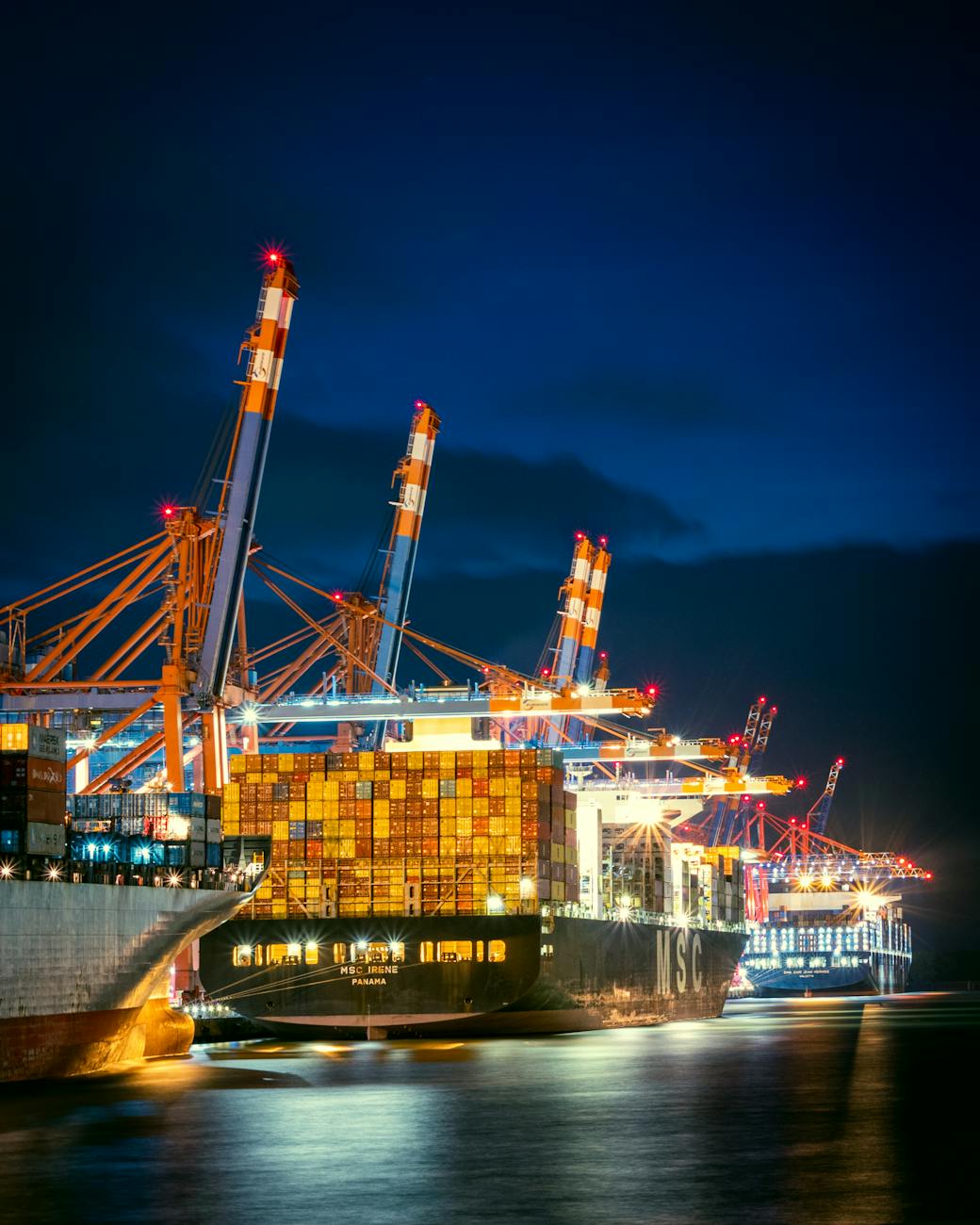
This progress is driven by innovative research initiatives such as the NuProShip II project, which brings together top marine engineers, operators, and classification societies. This collaborative effort has successfully identified three advanced Generation IV small modular reactor concepts tailored for ocean travel, including Molten Salt Reactors for massive cargo transport and High-temperature Gas-cooled Reactors for precise engine-like performance. Rather than using the high-pressure light water systems of the past, modern concepts boast passive safety designs, meaning the systems naturally stabilize or completely shut down without any external human intervention during an anomaly.
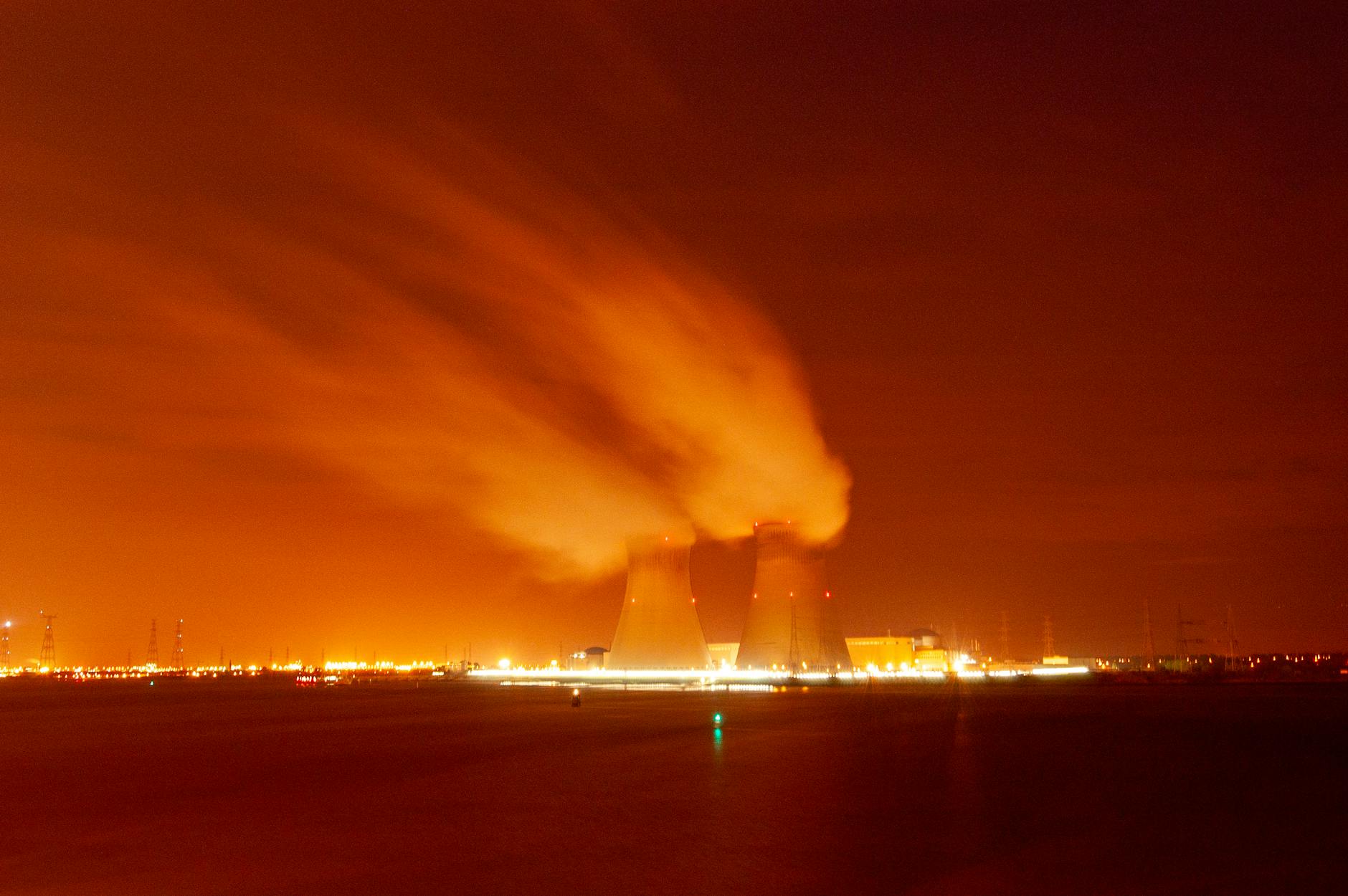
Equally impressive is the use of robust TRISO fuel, featuring uranium particles encased in protective ceramic layers that act as their own containment shields. With several exciting demonstration vessels currently in active development, including an offshore construction vehicle and a nuclear-powered liquefied natural gas tanker, the path to zero-emission shipping is clearer than ever. The targeted goal is to have the first commercial prototype vessels cruising the oceans by 2035, promising a remarkably sustainable, high-efficiency future that gracefully protects our global marine environments.