
- New Per Passenger Fee: Norwegian municipalities are authorized to levy a cruise tax of 100 kroner per passenger for every 24-hour stay in port.
- Strict Spending Protection: Revenue generated from the new visitor contributions must be used solely to improve local tourism infrastructure like paths, waste disposal, and restrooms.
- Accommodation Tax Surcharge: A separate three percent tax on hotels and vacation rentals takes effect in July 2026 to further support high-volume tourist zones.
- Sustainable Destination Management: The legislative updates aim to balance successful economic tourism with local quality of life and resource conservation across popular ports
The global cruise industry is experiencing a notable shift as popular international destinations implement strategic new fiscal policies to balance thriving tourism with community preservation. A primary focus of this movement is Norway, which has officially announced a new localized cruise tax set at 100 kroner per passenger for each 24-hour period a ship spends in port or for guests brought ashore. This targeted measure is designed to provide critical financial support to busy coastal municipalities managing high visitor volumes.
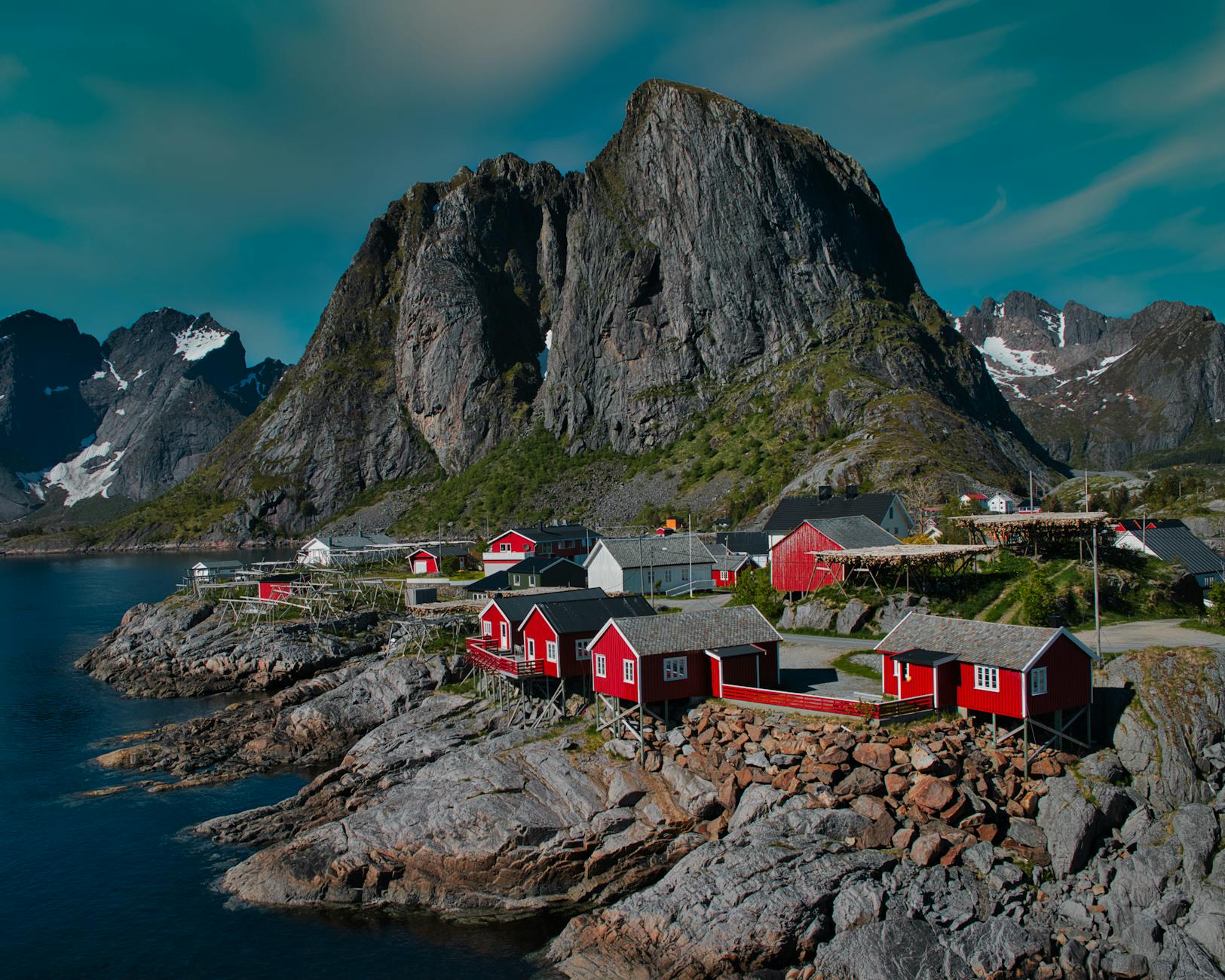
Following the passage of the landmark visitor contribution law, the innovative framework allows local Norwegian municipalities to implement these per-passenger fees starting January 1, 2027, provided they submit a structured spending plan. The revenue generated from these contributions is strictly protected and must be utilized exclusively for tourism-related needs. Key infrastructure projects will include the maintenance of hiking paths, public restrooms, waste disposal facilities, and updated visitor information centers to ensure an excellent destination experience.
In tandem with the direct cruise line fees, Norway is introducing a three percent transient accommodation tax beginning July 1, 2026, which will apply to traditional hotel and vacation rental stays while exempting camping enthusiasts. Government leaders are highly encouraging busy ports to begin immediate preparations to adopt these measures, viewing them as vital tools to protect local quality of life and fund climate-resilient infrastructure. By establishing a transparent framework where travelers contribute directly to the upkeep of the beautiful environments they visit, Norway is paving the way for a more sustainable, welcoming, and balanced future for European cruise tourism.