
- New Airspace Restrictions: The legislation establishes restricted low-altitude airspace under 400 feet directly over critical federal seaport boundaries to prevent unauthorized drone flights.
- Bipartisan Congressional Leadership: Florida Representatives Jimmy Patronis and Mike Haridopolos are leading the legislative push to secure America’s maritime borders and protect supply chains.
- High Volume of Incursions: Port Canaveral documented over 500 rogue drone flights in 2025, highlighting the urgent need for uniform detection laws near cruise terminals and military zones.
- Federal Agency Collaboration: The bill integrates advanced mitigation technology by coordinating safety protocols directly with the Federal Aviation Administration and the Department of Homeland Security
American maritime infrastructure is receiving a sophisticated security upgrade as federal lawmakers step forward to protect the nation’s busy coastlines. According to a major legislative press release issued, Florida Representatives Jimmy Patronis and Mike Haridopolos have officially introduced H.R. 9229, also known as the Seaport Security Act of 2026. This forward-thinking bipartisan legislation establishes a clear, uniform federal framework designed to safeguard critical port environments from unauthorized unmanned aircraft systems while keeping the skies open for legitimate commercial, governmental, and emergency drone operations.
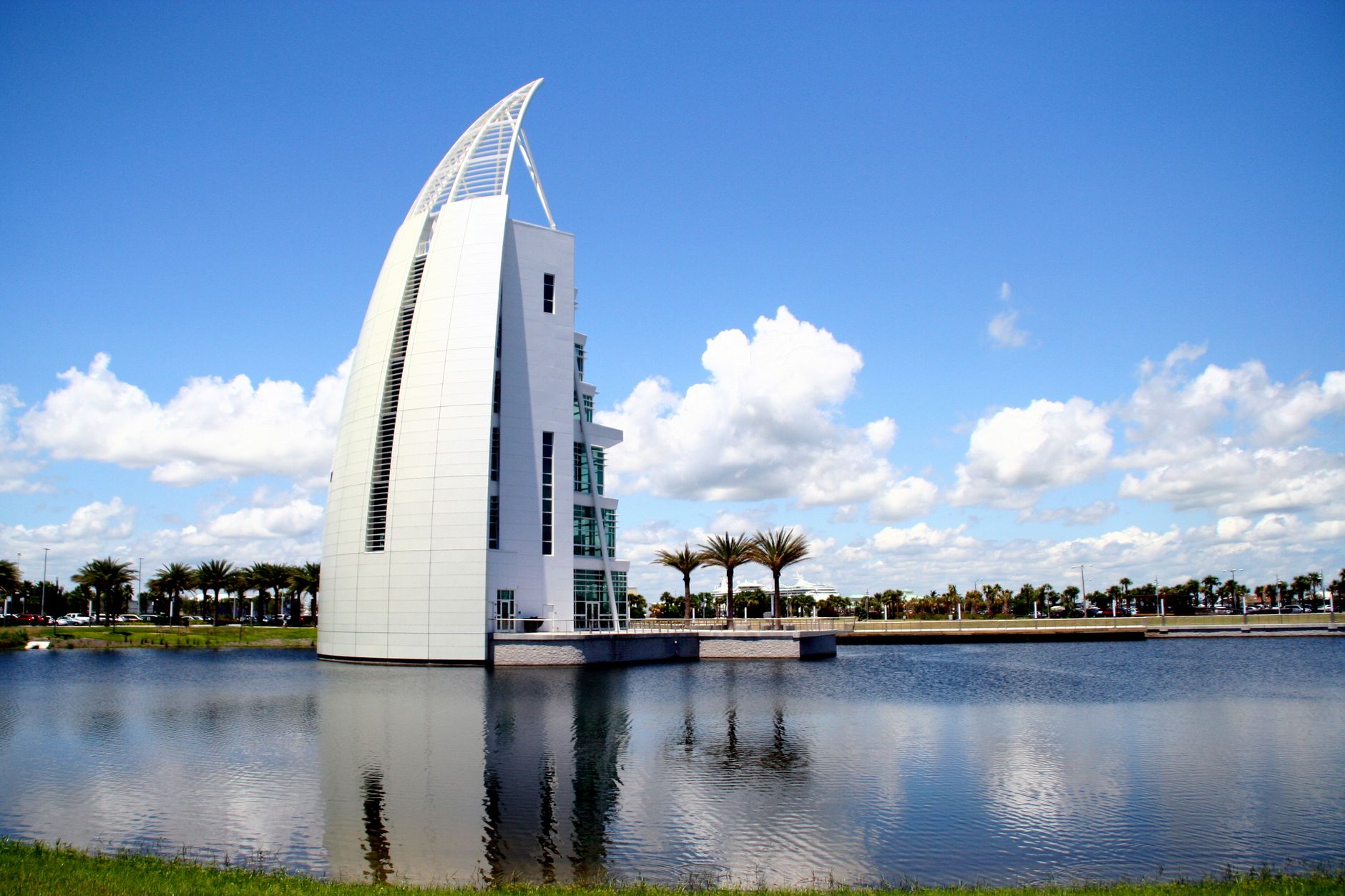
The introduction of this bill addresses a rapidly growing logistical challenge for major shipping hubs and cruise vacation capitals. In 2025 alone, Port Canaveral recorded more than 500 unauthorized drone incursions over sensitive aerospace operations, military cargo zones, and busy passenger cruise terminals. By creating controlled low-altitude airspace restrictions below 400 feet over vital maritime facilities, the bill provides port authorities with the advanced tools they need to maintain continuous safety. The initiative has earned widespread praise from prominent maritime leaders at JAXPORT, the Port of Pensacola, and the Florida Ports Council.
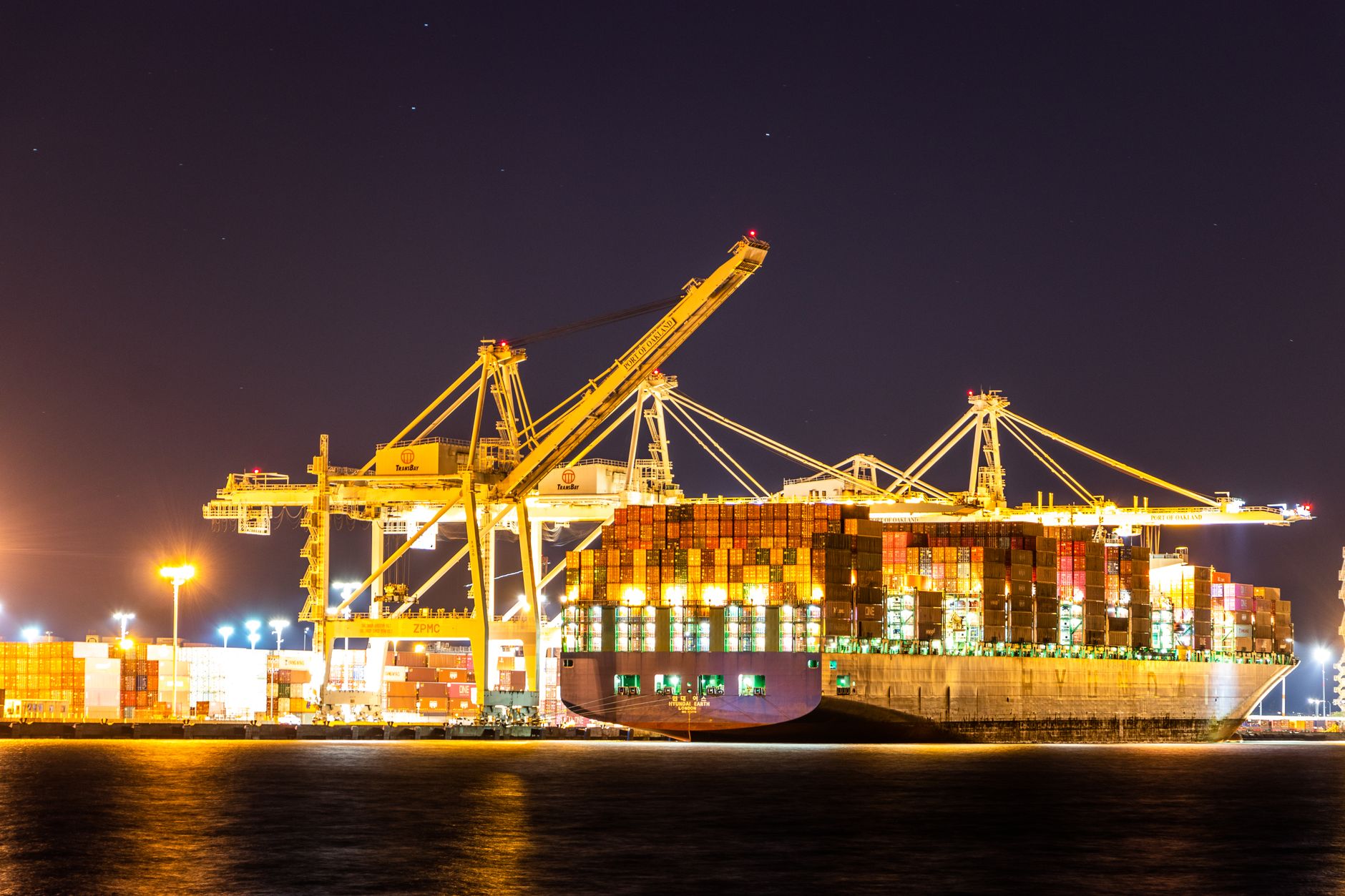
Through close coordination with the Federal Aviation Administration and the Department of Homeland Security, the Seaport Security Act of 2026 deploys layered drone detection and mitigation technologies. This proactive approach ensures that supply chains remain resilient, national defense assets stay secure, and millions of vacationing cruise passengers can travel with peace of mind. By modernizing low-altitude airspace oversight, federal lawmakers are successfully closing traditional regulatory gaps, establishing a safer environment for global trade, and paving the way for a more secure and efficient maritime industry.