
- The Andes strain of hantavirus is unique because it allows for rare human-to-human transmission through very close contact,
- The outbreak occurred on the MV Hondius cruise ship, which originated in Argentina and carried passengers across the South Atlantic,
- A coordinated international medical response resulted in evacuations off the coast of Cape Verde before the ship headed to the Canary Islands,
- Global health organizations stress that the threat to the general public remains exceptionally low and that this is not a pandemic-level threat.
The global health and travel communities are closely monitoring a highly unusual medical event aboard the MV Hondius, a luxury polar cruise ship that recently became the center of an international health coordinated response. Departing from Ushuaia, Argentina, in late March, the ship embarked on an ambitious itinerary across the South Atlantic before an outbreak of the hantavirus severely altered its course. What makes this situation exceptionally rare is the specific pathogen involved. Medical authorities, including the World Health Organization and health officials in South Africa, identified the outbreak as being caused by the Andes strain of the hantavirus. Unlike most hantaviruses, which are exclusively contracted through contact with infected rodents or their droppings, the Andes strain is the only known variant capable of human-to-human transmission, albeit typically requiring very close physical contact.
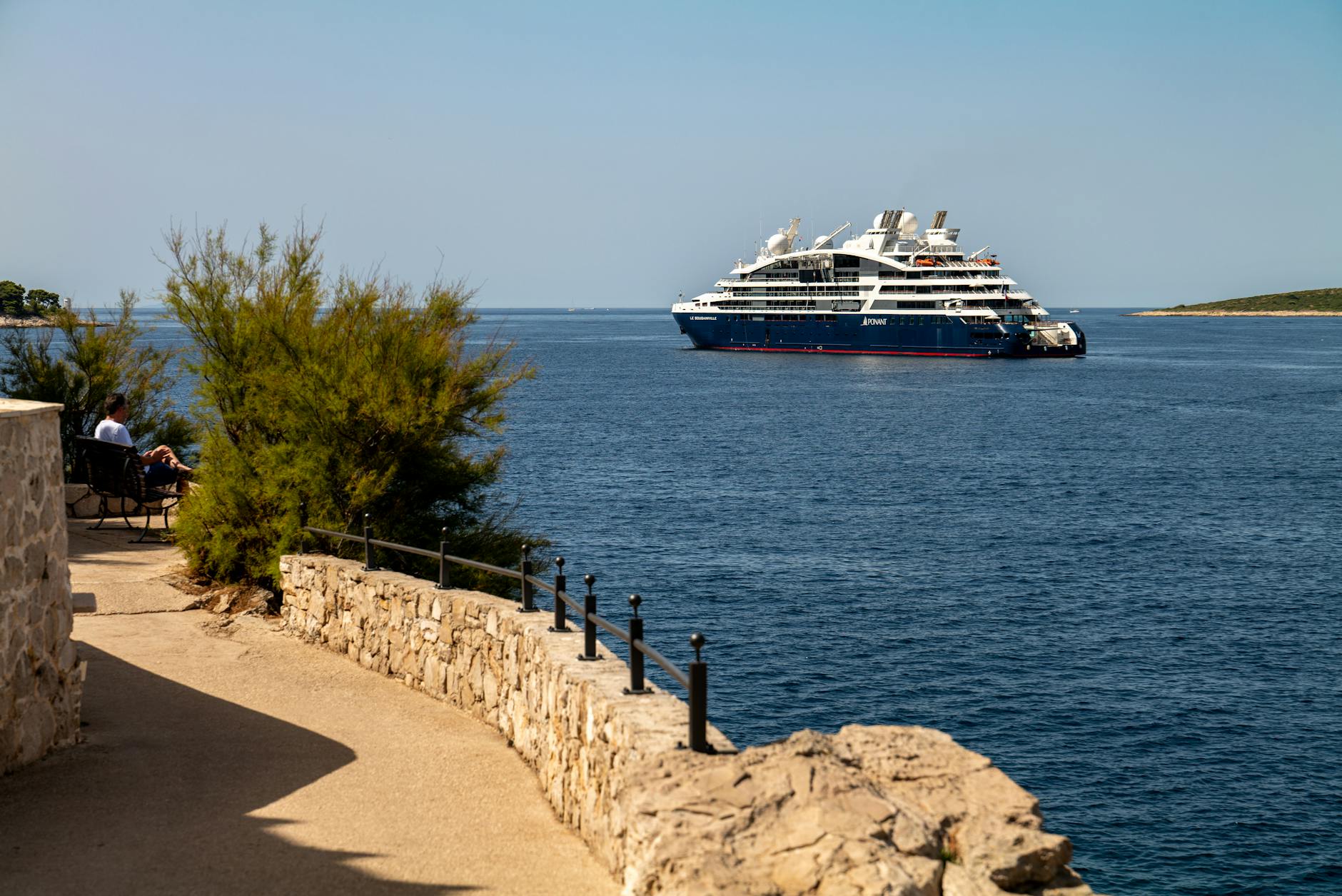
The incident first gained widespread attention when passengers began falling ill early in the voyage. To date, several cases have been confirmed, resulting in three tragic fatalities and prompting urgent medical evacuations. The ship, carrying nearly 150 passengers and crew members from various nationalities, found itself temporarily stranded off the coast of Cape Verde. Authorities in the West African nation did not permit the passengers to disembark, leading to a complex logistical challenge for international health organizations. Consequently, a highly coordinated medical evacuation was executed by health workers in protective gear, airlifting three significantly affected individuals, including the ship’s doctor, to specialized medical facilities in Europe. This operation required immense international cooperation to ensure the safety of all involved parties.

Following these evacuations, the MV Hondius was cleared to sail toward the Canary Islands in Spain. Spanish health authorities agreed to accept the vessel, ensuring that the remaining passengers and crew, who currently show no symptoms, will be safely quarantined, examined, and eventually repatriated. Health officials have emphasized that the situation is being managed with strict infection control measures, meaning the arrival of the ship poses no significant risk to the local population in the Canary Islands.

While the phrase human-to-human transmission often raises immediate alarms, leading epidemic experts at the WHO have firmly stated that this outbreak is not the precursor to a new pandemic. The hantavirus does not spread easily like respiratory viruses such as COVID-19 or influenza. Instead, the current leading hypothesis suggests the initial exposure likely occurred before the passengers even boarded the ship, potentially during a shore excursion in Argentina. Furthermore, health authorities across Europe, South Africa, and the United Kingdom have initiated extensive contact tracing for passengers who disembarked earlier in the voyage, ensuring that anyone potentially exposed is monitored carefully. As the MV Hondius concludes its unexpectedly challenging journey, this event serves as a profound reminder of the complexities of maritime health and the effectiveness of rapid, international public health collaboration.