
Important Topics To Know
- The strategic shift toward targeting water desalination and energy infrastructure creates significant humanitarian and economic risks for regional and global markets.
- Major industrial nations like Germany and China are recalibrating their manufacturing and energy sourcing to manage rising production costs and supply chain delays.
- The tourism and aviation sectors are facing increased pressure from fluctuating fuel prices and the need for more complex travel route planning.
- Diplomatic efforts are focused on achieving long-term security guarantees to provide a stable foundation for future global economic growth.
The current global economic landscape is undergoing a period of significant reassessment as multiple nations navigate the complexities of evolving geopolitical tensions in the Middle East. As of March 24, 2026, the international community is observing a series of events that have direct implications for energy security, industrial stability, and the global tourism sector. This strategic analysis examines the multifaceted impact of these developments on major economies including Germany, the United States, the United Kingdom, China, and others, focusing on the shift toward asymmetric infrastructure challenges and the subsequent economic recalibrations required.

The Strategy of Infrastructure Disruption
A primary development in the current conflict is the transition toward asymmetric strategies targeting critical civilian lifelines, specifically water and energy systems. Following the formal rejection of recent ceasefire proposals, strategic posture has shifted toward the targeting of desalination plants and IT networks across the Gulf. This is a significant escalation because desalination infrastructure underpins up to 90% of the drinking water supply for nations such as Kuwait, the UAE, Saudi Arabia, and Israel. Unlike traditional military targets, the disruption of water security creates immediate humanitarian and industrial pressure.
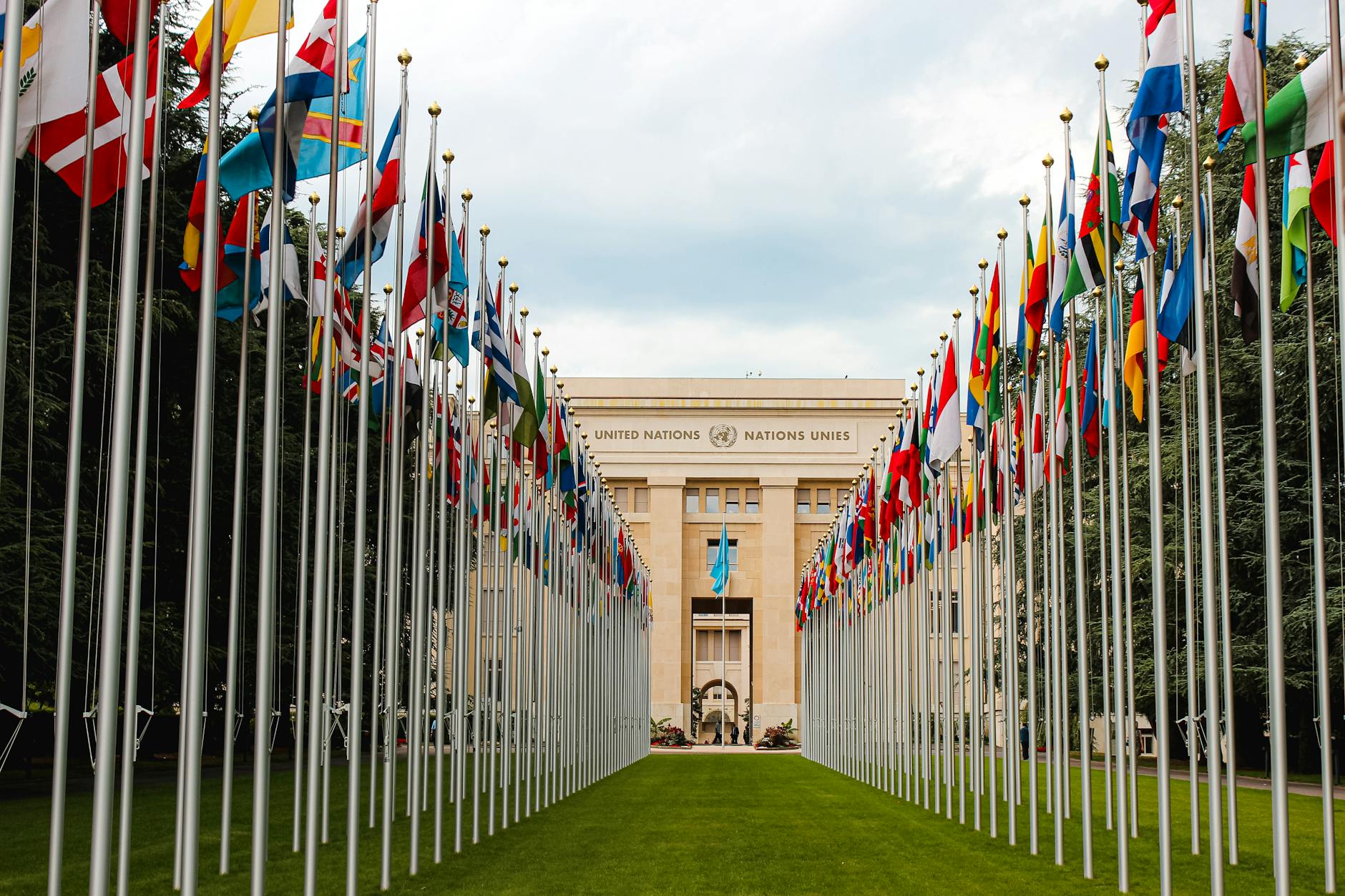
Analysts note that this focus exploits a systemic regional vulnerability. While many Gulf nations are heavily dependent on these facilities for survival, other regional actors remain relatively insulated from similar risks. This disparity allows for a strategy of deterrence through disruption, aimed at imposing economic paralysis without necessarily escalating to conventional or nuclear warfare. Recent reports from the United Nations have already flagged the imminent risks associated with these tactics, highlighting the potential for urban disruption and industrial shutdowns.
Diplomatic Standoff and War Doctrine
The diplomatic situation remains complex, as the rejection of a ceasefire is being framed not as a temporary pause, but as a long-term doctrine. The insistence on irreversible security guarantees has created a standoff with international mediators. There is a clear demand for definitive ends to hostilities that prevent future re-engagements, rather than symbolic pauses that allow for tactical resetting. This hardened stance underscores a belief in current operational leverage and a willingness to sustain long-term resistance to achieve specific geopolitical objectives.
Despite various diplomatic messages suggesting windows of de-escalation, active hostilities have persisted. Reports of missile and drone interceptions continue across the region, affecting air defense systems and civilian infrastructure. This environment of sustained engagement creates a fragile situation for international aviation and the recovery of the tourism industry, as regional airspaces remain on constant alert.

Impact on Western Industrial Economies
Germany, as Europe’s industrial backbone, is facing renewed pressure on its manufacturing sectors. The highly industrial nature of the German economy makes it particularly sensitive to energy shocks. Rising costs for Liquified Natural Gas (LNG) and broader supply chain disruptions are increasing production expenses for the chemical, automotive, and manufacturing industries. Consequently, GDP forecasts have been adjusted to reflect potential stagnation, and the European Central Bank is closely monitoring inflation levels.
In the United Kingdom, the primary concern lies in the transmission of wholesale energy price spikes directly to household costs. The UK’s reliance on LNG imports and limited storage capacity makes it vulnerable to disruptions in Middle Eastern supplies. This has led to projected increases in energy bills and cascading costs across the transport and logistics sectors, intensifying cost-of-living challenges.
The United States, while possessing a degree of energy independence, is not immune to these global shifts. Rising fuel costs are influencing inflation and transport expenses, affecting the pricing of consumer goods. The Federal Reserve is currently tasked with balancing inflation control against the risk of an economic slowdown. Furthermore, supply chain disruptions through critical maritime corridors like the Strait of Hormuz are leading to delays in retail markets and increased shipping costs.
Asian Market Recalibrations
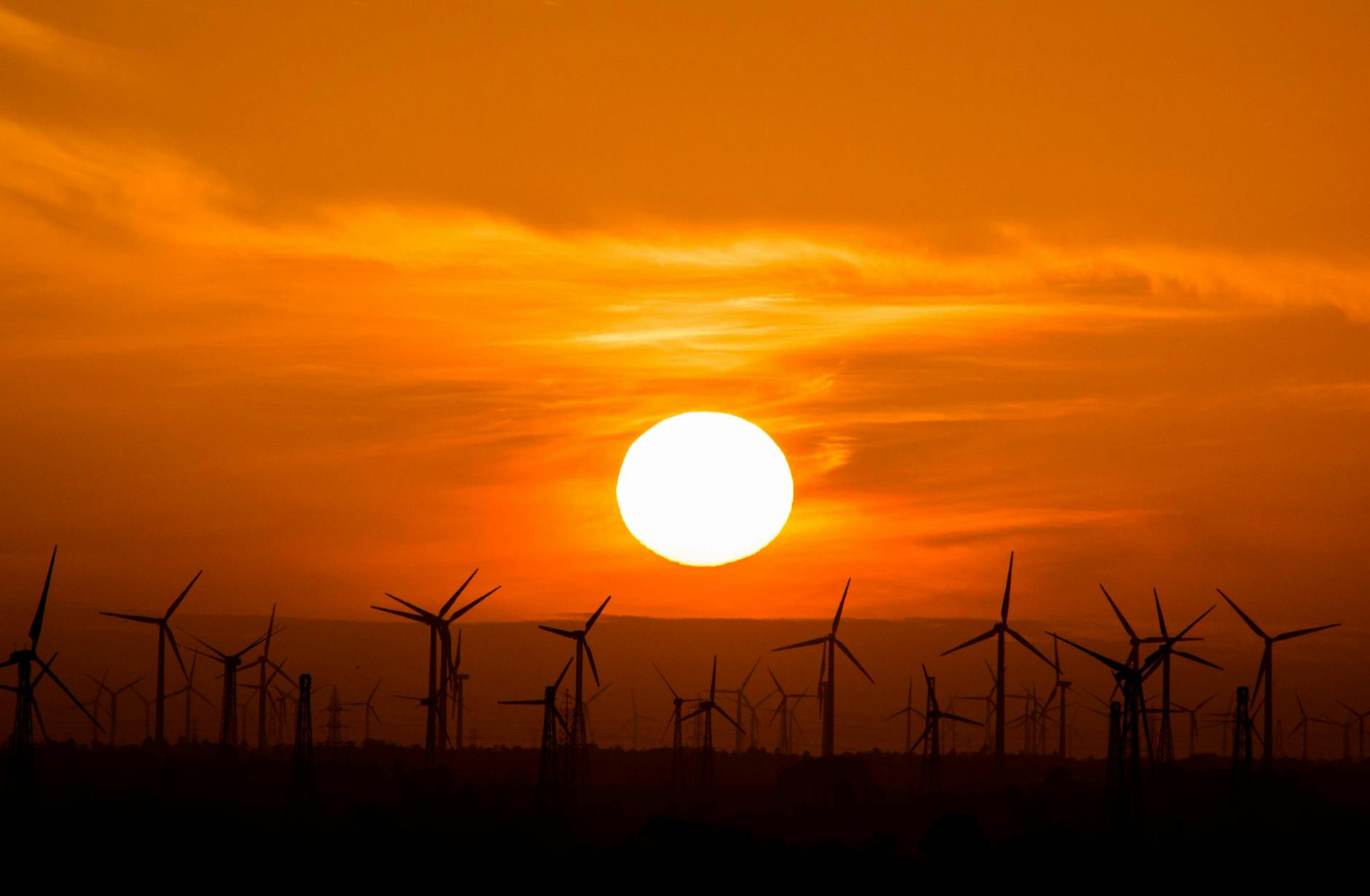
China is navigating a significant energy shock due to reduced access to regional crude supplies. This has led to increased input costs for its vast manufacturing sector, potentially affecting export competitiveness. Trade routes critical to the Belt and Road Initiative are also facing disruptions. However, China is utilizing its large strategic reserves and diversified sourcing to manage these short-term shocks while accelerating its transition to renewable energy.
Thailand’s economy is particularly exposed due to its dual dependency on oil imports and tourism. The rising cost of crude has increased the national import bill, while the tourism sector is seeing a decline in arrivals. Higher airfares and regional instability are driving travelers away, which is a significant challenge for a nation where tourism is a primary revenue source.
India is also experiencing multi-layered disruption. Heavy dependence on imported oil is driving inflation in transport and food sectors, which in turn affects the value of the rupee. A critical area of concern for India is the potential risk to remittances from workers based in the Gulf. Any large-scale return of these workers could strain the domestic employment market and social systems.

The Global Outlook for Tourism and Shipping
The combined impact of these events is creating a challenging environment for global tourism, aviation, and shipping. The potential closure of key maritime straits, such as Bab el-Mandeb and Hormuz, could disrupt a significant portion of the world’s seaborne oil and LNG routes. This leads to sharp increases in freight costs and forces the rerouting of cargo and cruise ships.
For the travel industry, the instability leads to higher operational costs and reduced consumer confidence. However, the industry is also seeing a shift toward more resilient and localized travel patterns. As the global economy continues to adapt to these systemic shocks, the focus remains on enhancing infrastructure security, diversifying energy portfolios, and fostering international cooperation to ensure long-term stability.