
- Global Rise of Electronic Travel Authorizations: Nations worldwide are implementing mandatory pre-travel digital screenings to enhance border security and significantly decrease airport queue times.
- Convenient Online Visa Digitalization: The steady global transition to e-visas allows travelers to obtain official documentation quickly without visiting physical embassies or sending physical passports.
- Contactless Biometric Terminal Processing: Advanced facial recognition and automated screening gates are creating a faster, paperless, and more hygienic experience at international ports of entry.
- Specialized Remote Work Visas: An increasing number of countries are introducing flexible residency options designed specifically to attract digital nomads and long-term remote professionals.
The world of international travel is experiencing a highly positive and technologically advanced transformation. As global borders adapt to modern demands, five key trends are fundamentally reshaping how adventurers and business professionals cross international borders. This digital evolution is replacing tedious paperwork with streamlined, smart solutions, making world exploration smoother and more secure for every traveler.
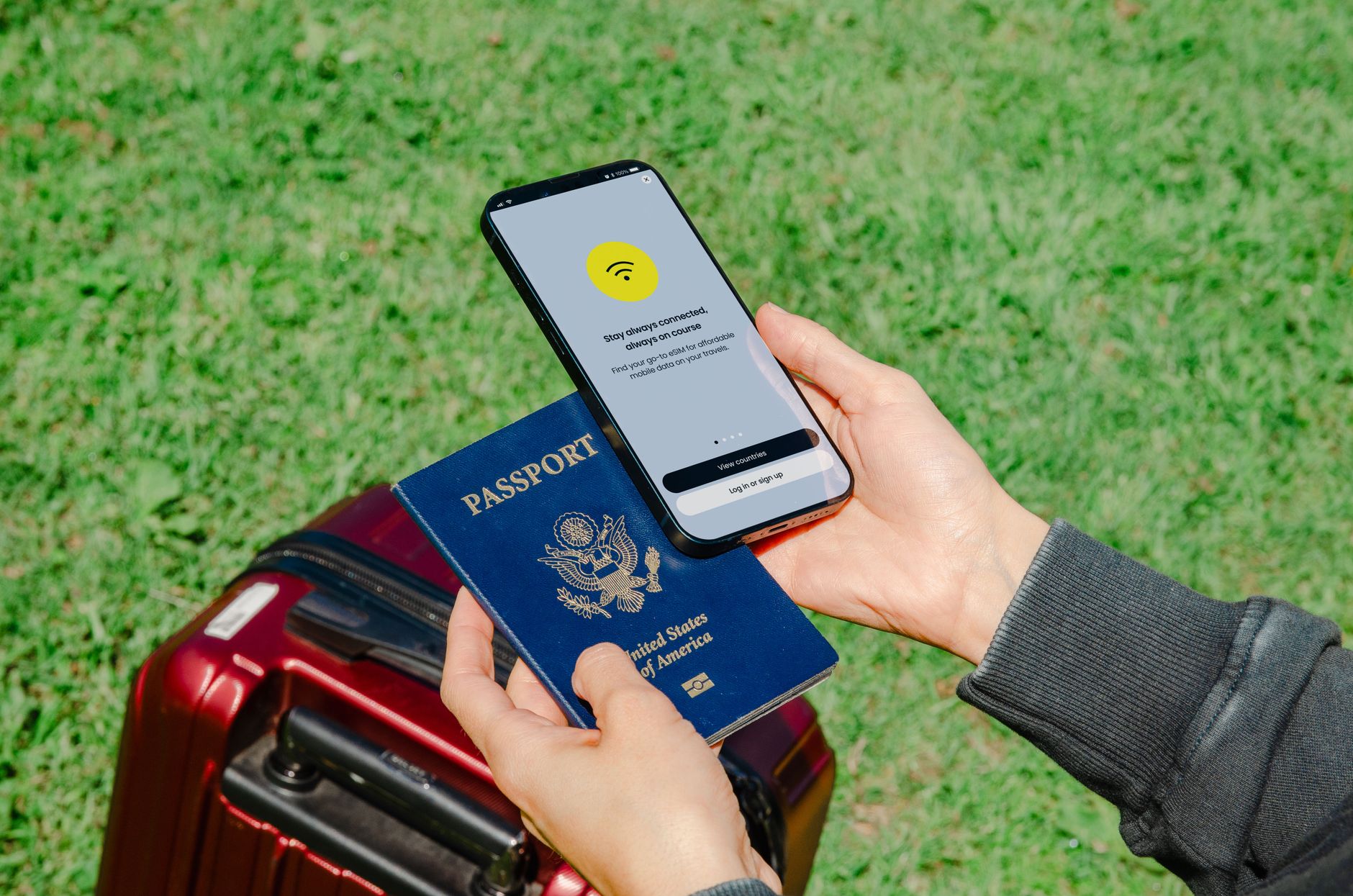
The first major shift is the widespread adoption of Electronic Travel Authorizations, commonly known as ETAs. From Europe’s upcoming digital entry protocols to similar programs in the United Kingdom and Australia, these pre-travel screening programs ensure rapid, hassle-free clearance at border terminals. Alongside ETAs, the rapid transition to digital visas and e-visas allows travelers to secure official entry permits online from the comfort of their homes, bypassing traditional, time-consuming consulate visits entirely.
Furthermore, the integration of biometric technology, including contactless facial recognition and automated border gates, is significantly reducing wait times at major global transit hubs. Shifting regulatory frameworks are also introducing specialized visas for digital nomads and remote professionals, opening up flexible opportunities to live and work from spectacular locations worldwide. Finally, corporate travel sectors are increasingly prioritizing sustainable, transparent logistics, aligning business itineraries with eco-friendly values. By embracing these innovative updates, global citizens can look forward to a highly efficient, exciting, and deeply rewarding era of international discovery.