
- Advanced Propulsion and Energy Recovery: Ships like Amangati feature hybrid battery-electric systems, methanol dual-fuel engines, and exhaust gas economizers to maximize operational energy efficiency.
- Smart Automated Climate Systems: Automated HVAC systems monitor CO2 levels and occupancy to adjust cooling, while automated shades reduce solar heat in guest suites.
- Innovative Solar Glass Technology: Photovoltaic film integrated into ship windows, railings, and skylights captures direct and reflected sunlight to generate clean electricity at sea.
- Lightweight Decking for Weight Reduction: Sustainable refurbishments, such as lightweight deck materials, lower overall ship weight to save fuel during voyages
Modern cruise ship architecture is undergoing a remarkable sustainability transformation as shipbuilders and cruise lines integrate eco-friendly technologies, smart materials, and energy-efficient systems from bow to stern. As highlighted by maritime leaders at Seatrade Cruise Global 2026, designing sustainable cruise ships requires a holistic approach that seamlessly unites alternative propulsion, automated climate control, solar glass, and lightweight decking.
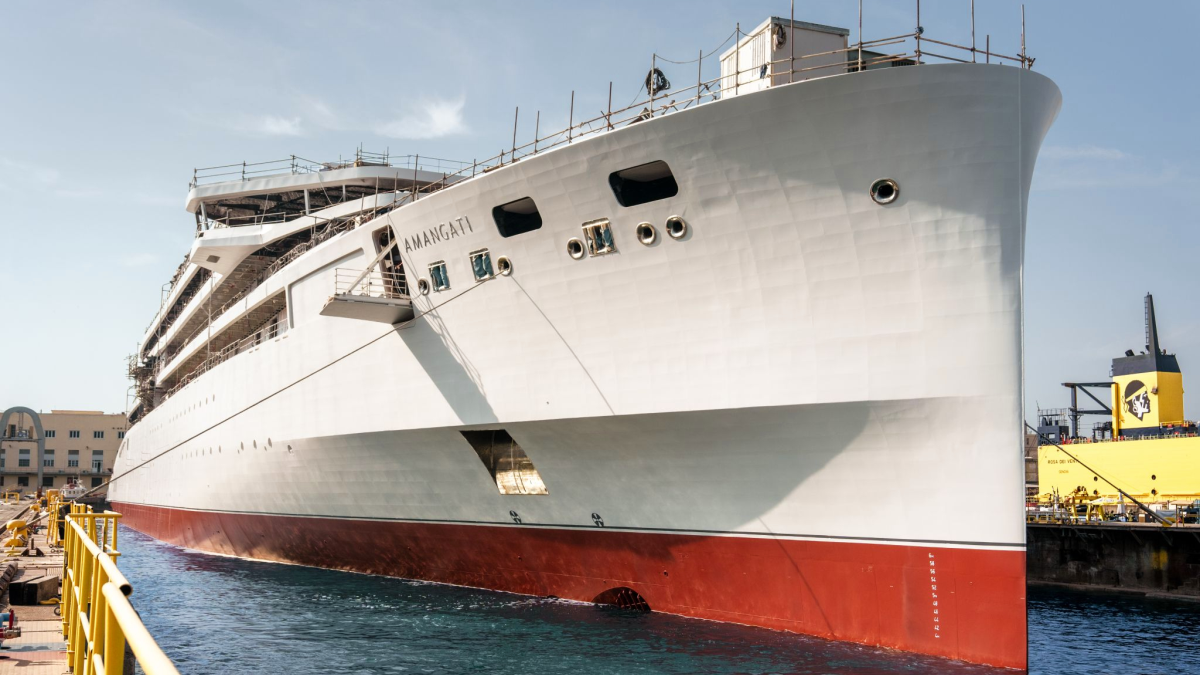
A standout example of this forward-thinking evolution is Aman at Sea’s ultra-luxury yacht, Amangati, constructed by T. Mariotti. The vessel incorporates hybrid battery-electric propulsion, dual-fuel methanol engines, and exhaust gas economizers that recover engine heat. To minimize energy consumption without sacrificing passenger comfort, automated climate control systems continuously regulate cooling based on real-time CO2 levels, occupancy, and pre-set temperature ranges. In guest suites, automated window shades lower when rooms are unoccupied, significantly reducing solar heat gain.
At the same time, architectural design is embracing expansive glass surfaces, as seen in Carnival’s new Ace-class ships, which feature 4.5 acres of glass to connect guests with ocean vistas. Emerging developments in solar glass embed thin photovoltaic films between glass panes, allowing balustrades, skylights, and windows to generate self-sufficient electricity from direct sunlight and sea reflections. Meanwhile, specialized deck refits, such as Bolidt’s lighter decking solutions for AIDA Cruises, reduce overall vessel weight to lower fuel requirements. Together, these top-to-bottom innovations demonstrate how the cruise industry is successfully merging luxury travel with eco-conscious engineering.