
- Living Culinary Continuity: As shared by the Imperial Hotel, Tokyo, the property differentiates itself by serving original, unaltered recipes created for historical dignitaries over the last century.
- The Viking Buffet Legacy: The hotel introduced Japan’s first buffet format in 1958, permanently shifting the national vocabulary by establishing the word Viking as a synonym for all-you-can-eat dining.
- Iconic Diplomatic Masterpieces: The menu features highly personalized dishes, including a delicate seafood gratin officially approved by Queen Elizabeth II and a steak tenderized specifically for opera star Feodor Chaliapin.
- Preserved Mixology History: The property still serves its original 1924 Mount Fuji welcome cocktail, utilizing a precise centenary recipe designed to visually represent a snow-capped mountain against the rising sun.
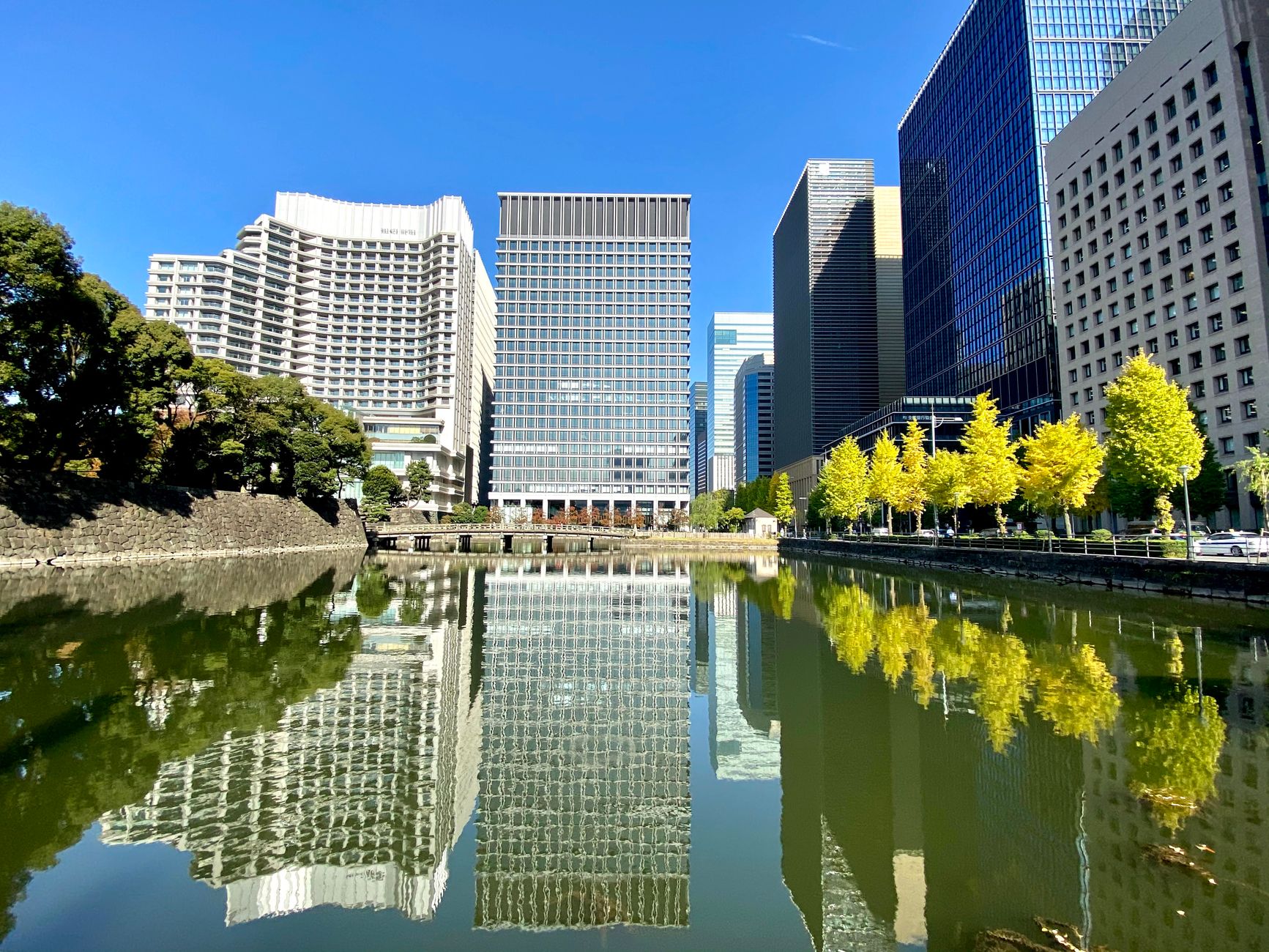
An elegant press release from the Imperial Hotel, Tokyo reveals a fascinating hospitality trend where living history is preserved through continuous culinary tradition. While many modern restaurants recreate the past through retro concepts, this prestigious institution has spent over 135 years serving the exact dishes created for historic figures and state occasions. Located near the Imperial Palace, the iconic property offers a delicious portal into global heritage, allowing guests to experience authentic history rather than a mere reinterpretation.
The hotel’s celebrated restaurant, the Imperial Viking Sal, serves as a central hub for this edible time travel. Originally launched in 1958 as Japan’s very first buffet, the restaurant revolutionized the domestic dining landscape by adapting the Scandinavian smorgasbord for local audiences. In fact, the term “Viking” became so deeply embedded in the local culture that it remains the standard Japanese word for all-you-can-eat dining. Today, the buffet features more than 50 expertly crafted dishes that blend French, Japanese, and Chinese influences, allowing guests to sample multiple historical eras in a single sitting.
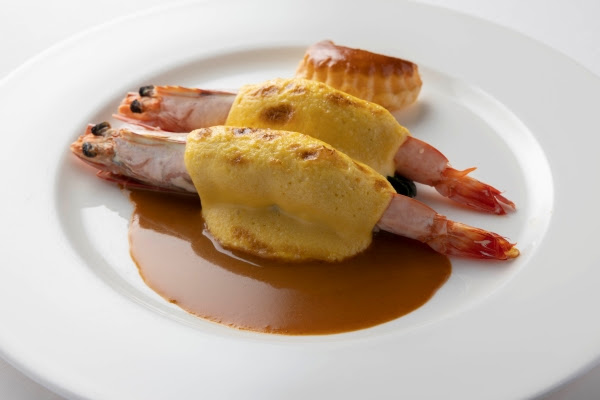
Several legendary recipes anchor this unbroken continuity. Guests can savor the Chaliapin Steak, ingeniously tenderized with onions in 1934 for a visiting Russian opera singer, or the elegant Gratin of Prawn and Sole created for Queen Elizabeth II during her 1975 state visit. For beverage enthusiasts, the Old Imperial Bar still serves the Mount Fuji cocktail, a beautifully balanced gin, cream, and egg white creation topped with a maraschino cherry to mimic the rising sun. First shaken in 1924 to welcome global cruise passengers, the recipe remains completely unchanged. By maintaining these precise culinary formulas across generations, the hotel seamlessly fuses luxury hospitality with historic preservation.

About Imperial Hotel, Tokyo
The Imperial Hotel, Tokyo, is one of Japan’s most prestigious and historic luxury hotels, located in the Hibiya district near the Imperial Palace and Ginza. Established in 1890 as a state guesthouse for international visitors, the hotel has long served as a symbol of Japanese hospitality. Its legacy is closely linked to architect Frank Lloyd Wright, who designed the hotel’s second iteration, completed in 1923 and internationally recognized for both its innovation and its resilience during the Great Kantō Earthquake. Today, the Imperial Hotel continues to offer refined accommodations, acclaimed dining and extensive event facilities while welcoming guests from around the world.
The Imperial Hotel brand includes properties in Tokyo, Kamikochi, Osaka and Kyoto, reflecting a nationwide portfolio that blends historic legacy with contemporary luxury and a continued commitment to omotenashi. For more information, visit https://www.imperialhotel.co.