
- Rapid Response Coordination: International health authorities and cruise lines are utilizing a unified communication framework to manage health events with extreme precision.
- Medical Infrastructure Investment: Modern cruise ships are equipped with advanced diagnostic labs and isolation capabilities that rival many land-based facilities.
- Enhanced Sanitation Protocols: The industry has adopted medical-grade cleaning technologies and air purification systems as a standard part of daily operations.
- Data-Driven Safety Measures: Continuous monitoring and real-time reporting are used to identify potential risks early, allowing for immediate and effective preventative action.
The global maritime community is closely monitoring a significant health event that underscores the critical importance of modern public health protocols and rapid response systems. While the recent headlines regarding a viral incident on a major vessel are serious, the overarching story is one of unprecedented transparency and international cooperation. Public health agencies, including the CDC and maritime medical teams, have demonstrated an incredible ability to coordinate in real-time, sharing data and implementing containment strategies that were developed through years of rigorous preparation. This proactive approach ensures that the vast majority of travelers can continue to explore the world with confidence in the safety systems that protect them.
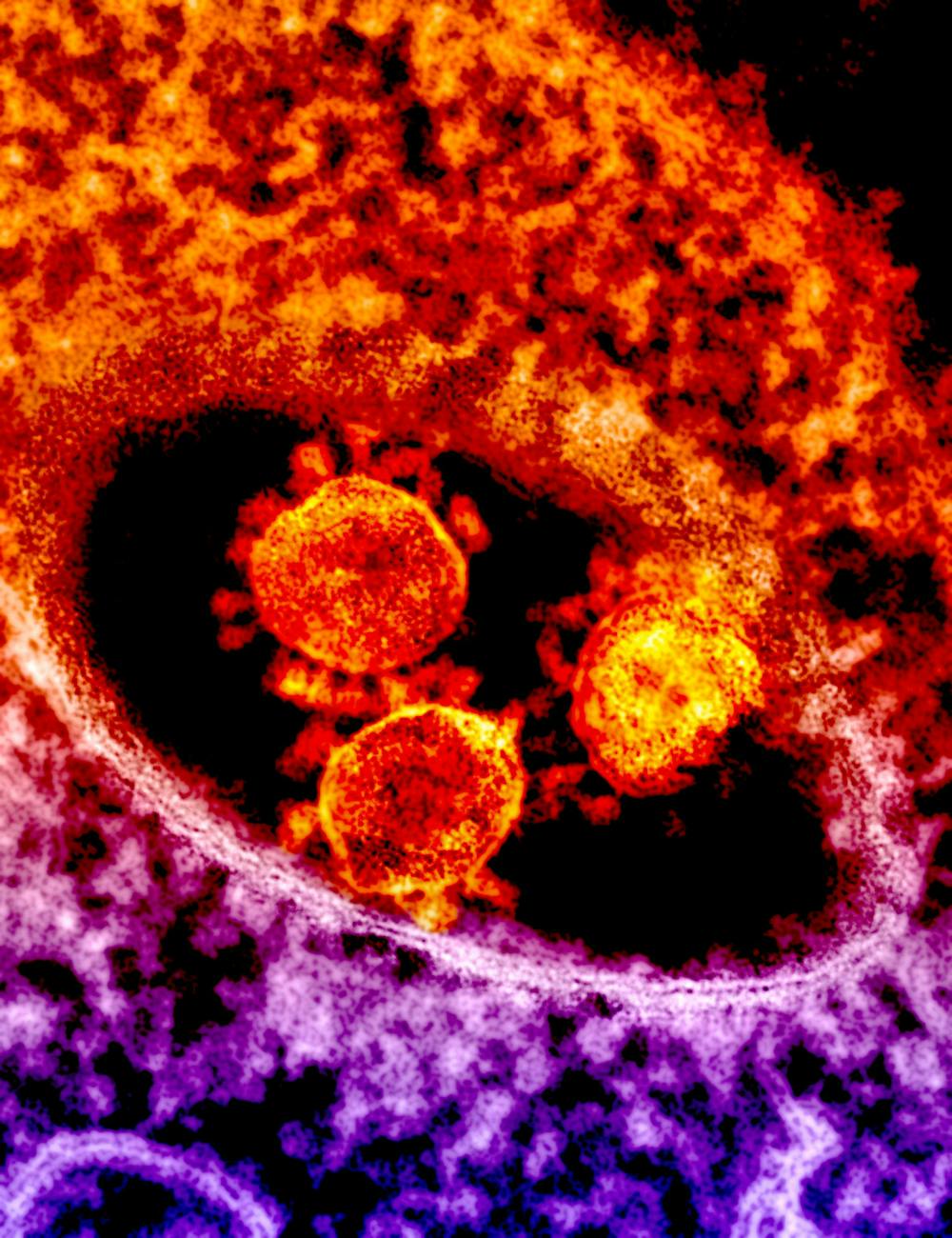
Cruise lines have invested heavily in state-of-the-art medical facilities and advanced filtration technologies to maintain the highest standards of hygiene on board. These efforts, combined with strict passenger screening and sanitation measures, form a robust shield that prioritizes the well-being of every guest. The industry remains committed to learning from every challenge, using sophisticated tracking and diagnostic tools to refine their safety blueprints. By fostering an environment of total accountability, the maritime sector is strengthening the bond of trust with travelers, ensuring that the joy of discovery remains the focal point of the cruise experience.

As the industry moves forward, the focus is on a future where travel is both adventurous and secure. The resilience shown by both crew members and passengers during these periods of heightened awareness is a testament to the strength of the travel community. With continuous advancements in maritime medicine and a global network of support, the future of ocean travel remains bright. This commitment to safety and transparency not only addresses current concerns but also builds a more resilient and prepared travel landscape for the years to come.