
- Global Carbon Mandates: New international frameworks are being developed to track and reduce the carbon intensity of large sea-going vessels.
- Fuel Transformation: The industry is moving away from traditional heavy fuel oils in favor of cleaner alternatives like LNG, biofuels, and eventually hydrogen.
- Economic Adjustments: Compliance with environmental standards involves significant capital expenditure, which may be reflected in future cruise fare structures.
- Sustainable Innovation: Regulatory pressure is driving a surge in maritime engineering breakthroughs that improve both efficiency and passenger comfort
The maritime industry is entering a period of significant transition as new international regulations aimed at environmental sustainability begin to take effect. A primary focus of these changes is the implementation of stricter carbon emission standards and potential global carbon taxes managed by United Nations-affiliated bodies like the International Maritime Organization. These initiatives are designed to accelerate the shipping industry’s shift toward cleaner fuels and more efficient technologies, ensuring that global travel becomes more environmentally responsible in the coming decades.
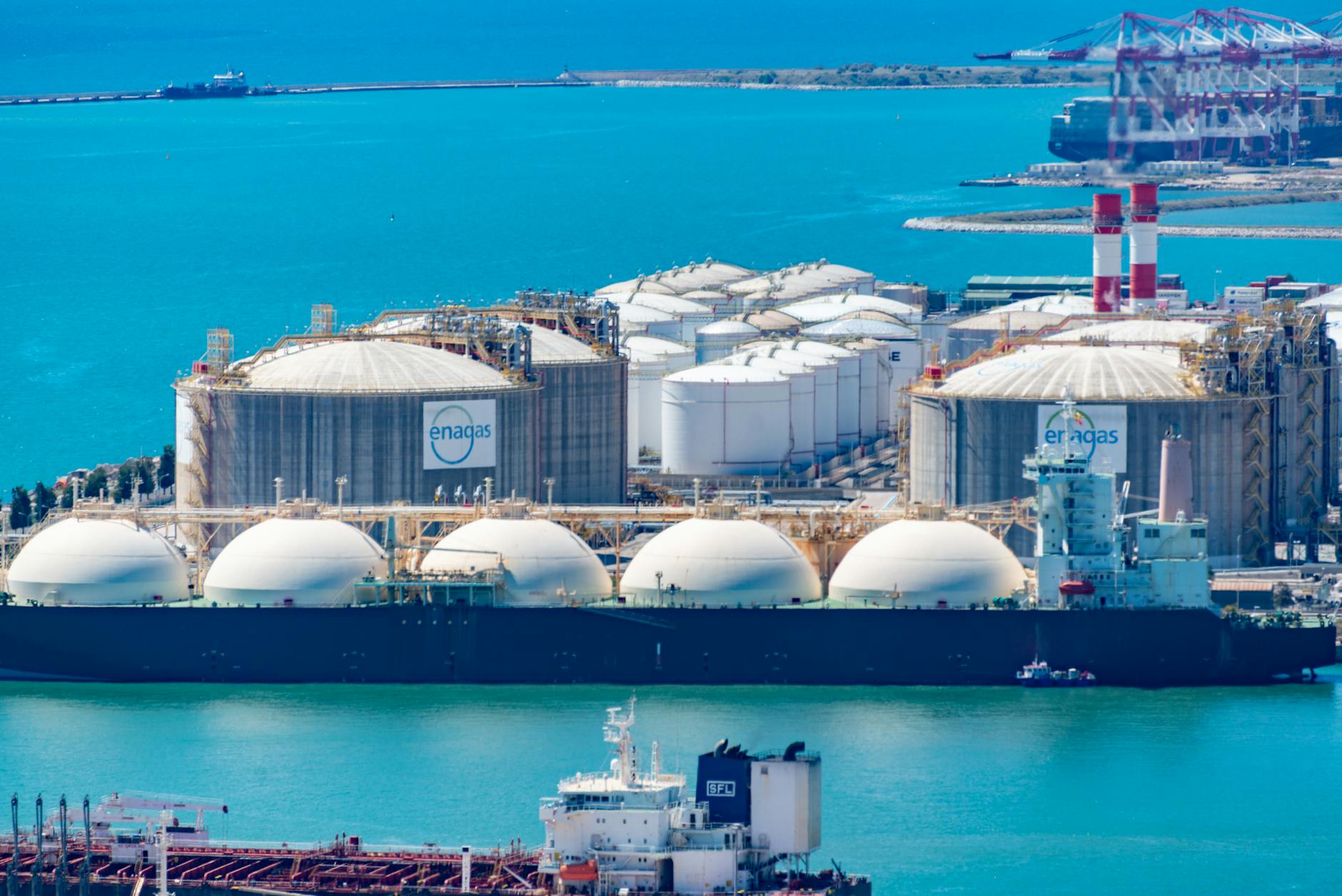
While these regulations represent a positive step for the planet, they are expected to influence the cost structure of the cruise industry. To comply with new mandates, cruise lines are investing billions in liquefied natural gas (LNG) propulsion, advanced waste management systems, and shore-power connectivity. These capital investments, alongside the higher cost of sustainable marine fuels, may lead to adjustments in ticket pricing. However, the industry remains optimistic that these advancements will appeal to a growing demographic of eco-conscious travelers who value intentional and sustainable vacation options.
The transition also encourages innovation in ship design, with newer vessels featuring aerodynamic hulls and energy-capturing technologies. These improvements not only reduce the environmental footprint but also enhance the overall guest experience by providing quieter and smoother voyages. As the industry evolves, the focus remains on balancing the high standards of luxury and service that passengers expect with the necessary steps to preserve the marine environments that make cruising such a unique way to explore the world.