
- International Medication Donation: Fujifilm Pharmaceuticals in Japan donated 1,400 tablets of the experimental antiviral favipiravir to aid treatment efforts.
- Cruise Ship Connection: The outbreak involved thirteen confirmed or probable cases linked to an expedition cruise ship.
- Targeted Drug Selection: The European Medicines Agency selected favipiravir as the most viable candidate for compassionate use protocols.
- Low Public Risk: The European Centre for Disease Prevention and Control assessed the general risk to the public as very low due to the isolated nature of the cases
A swift international response is bringing hope to patients affected by a rare hantavirus strain linked to a recent cruise ship voyage. The European Commission announced that initial doses of an experimental antiviral treatment are being dispatched to France, Spain and the Netherlands to treat individuals who contracted the virus.
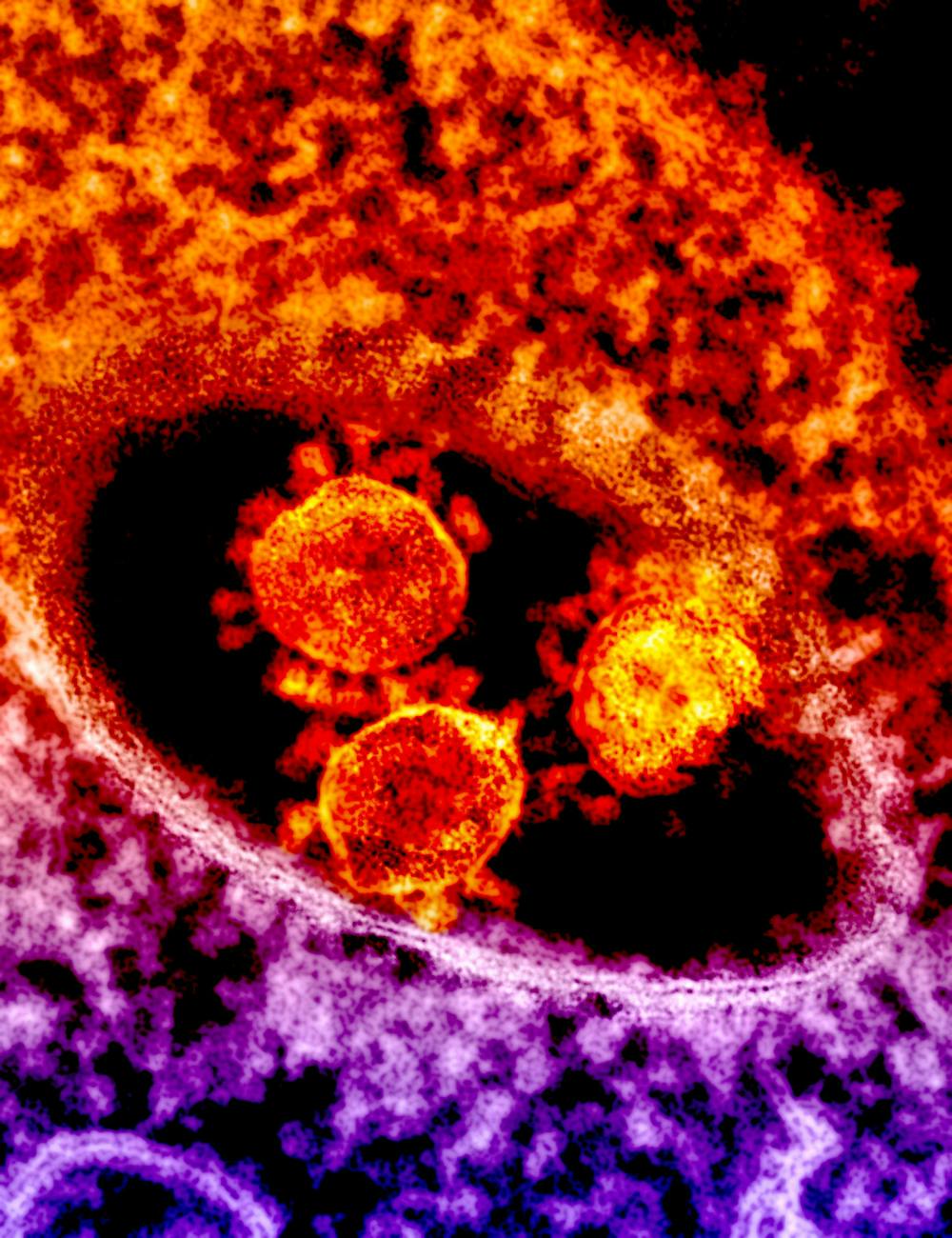
With no currently approved vaccines or specific medicines available for hantavirus, health authorities moved quickly to identify viable alternatives. The European Medicines Agency pinpointed the antiviral drug favipiravir as the most promising candidate for compassionate use and clinical trials. Highlighting the power of international cooperation, Fujifilm Pharmaceuticals in Japan donated 1,400 tablets of the medication to support the affected European nations.
Thirteen people have tested positive for the Andes hantavirus strain following an itinerary on a Dutch-flagged wildlife expedition ship. While this rare strain is notable for its potential to transmit via close person-to-person contact, the European Centre for Disease Prevention and Control emphasizes that the risk to the general public remains very low.
The proactive approach continues as the European Union launches emergency procurement procedures to secure additional antiviral doses, ensuring comprehensive readiness for any further cases. This decisive action showcases how global health partnerships and rapid scientific collaboration can effectively safeguard public health during unexpected events.