
- Pretextual Bias Allegations: The formal lawsuit argues that the airline utilized the employee’s probationary status as a pretextual justification to mask underlying discriminatory considerations related to her gender and race.
- Selective Policy Enforcement: Legal documents claim that the airline’s social media and personal conduct policies are highly subjective, enabling management to enforce them inconsistently when comparing male and female flight crew posts.
- Context of the Video: The controversial twenty-second dance clip was recorded during a multi-hour pilot delay on a grounded aircraft with zero passengers on board, featuring no corporate tags or descriptive identifying labels.
- Union Representation Dispute: The plaintiff has additionally named her representing labor union in the legal action, alleging a separate failure to fairly represent or assist her in appealing the sudden workplace termination
A fascinating legal development in the aviation sector highlights the growing intersection of workplace regulations, social media, and employee civil rights. According to an official legal report from HR Dive, a former flight attendant has filed a formal discrimination lawsuit against Alaska Airlines. The legal action stems from an incident where the worker was terminated after posting a viral TikTok video of herself dancing while in uniform on a grounded aircraft, sparking a critical debate regarding corporate policy enforcement and employee equity.
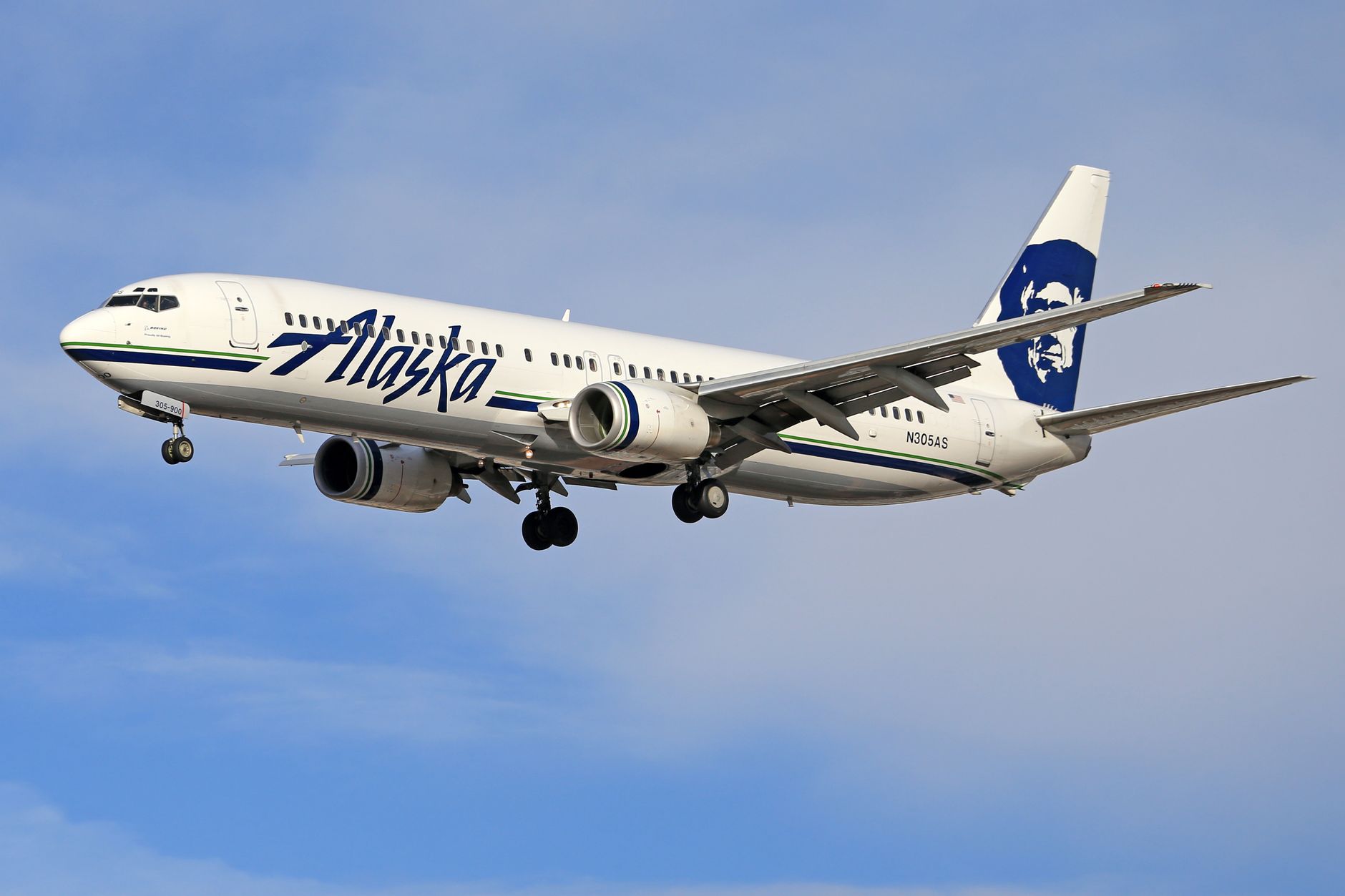
The lawsuit, Diala v. Alaska Airlines, Inc. et al., details that the plaintiff—a bicultural Asian American and African American female—had recently graduated at the top of her flight training class. While waiting during a two-hour pilot delay on an empty aircraft with no passengers on board, she recorded a short video dancing to music with explicit lyrics and shared it to celebrate the upcoming conclusion of her six-month new-hire probationary window. After the post went viral online, the airline quickly terminated her contract for allegedly violating company social media guidelines.
However, the legal filings argue that the airline’s reliance on her probationary status was a pretextual cover for systemic bias. The plaintiff alleges that the subjective nature of the carrier’s personal conduct and digital media policies allows management to apply disciplinary measures selectively based on race and sex. The suit claims that supervisors were fully aware of similar online content shared by male flight attendants, yet those employees faced significantly less severe disciplinary action, if any at all. By taking this matter to court, the case aims to highlight the critical need for corporations to maintain transparent, consistent, and completely impartial disciplinary standards across all demographics.