
- Aviation Network Vulnerability: The widespread nature of the delays highlights how minor disruptions at primary hubs can easily cascade across the entire domestic flight infrastructure.
- Impact on Regional Carriers: Major airlines rely heavily on regional partners like SkyWest, meaning operational bottlenecks for smaller carriers directly cause scheduling trouble for mainline operations.
- Geographic Dispersal of Delays: Flight disruptions were not isolated to a single coast, affecting diverse locations ranging from Caribbean gateways like Puerto Rico to remote hubs like Anchorage.
- Pre-Summer Travel Pressures: The elevated cancellations and delays occurred during a critical transition period as airlines attempt to scale operations to meet high seasonal demand.
On May 17, 2026, the United States aviation network experienced notable disruptions, resulting in 60 flight cancellations and 1,326 flight delays. The operational challenges impacted several major airlines, including American Airlines, Delta Air Lines, Hawaiian Airlines, and SkyWest Airlines. These carrier issues created a cascading effect across various regional and international hubs within the domestic network.
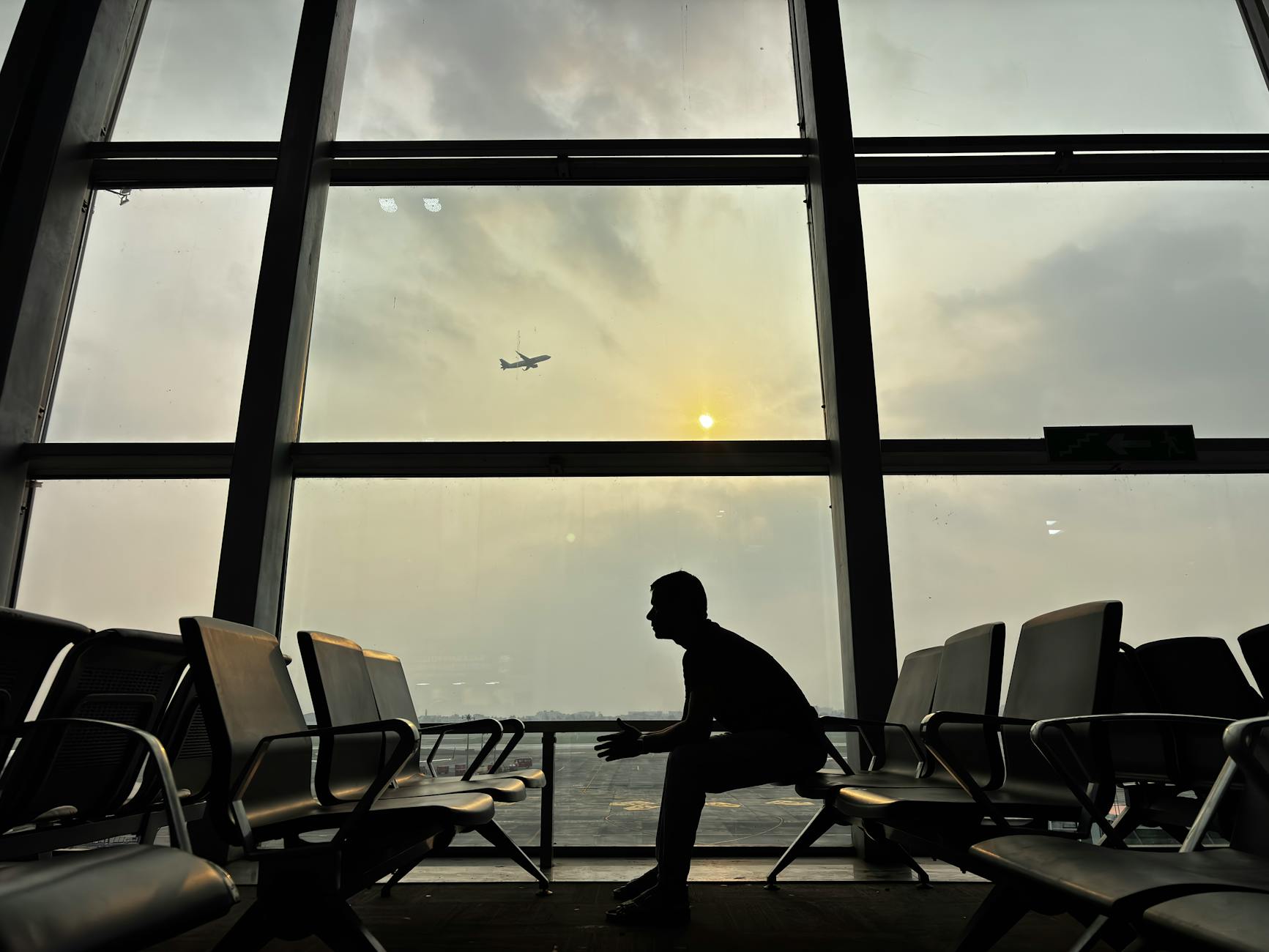
The disruptions affected multiple geographic locations, with notable slowdowns and cancellations documented at airports in Puerto Rico, San Francisco, Portland, Miami, Nantucket, and Anchorage. The delays and cancellations occurred during a period of prolonged operational strain within the domestic aviation grid, which has seen consecutive days of elevated disruptions leading up to the busy summer travel season. Industry data highlights that the combination of carrier scheduling changes, local weather conditions such as fog in specific coastal areas, and ongoing regulatory adjustments contributed to the high volume of impacted flights.
For passengers, these flight revisions resulted in widespread schedule changes and localized terminal congestion. Regional carriers like SkyWest, which operate connecting flights on behalf of larger network airlines, faced significant challenges in maintaining their scheduled rotations. This, in turn, disrupted connecting traffic at major hubs like San Francisco International Airport and Miami International Airport. Travelers at peripheral destinations, including Nantucket and Anchorage, also faced reduced options due to the lack of immediate alternative routing. The widespread nature of these delays underscores the interconnected vulnerability of the modern airspace system when multiple hubs experience simultaneous resource constraints and logistical setbacks.