
Important Topics To Know
- Federal officers are being utilized in non-screening roles to allow specialized agents to focus entirely on passenger security checkpoints.
- Major hubs including Chicago O’Hare, LaGuardia, and Atlanta are among the primary locations receiving additional federal personnel support.
- Modern travel continues to function through the dedication of federal employees who remain committed to the safety of the national airspace.
- Passengers are advised to allow at least four hours for security processing at major international airports during this staffing transition
The aviation industry is witnessing a unique period of inter-agency cooperation as the Department of Homeland Security coordinates resources to support travel efficiency. In response to the ongoing partial government shutdown and its impact on staffing, approximately 150 Immigration and Customs Enforcement officers have been deployed to major U.S. travel hubs. This initiative is designed to bolster security presence and minimize disruptions for passengers navigating busy terminals during a time of high operational demand.
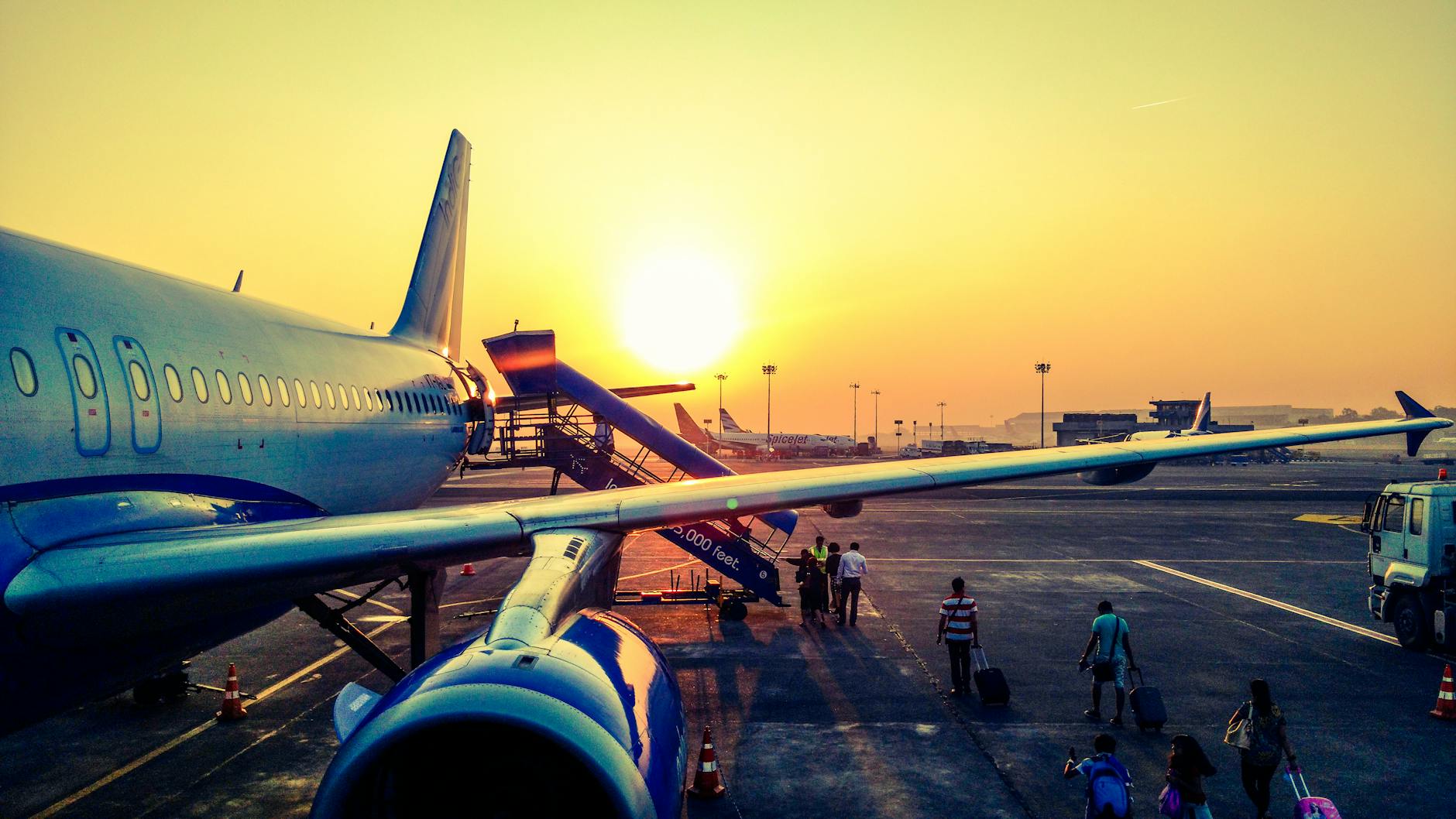
By positioning these federal officers in non-screening roles, such as monitoring exits and observing check-in areas, the administration aims to allow the Transportation Security Administration to focus its specialized personnel on security checkpoints. This strategic reallocation of staff is intended to help manage the historically long lines seen at airports like Hartsfield-Jackson in Atlanta and Kennedy International in New York. While the specific daily duties of these officers continue to evolve, their presence serves as an additional layer of federal support within the airport environment.

Airlines and airport operators are working diligently alongside these federal partners to maintain the flow of domestic and international travel. Travelers are encouraged to remain proactive by arriving early and staying informed through airline applications. This collaborative effort across different branches of the Department of Homeland Security highlights a shared commitment to keeping the skies safe and ensuring that the American aviation network remains resilient. As the industry recalibrates, the focus remains on providing a secure and stable environment for the millions of passengers who rely on these critical transit corridors every day.