
Important Topics To Know
- UNESCO World Heritage sites provide unique opportunities to explore culturally significant landmarks and globally important ecological biomes.
- Many travel providers at these sites prioritize sustainability through certifications and partnerships with conservation organizations like the Manta Trust.
- Destinations such as the Galápagos and Hokkaido offer intimate, expert-led experiences that foster a deeper understanding of complex ecosystems.
- Historical sites like the Gede Ruins and the thermal baths of England offer travelers a direct and tangible connection to centuries of human heritage.
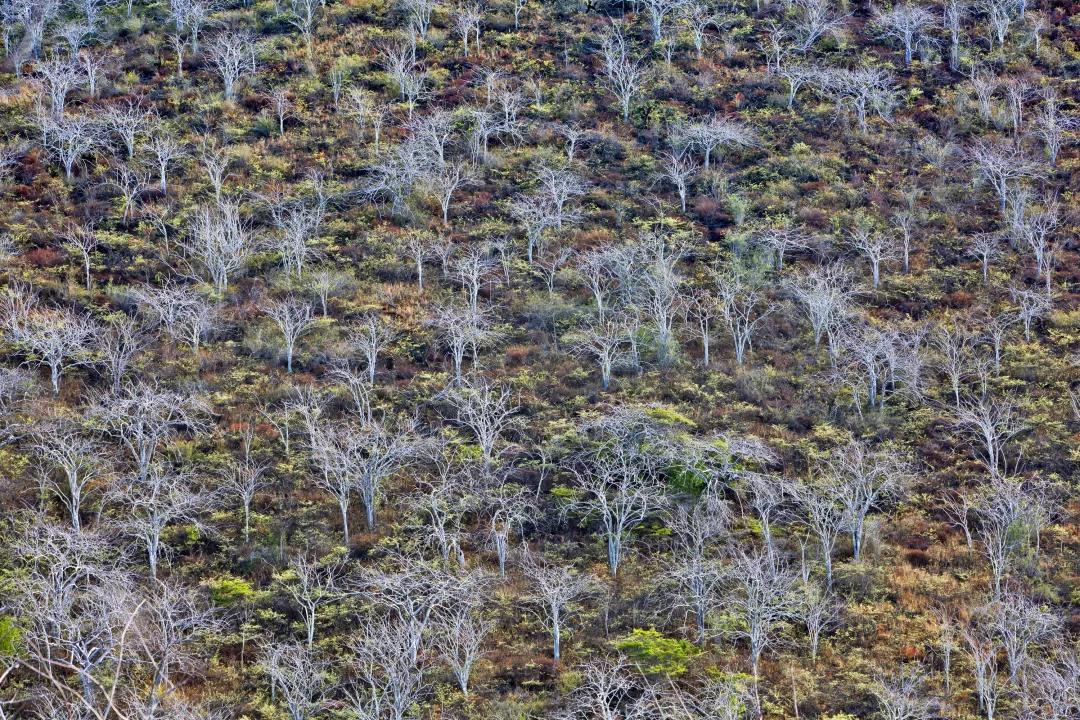
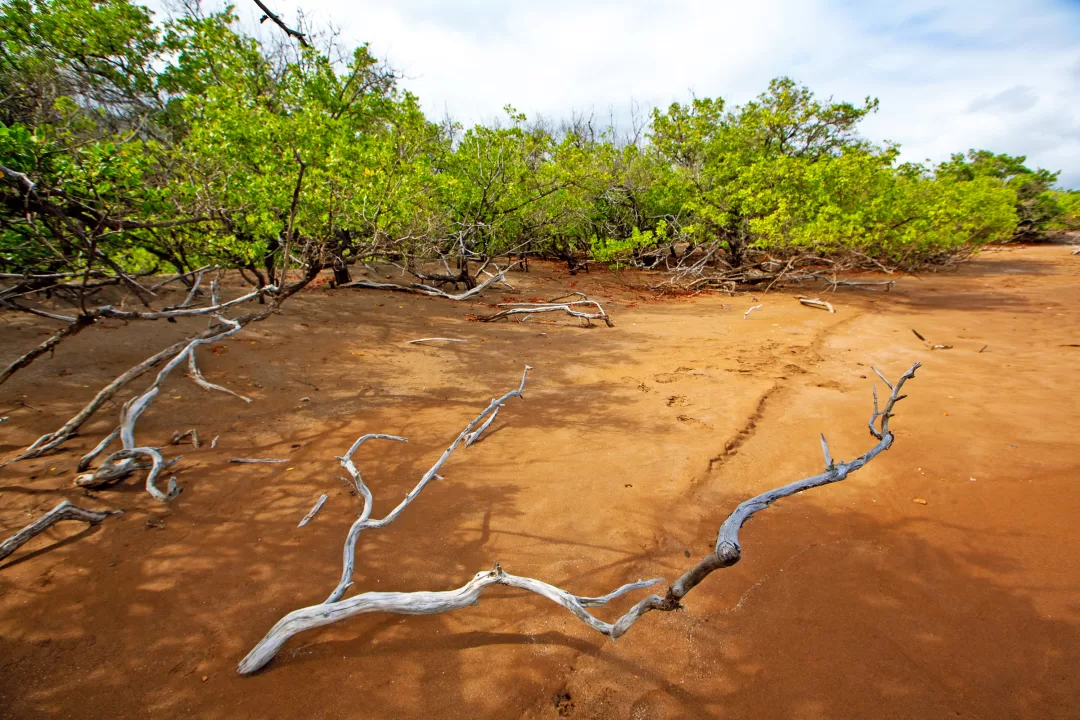
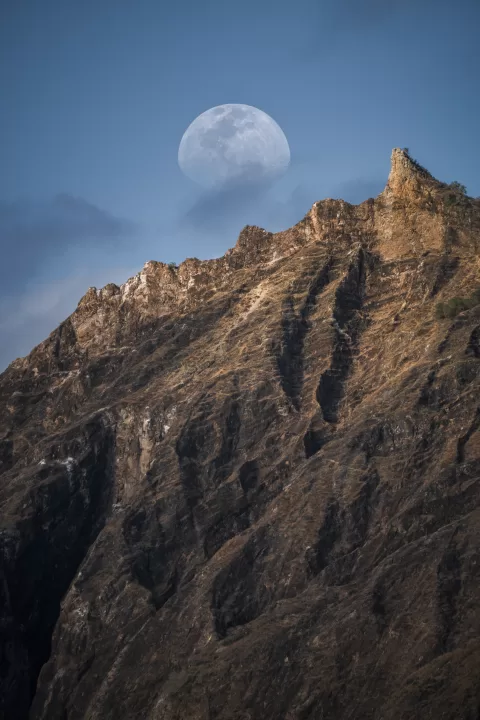
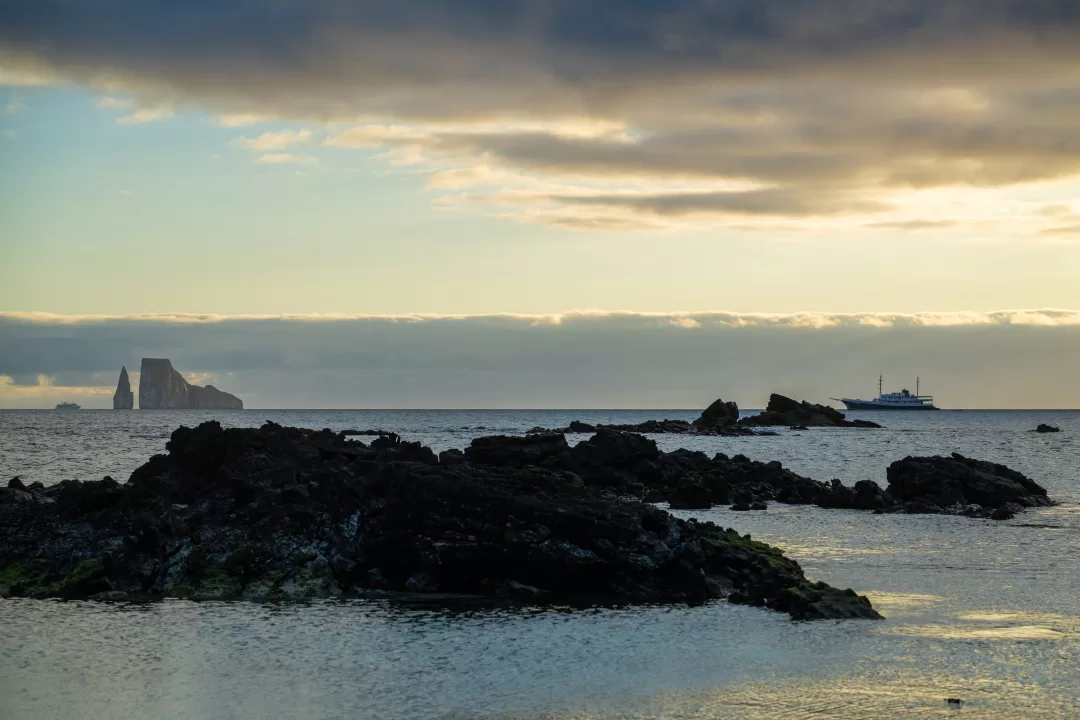
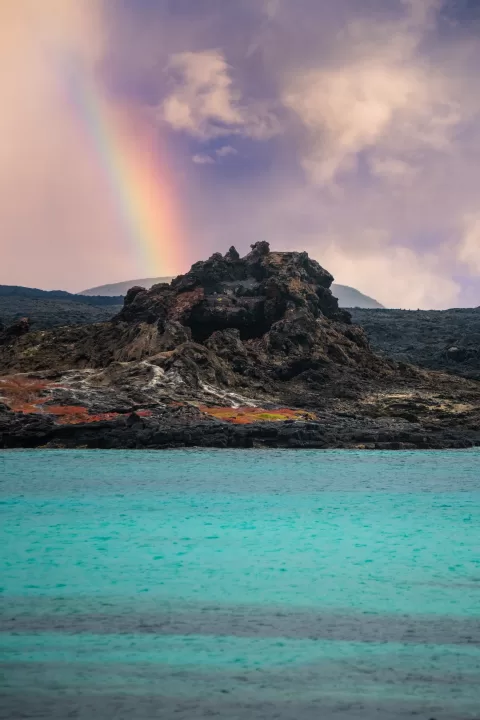
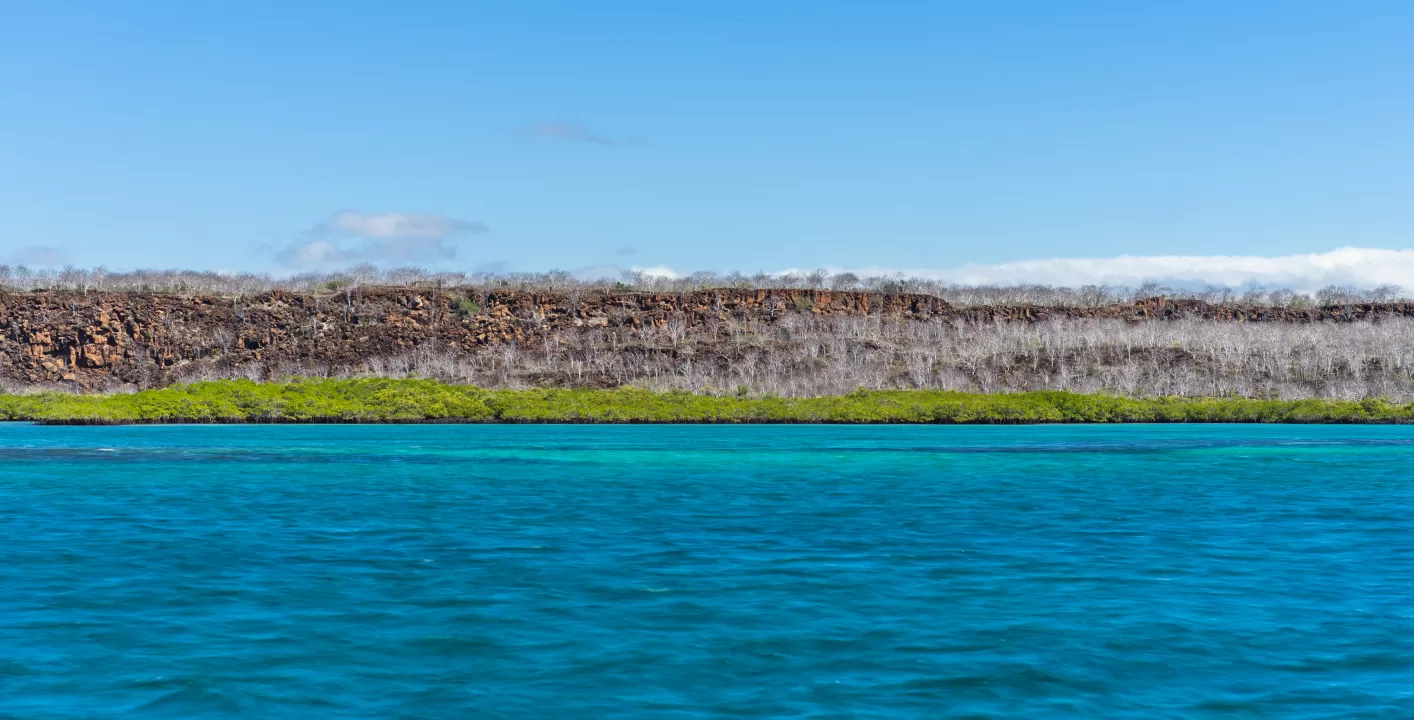
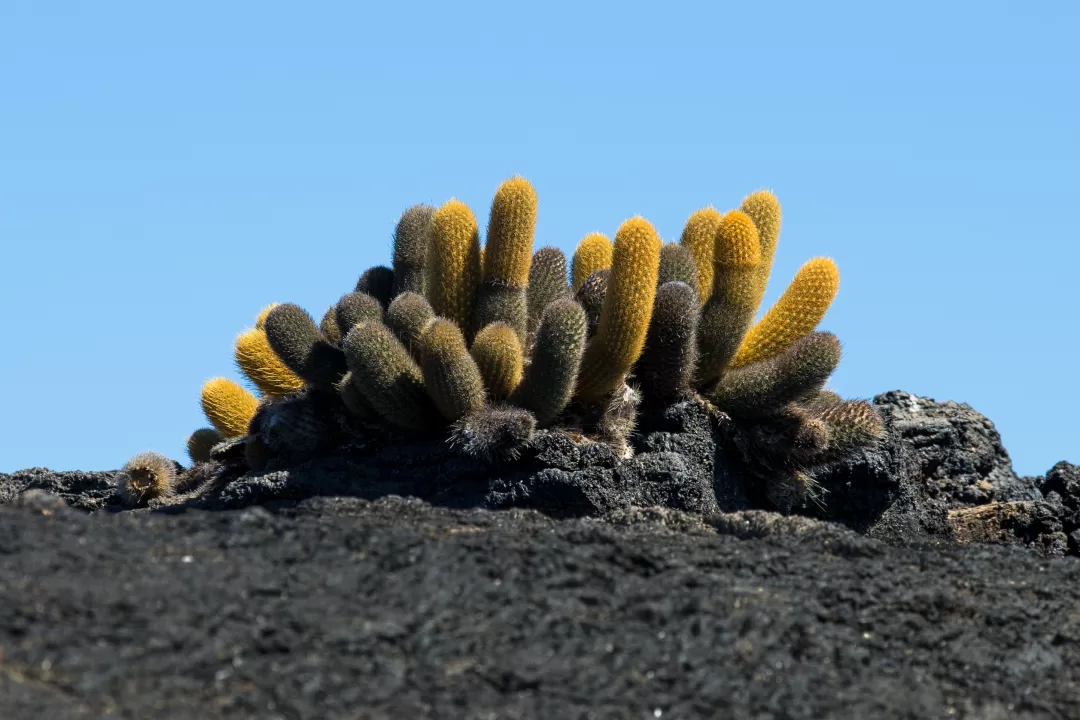
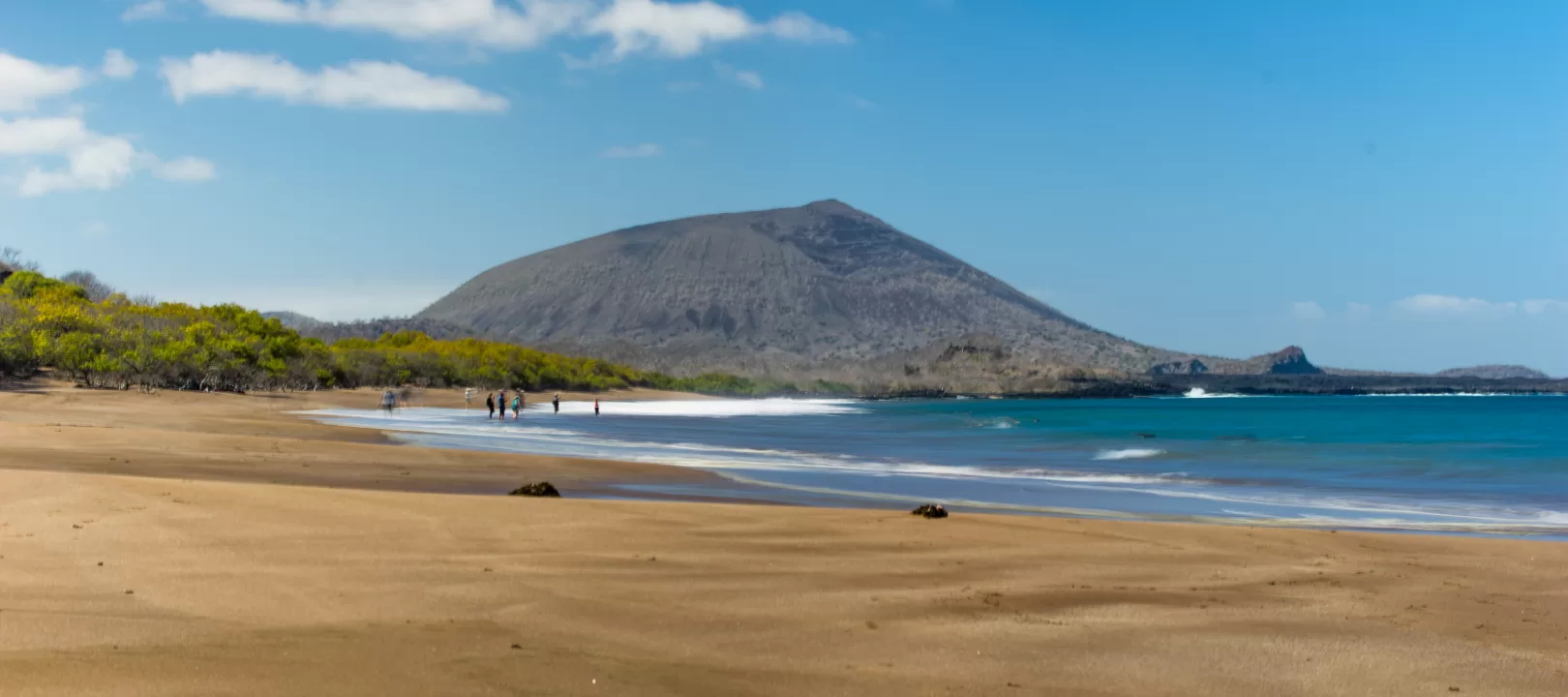
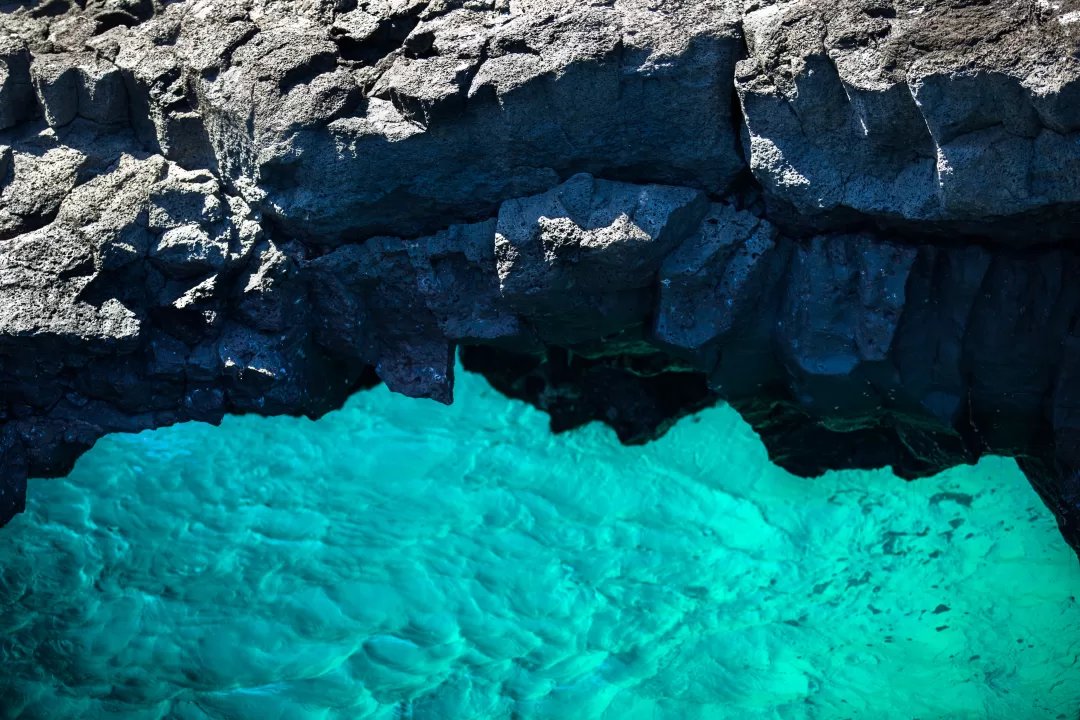
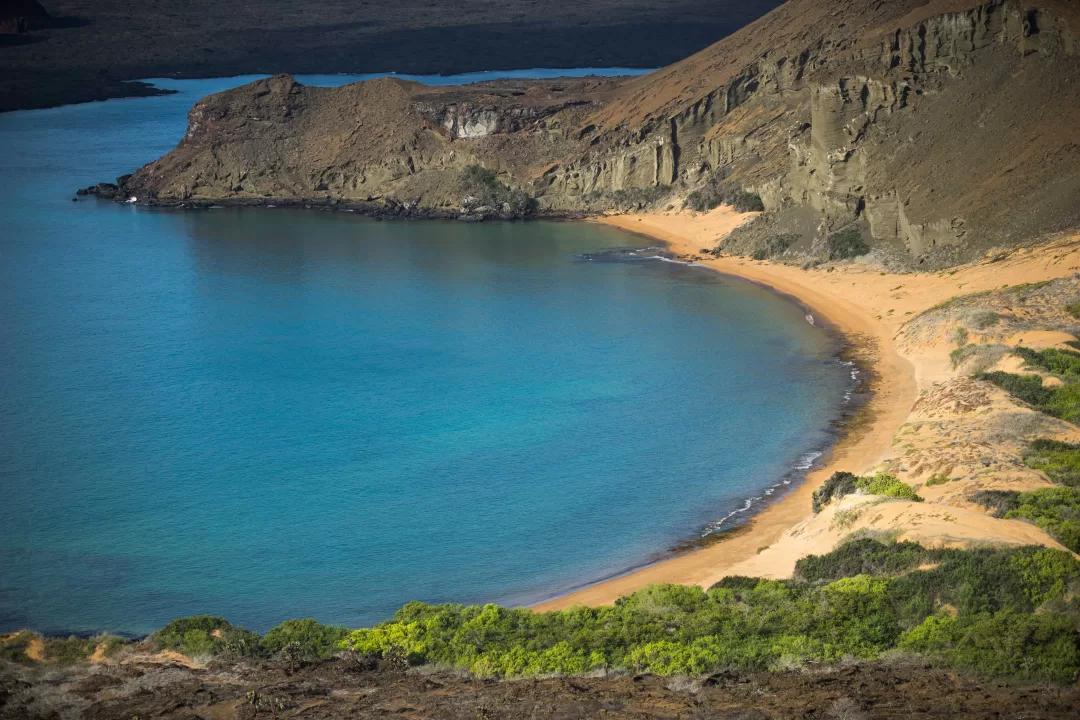
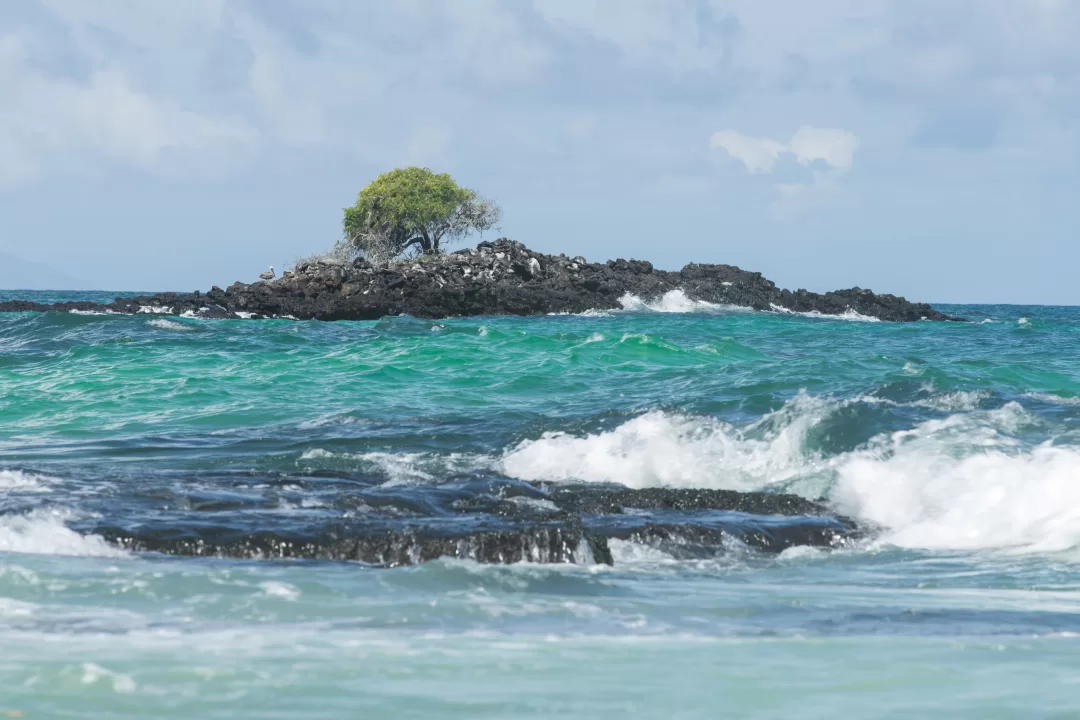
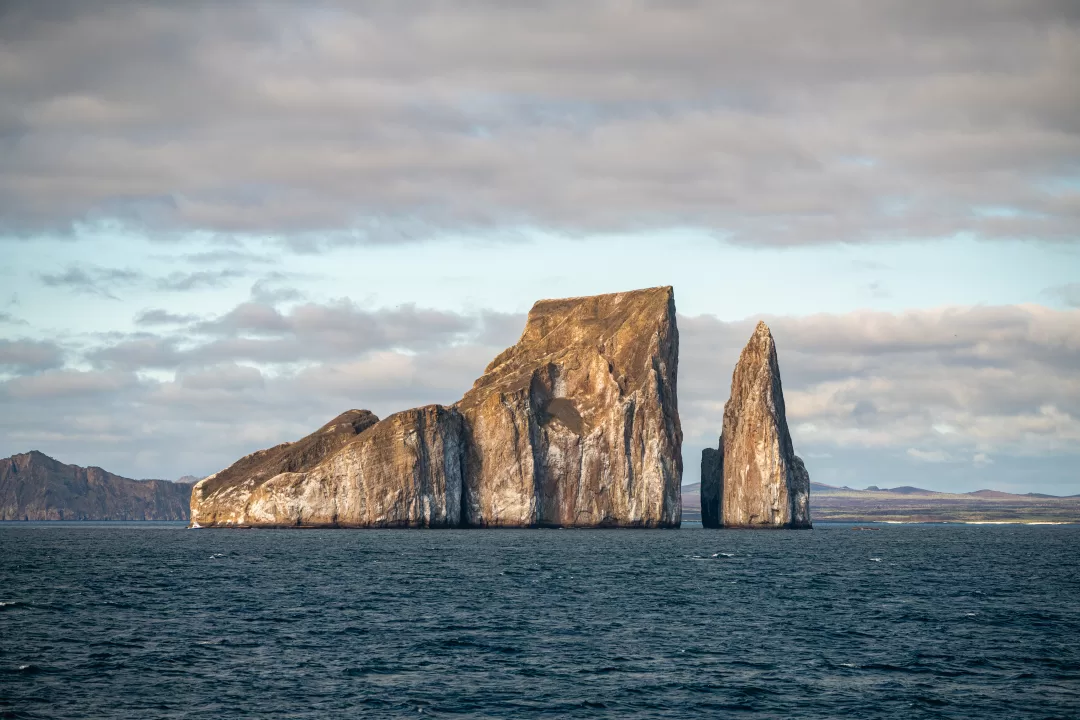
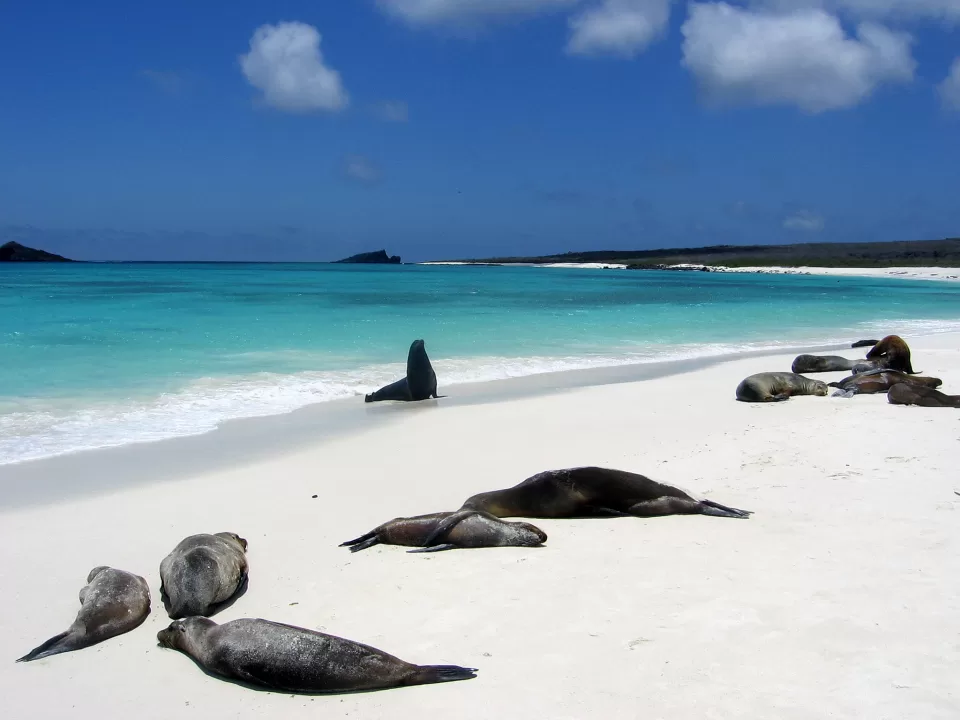
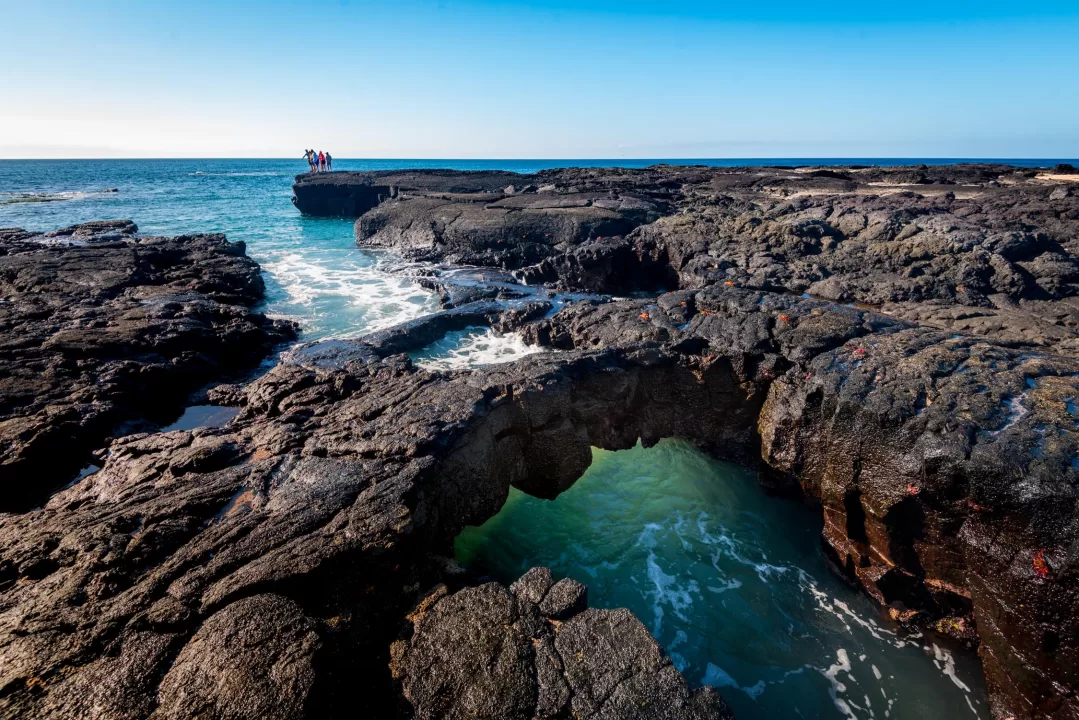
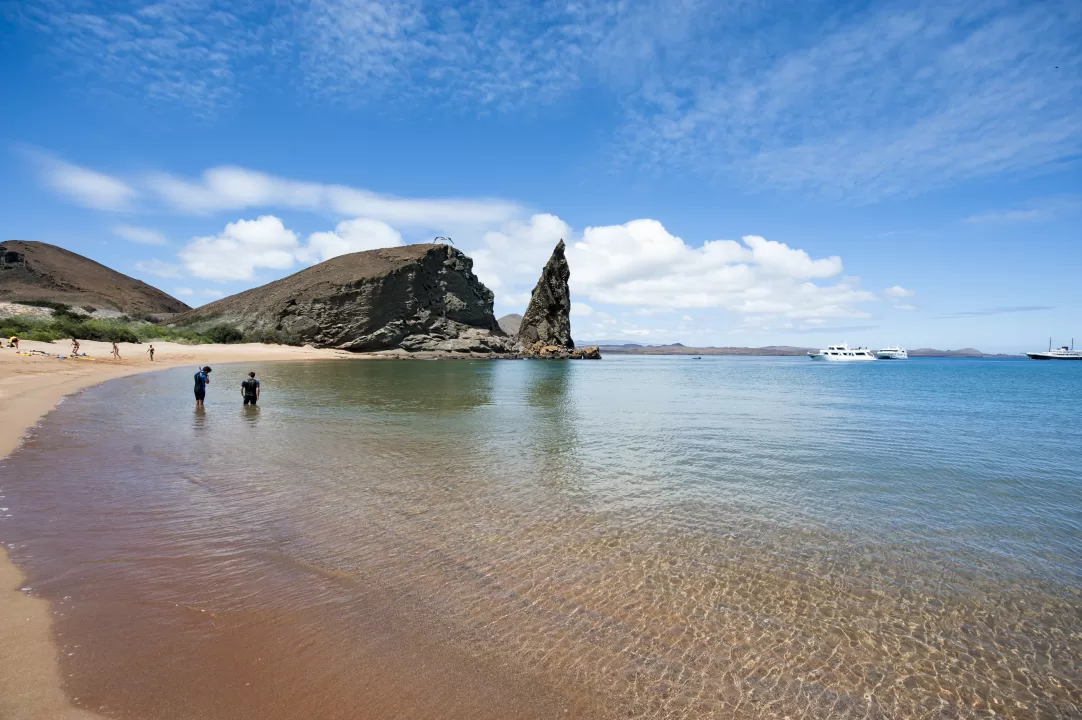
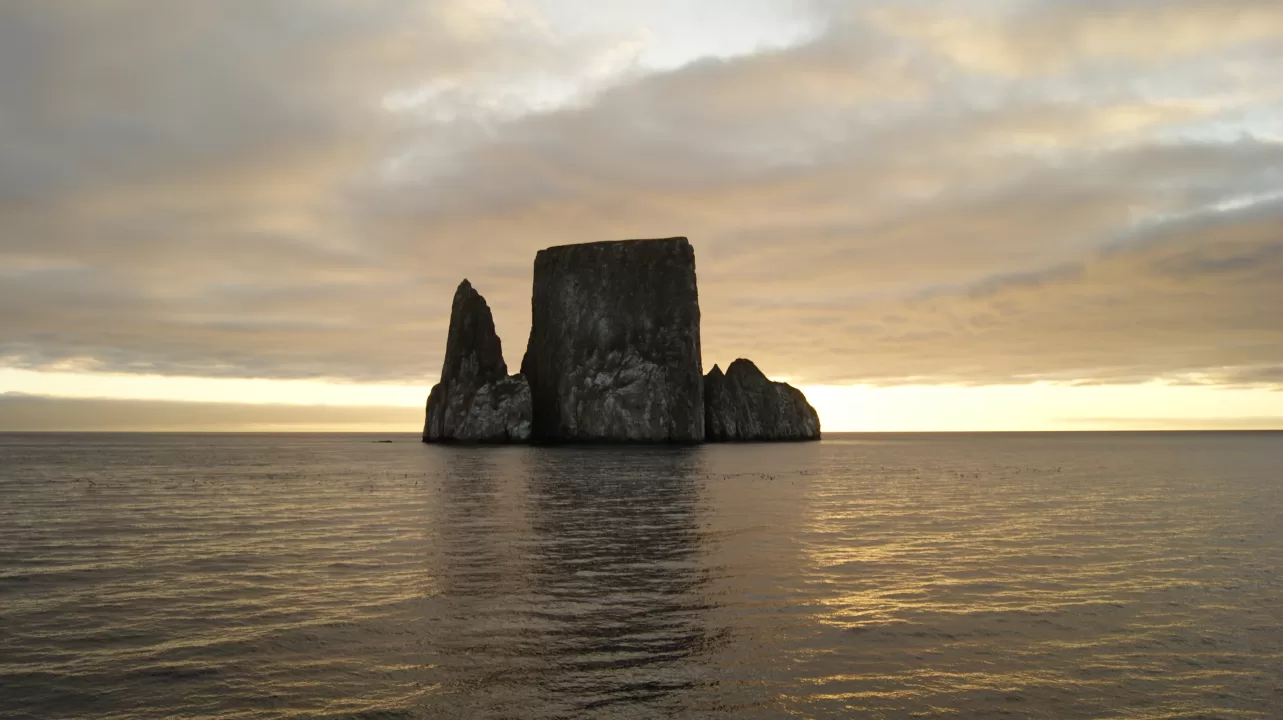
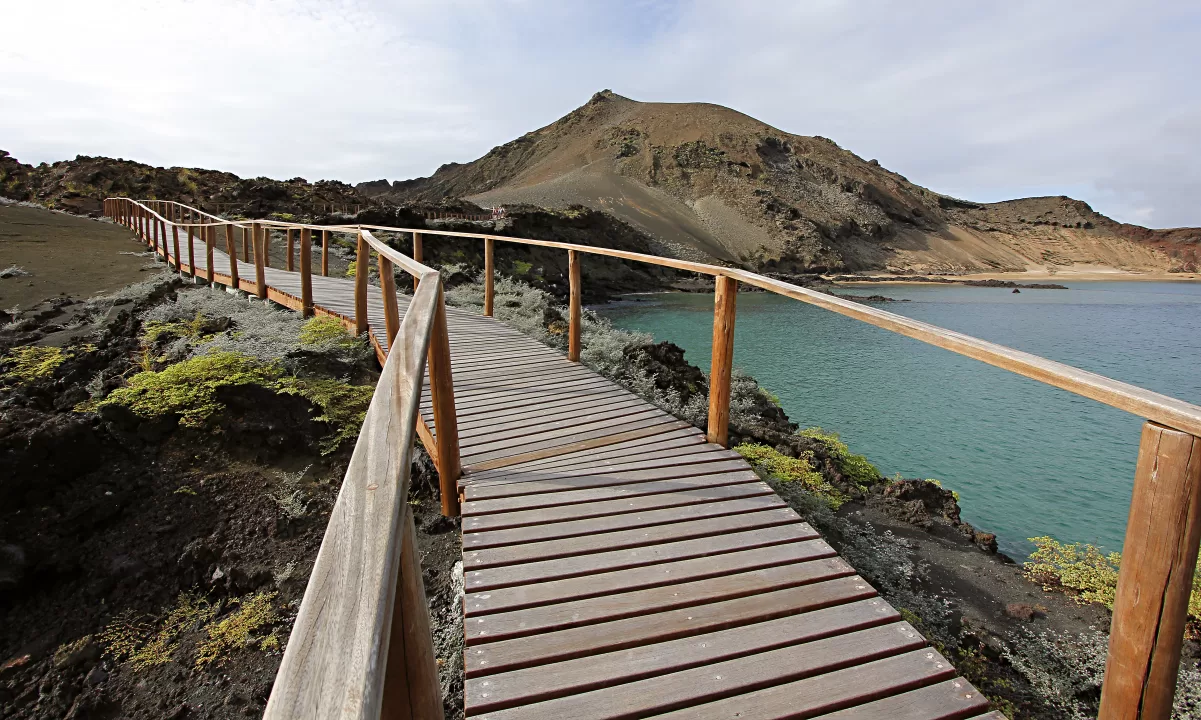
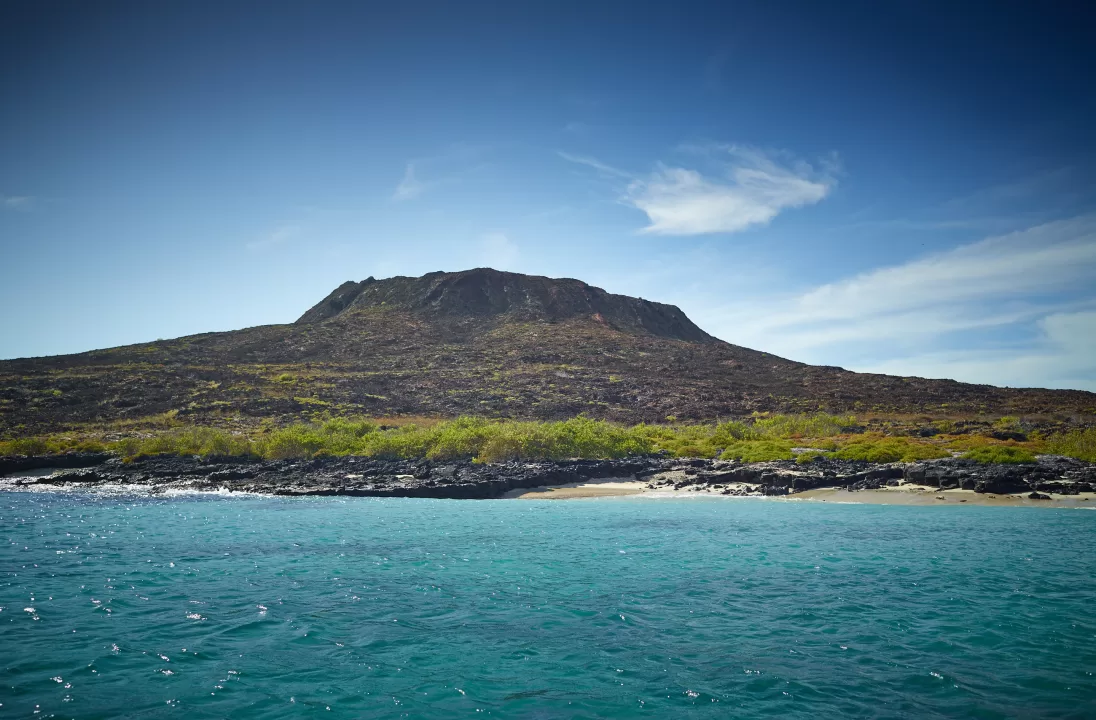
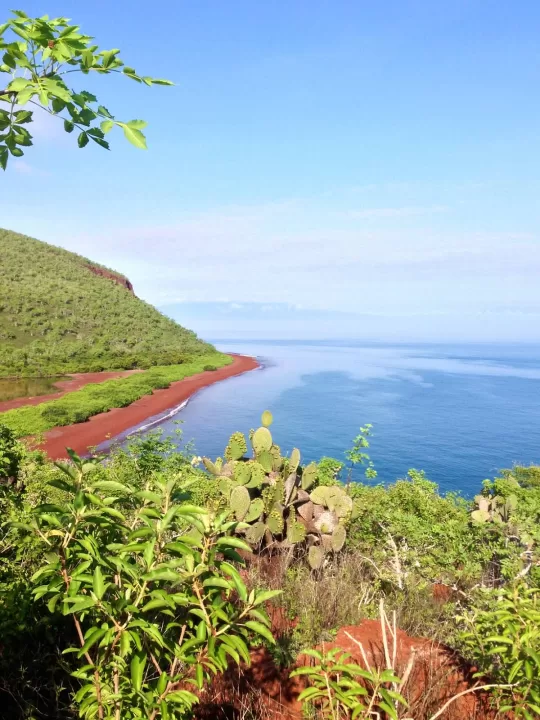
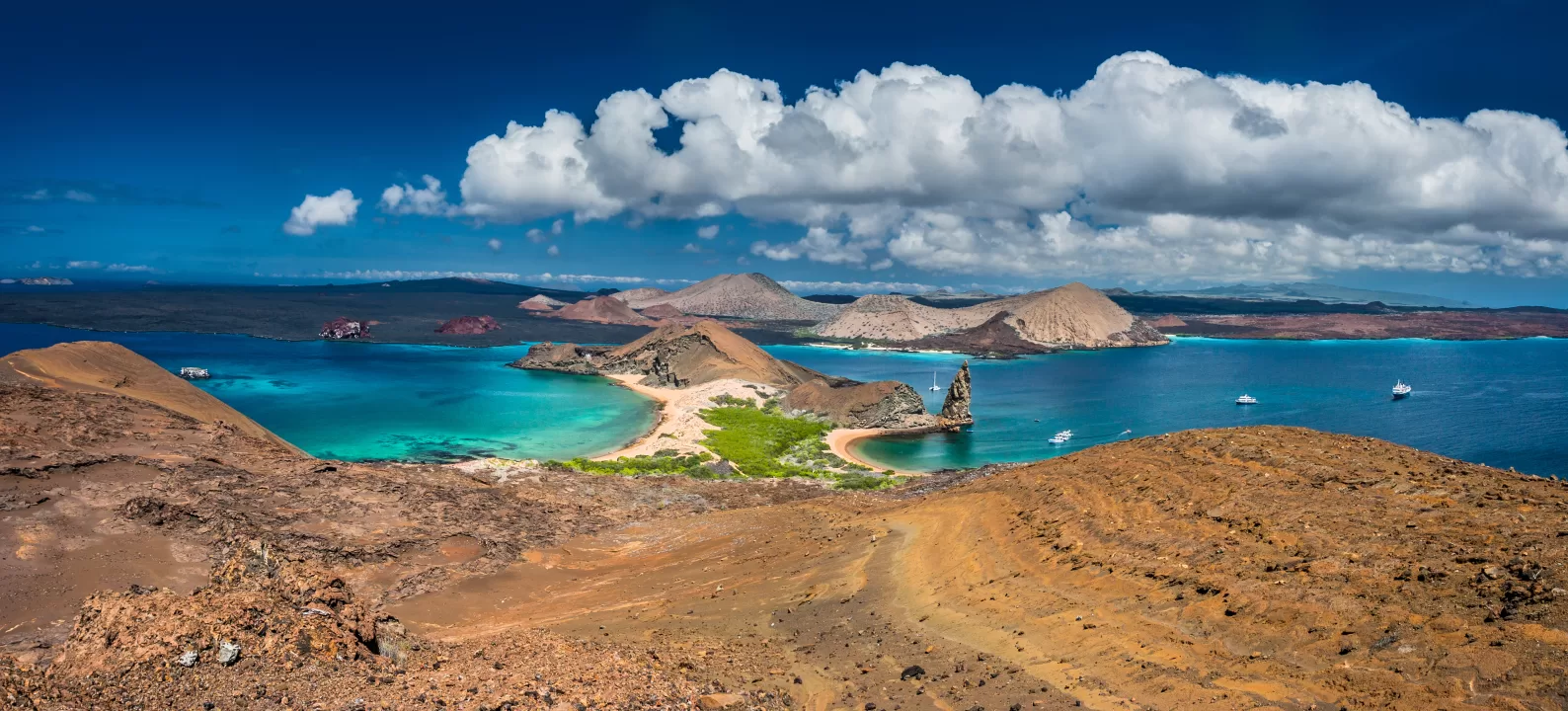
The world is home to an array of breathtaking UNESCO World Heritage sites that offer travelers a profound connection to both ancient history and resilient natural wonders. From the coastal forests of Kenya to the volcanic landscapes of the Galápagos, these protected areas provide immersive journeys through time and ecology. In Kenya, the Gede Ruins reveal a sophisticated 12th-century Swahili civilization once thriving with global trade, while the Galápagos Islands continue to captivate visitors with endemic species and pristine marine biomes. These destinations allow for meaningful exploration that goes far beyond traditional sightseeing, fostering a deep appreciation for the diverse heritage of our planet.



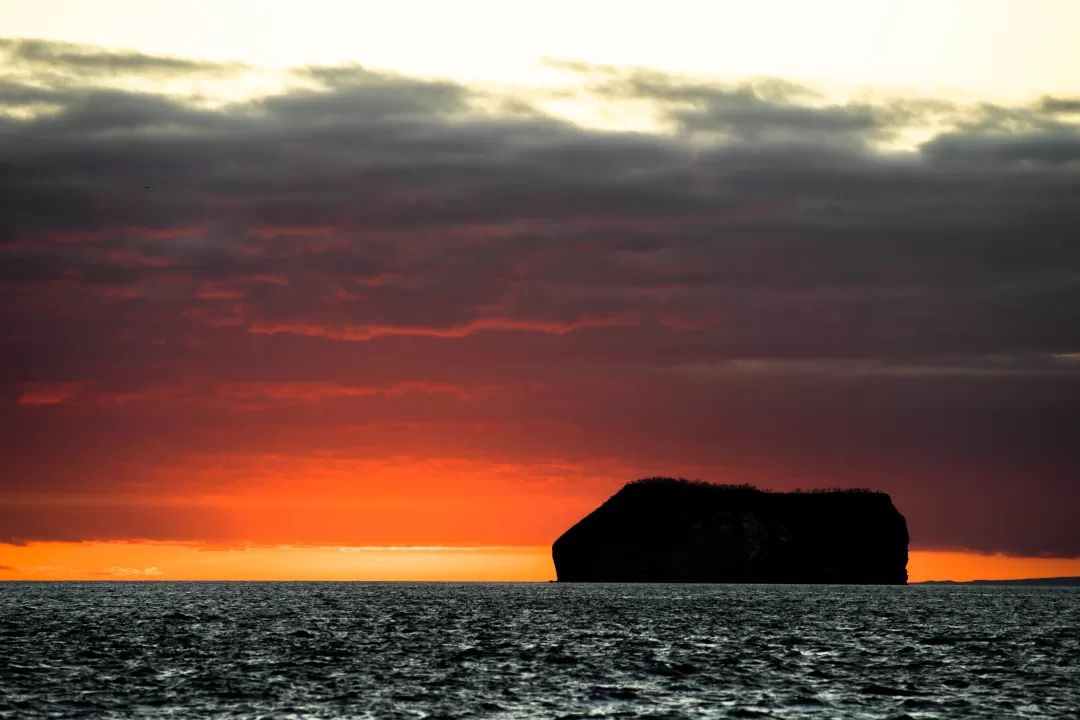
In Asia and Europe, the opportunities for discovery are equally compelling and restorative. Hikers can traverse the remote wilderness of East Hokkaido in Japan, where Shiretoko National Park showcases one of the most interconnected land and marine ecosystems in the world. Meanwhile, in the Maldives, boutique resorts within the Baa Atoll UNESCO Biosphere Reserve combine luxury with essential reef conservation efforts, offering guests the chance to swim alongside manta rays. For those seeking a more historical form of relaxation, the ancient thermal springs in Bath, England, allow visitors to submerge themselves in the same mineral-rich waters used by Romans two millennia ago.
These UNESCO-listed landmarks are preserved by forward-thinking organizations dedicated to sustainability and cultural stewardship. Whether walking through coral-stone ruins, trekking across caldera lakes, or exploring untouched coral reefs, travelers are invited to engage with the environment in a responsible and intimate way. Each site serves as a reminder of the remarkable craftsmanship of past civilizations and the delicate beauty of the natural world. By choosing these purpose-driven adventures, global explorers contribute to the ongoing preservation of the most significant biomes and landmarks known to man, ensuring they remain vibrant for generations to come.