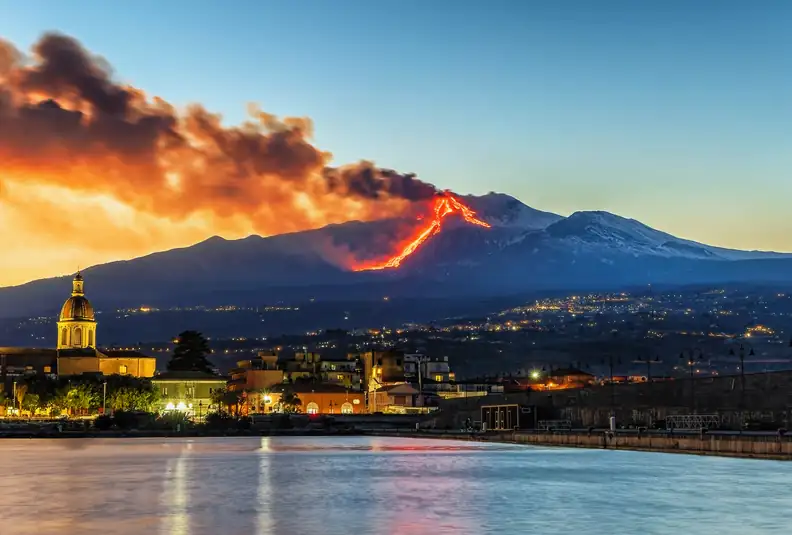
- Eruption Details and Immediate Impact: Mount Etna experienced a significant eruption with ash plumes, lava flows, and initial red alerts for aviation, causing some tourists to evacuate the slopes.
- Current Status and Travel Advisories: Aviation alerts have been lowered, and flights are operating with potential disruptions. International travel advisories urge caution but do not restrict travel to Sicily.
- Context of Volcanic Activity: This is the twelfth eruption in 2025, with recent increased activity in May, though no immediate threat to populated areas or infrastructure has been reported from this event.
- Preparedness and Outlook: Sicilian communities and the tourism industry are well-prepared for Etna’s activity. Continuous monitoring is ongoing, but future eruptions remain unpredictable.
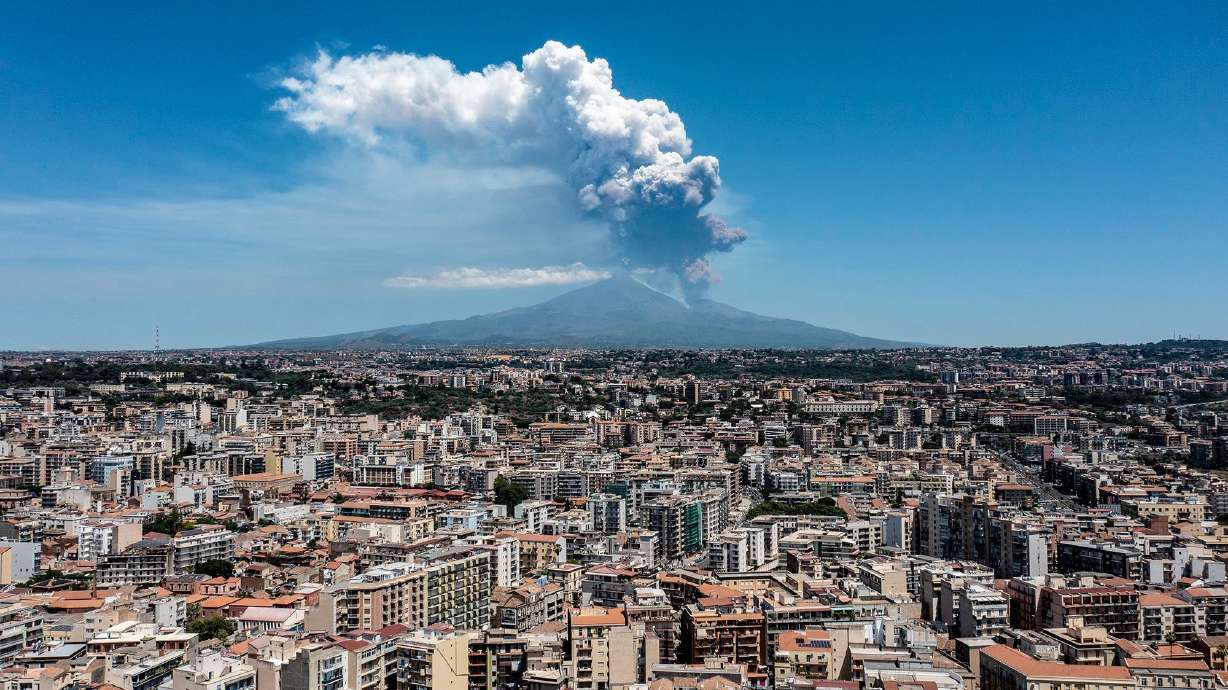
Mount Etna, one of Europe’s most active volcanoes, erupted with significant force early Monday morning, sending plumes of ash and volcanic gases high above eastern Sicily. The eruption, described as one of the most intense of 2025, occurred just as the island is preparing for its peak tourist season, causing some tourists to retreat from the volcano’s slopes.
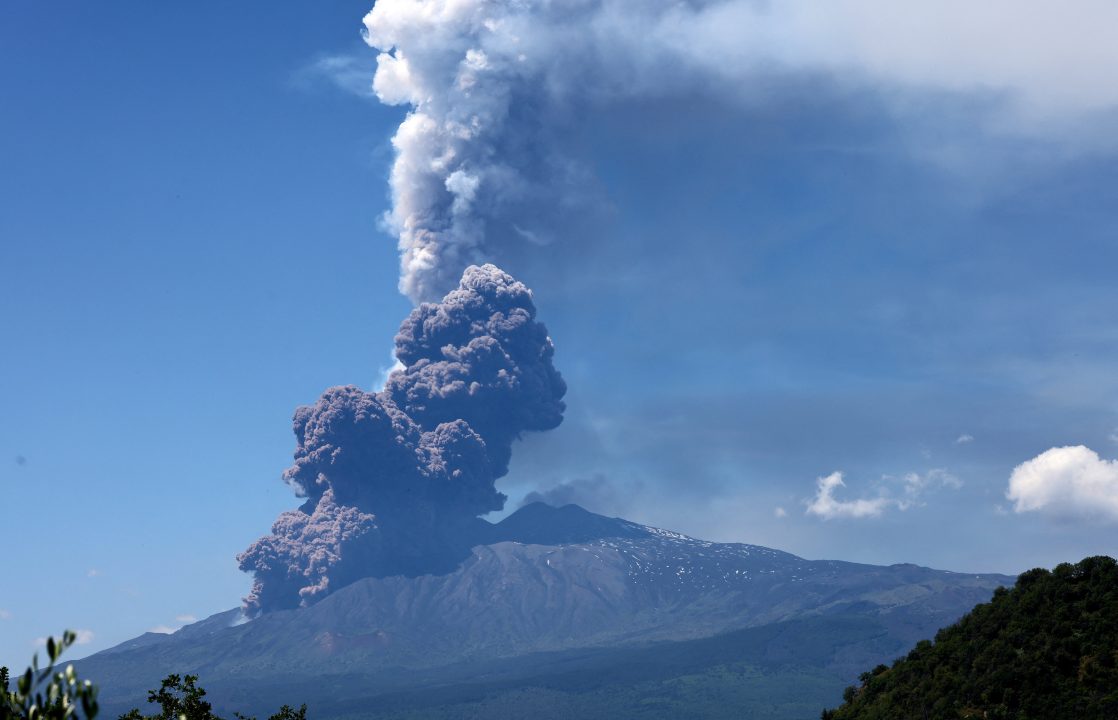
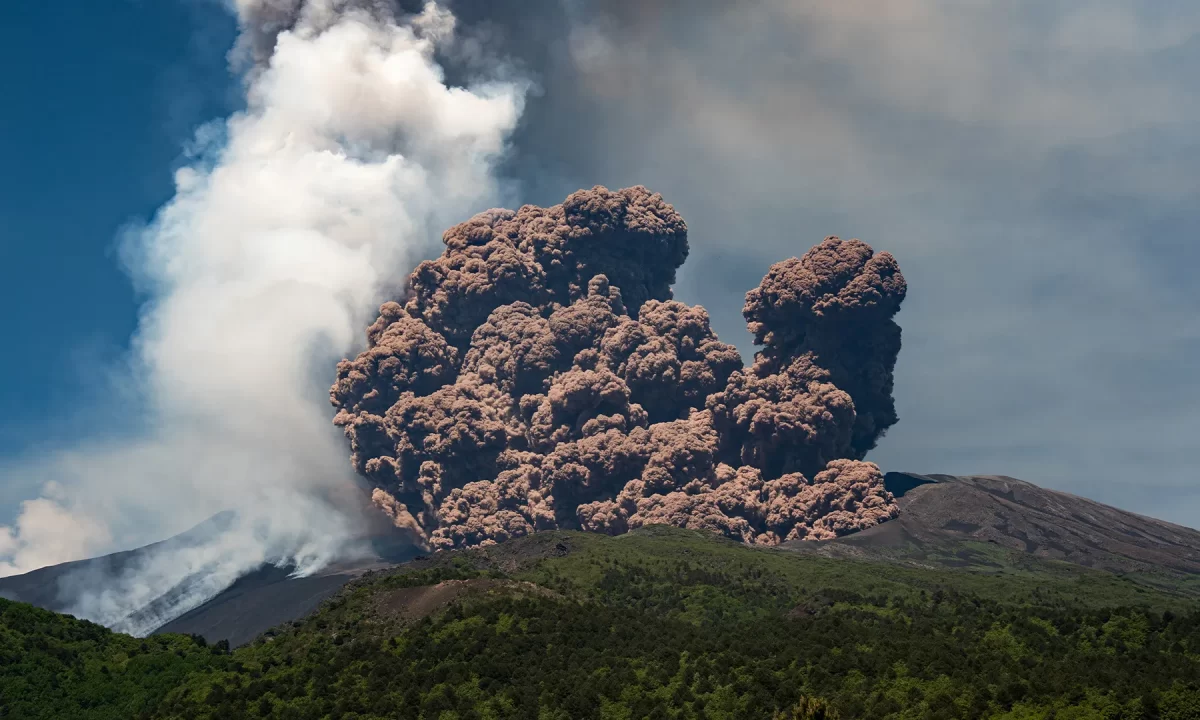
The volcanic activity began late Sunday night with increasing seismic tremors, escalating into continuous explosive eruptions by approximately 3:50 a.m. local time. Lava and pyroclastic flows emerged from Etna’s southeast crater, and ash rose over three miles into the atmosphere, drifting southwest. The Volcanic Ash Advisory Centre in Toulouse initially issued a red alert for aviation due to severe risks, which was later lowered to orange. While Catania Airport remains on high alert, flights are currently operational, though delays or reroutes are possible depending on ash dispersal and weather conditions.
This marks the twelfth significant eruption for Etna this year, with May being a particularly active month. Local authorities have reported only light ashfall in some areas, with no immediate threat to towns, tourist spots, or critical infrastructure. International travel advisories suggest caution but do not restrict travel to Sicily. The U.S. Department of State maintains a Level 2 advisory for Italy, and the UK Foreign Office has updated its guidance for southern Italy, particularly around Mount Etna and Stromboli. Travelers are advised to stay informed and follow local official instructions.
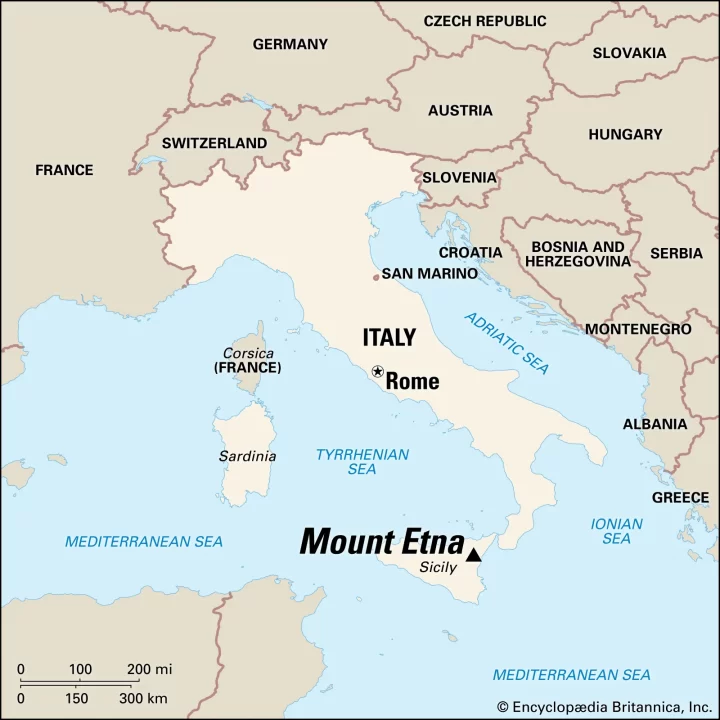
Experts note that forecasting Etna’s future eruptions is challenging due to the unpredictable nature of volcanic activity. Continuous monitoring is crucial for timely alerts. Despite the eruption, much of Sicily continues its daily life, and the tourism industry is accustomed to Etna’s fluctuations. Local communities have well-developed safety practices. Mount Etna is integral to Sicily’s identity, shaping its landscape, enriching its soil, and attracting visitors. While the volcano’s power is evident, Sicily’s preparedness allows for the coexistence of its volcanic majesty and vibrant culture.