
- Regional culinary traditions highlight distinct geographic identities and historical heritages
- Essential travel routes combine legendary landmark diners with hidden neighborhood gems
- Scratch-made dishes and localized ingredients offer authentic community connections
- Food-focused travel directly supports small businesses and seasonal agricultural systems
Embarking on an American food road trip is one of the most exciting ways to experience the rich cultural tapestry and diverse landscapes of the United States. Across the country, regional cuisines tell the unique stories of the people and traditions that shaped them. From iconic coastal seafood shacks to legendary midwestern diners and southern barbecue joints, hitting the open road offers an unforgettable culinary adventure for every type of food lover.
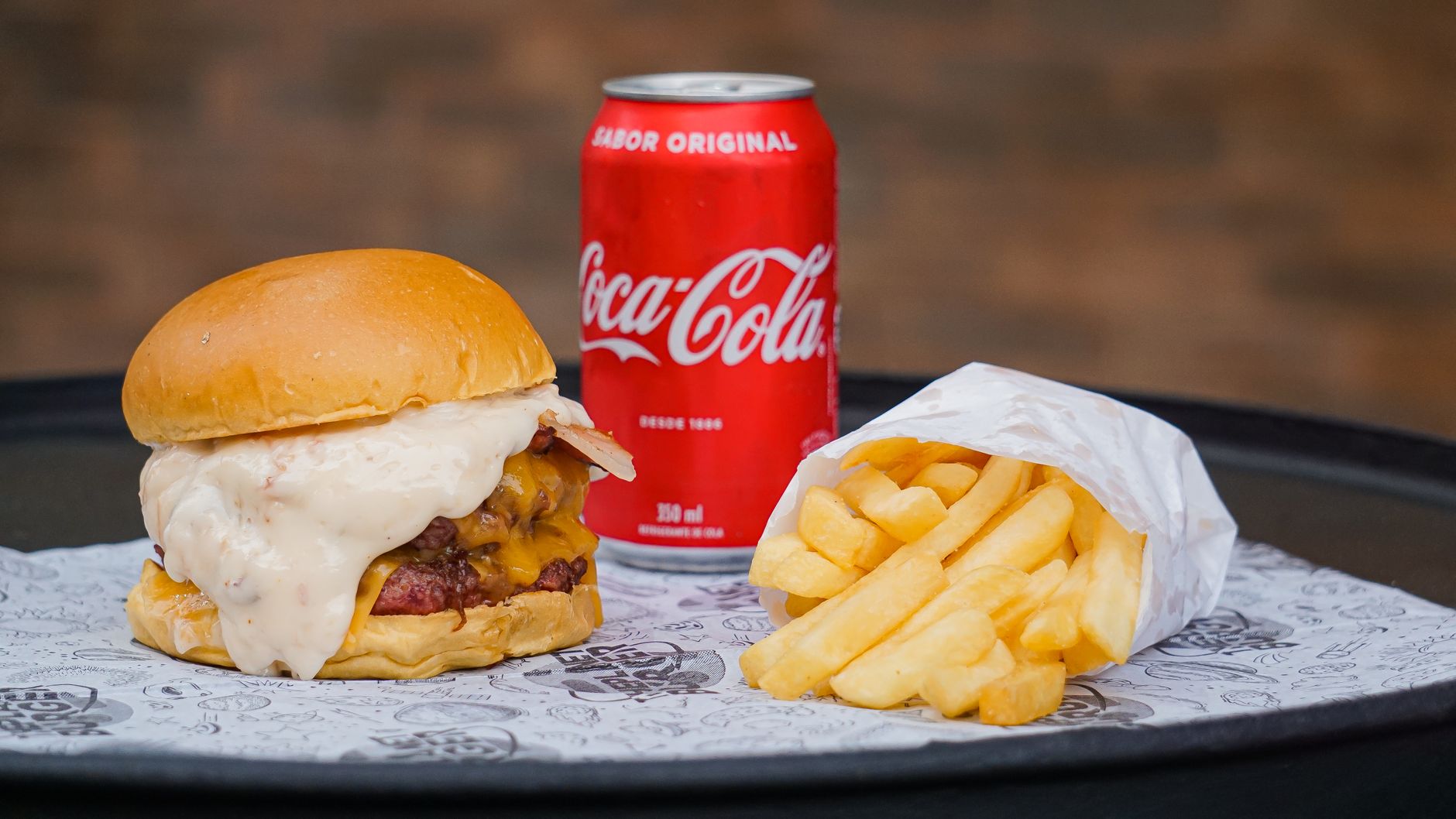
A quintessential food journey often highlights the incredible variety of localized flavors that define American dining. Traveling through New England brings opportunities to savor fresh lobster rolls and hearty chowders, while a trek down south introduces slow-smoked brisket, tangy pulled pork, and classic comfort sides. Moving toward the southwest, menus transform with vibrant Tex-Mex creations and complex chili profiles, leading eventually to the fresh, innovative, and health-forward fusion concepts of the West Coast. These distinct culinary regions showcase how geography, climate, and heritage influence what ends up on the plate.
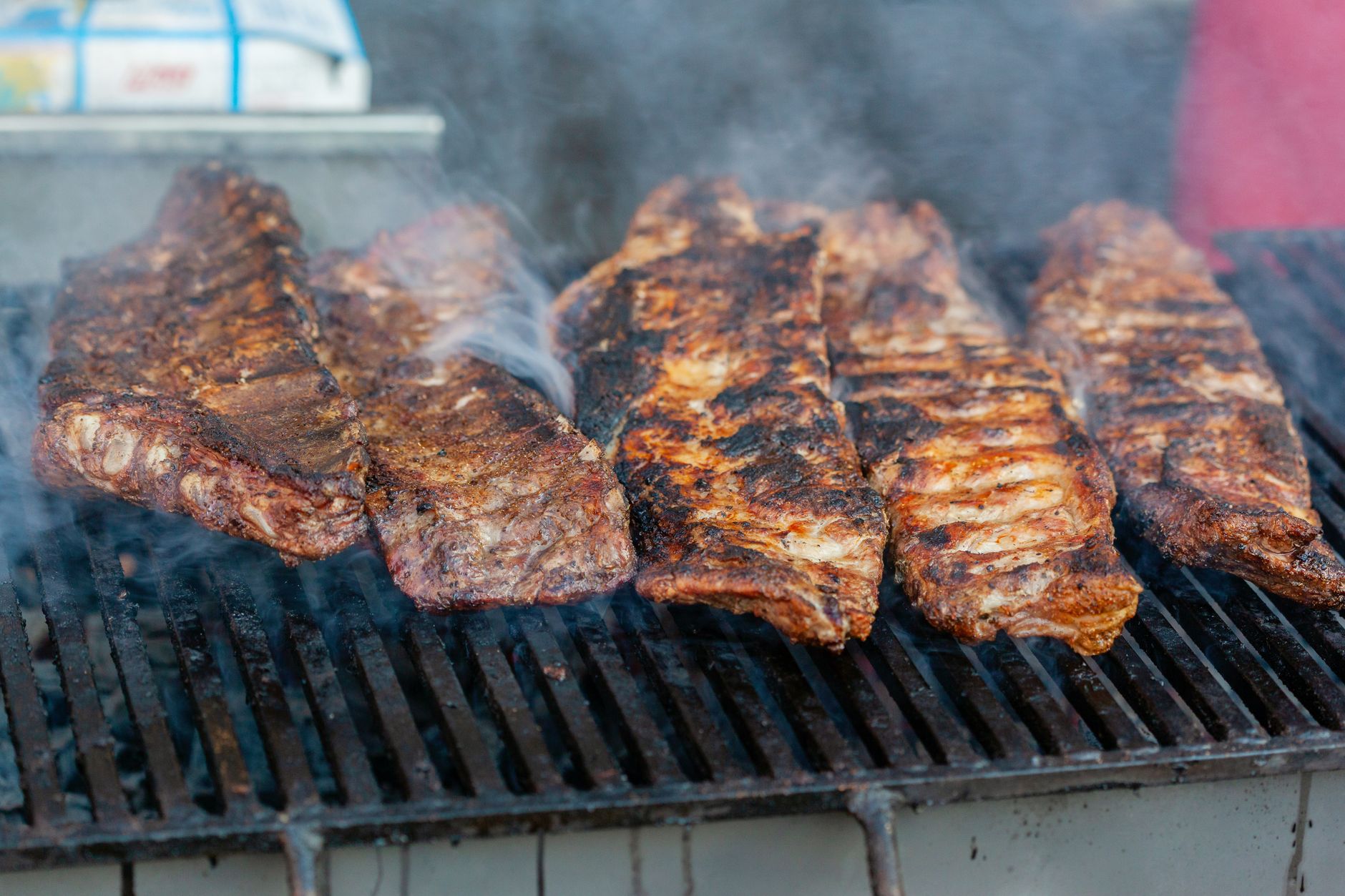
Beyond the famous metropolitan dining capitals, an authentic food road trip shines a spotlight on historic hidden gems and local mom-and-pop establishments. Discovering vintage roadside eateries, farmers markets, and historic community cafeterias allows travelers to connect deeply with locals and enjoy scratch-made dishes prepared from generation-old recipes. Planning a successful culinary route involves balancing a mix of legendary landmark restaurants with spontaneous stops at local food trucks and seasonal produce stands. This immersive approach to travel not only satisfies the palate but also supports small businesses and local food systems, making it a highly rewarding and sustainable way to explore the beautiful highways and byways of America.