
- GLP-1 users represent a strategically vital demographic of higher-income, repeat, and premium-cabin cruisers.
- Guest spending is shifting from high-volume food and alcohol toward experience-driven categories and functional wellness products.
- Luxury and premium cruise segments will see the highest impact as guests seek intentionality and physical comfort.
- Destinations can thrive by offering well-paced excursions that combine light physical activity with authentic cultural storytelling.
The rise of GLP-1 medications is sparking a significant behavioral shift within the cruise industry, particularly among high-value demographics such as premium and luxury travelers. As more passengers adopt these treatments, their habits are moving away from traditional volume-based consumption toward more intentional, quality-focused choices. This transition is not a threat to revenue but rather a recalibration of where and how guests spend their money, with a growing emphasis on wellness, premium non-alcoholic beverages, and meaningful experiences over excessive dining.

Cruise lines are noticing that these guests prefer lighter, protein-rich food options and are more selective about their alcohol intake. This provides a unique opportunity to redefine the “value” of a cruise from “all-you-can-eat” to “all-you-can-experience.” Strategic adjustments in onboard offerings—such as functional hydration products and flexible dining portions—can cater to these evolving needs. By focusing on personalization, cruise lines can maintain stable spending while enhancing guest satisfaction for a demographic that prioritizes feeling good both during and after their vacation.
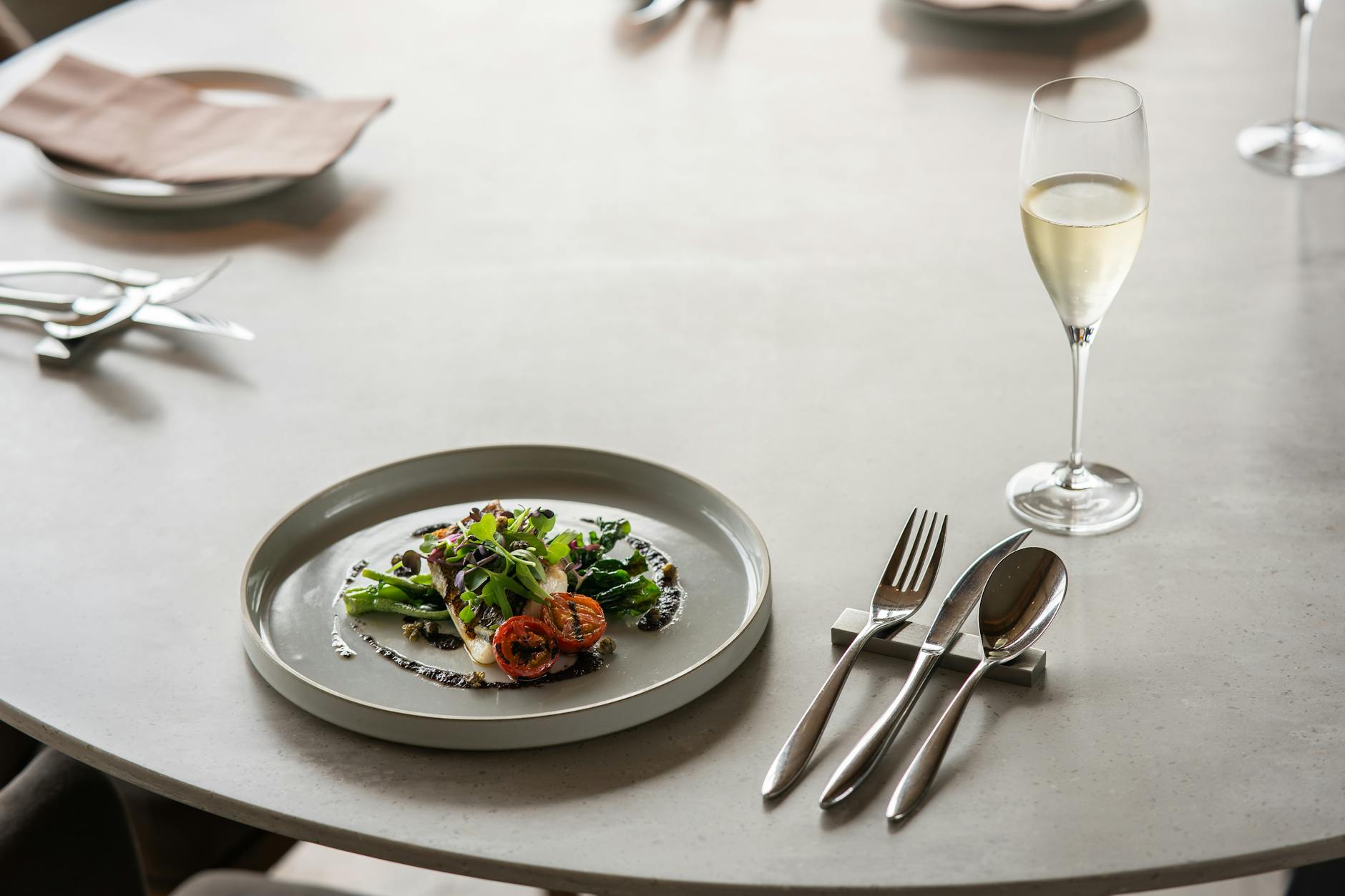
Destinations must also adapt to this shift by moving away from marketing abundance and toward storytelling and physical engagement. Excursions that offer clear physical expectations, such as 10,000-step cultural walking tours or curated culinary tastings, are becoming increasingly popular. When food noise is reduced, the true character of a destination can shine through. Ultimately, the industry’s future success will be defined by how well it offers choices that align with the stable, maintenance-phase lifestyles of this core demographic.