
- Rapid Fleet Preparation: The number of shore-power-equipped cruise ships has surged to 193 across global member lines, with hundreds more scheduled for integration.
- Significant Port Infrastructure Gap: Fewer than three percent of cruise ports worldwide currently feature at least one operational shore power berth.
- Substantial Environmental Benefits: Connecting to local electrical grids allows docked ships to reduce in-port emissions by up to ninety-eight percent.
- Regulatory Momentum: Regional mandates, such as European Union decarbonization requirements, are set to drive essential port-side electrical investments
A comprehensive new environmental report from the Cruise Lines International Association highlights a striking growth trend in ship-side readiness alongside a notable infrastructure lag across global maritime hubs. While cruise lines have more than tripled their shore-power-capable vessels since 2018—reaching 193 ships equipped to plug into local electrical grids while docked—port development has struggled to keep pace. Currently, only 40 ports worldwide, representing fewer than three percent of all global cruise destinations, provide at least one compatible berth for shoreside electricity.
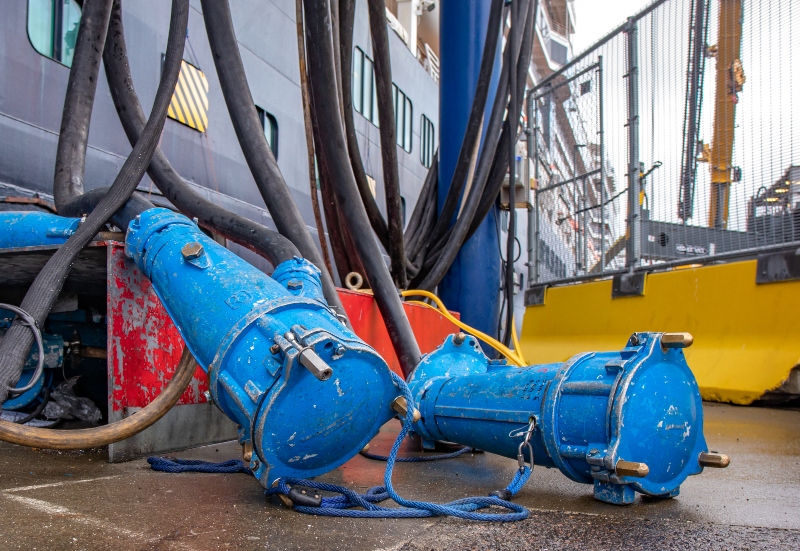
This vital technology allows berthed ships to shut down their auxiliary engines completely, cutting local air emissions by up to ninety-eight percent. Major cruise operators continue to invest heavily in retrofitting existing vessels and building new ships designed with shore power connectivity. However, industry leaders emphasize that realizing the complete environmental potential of these systems requires accelerated, multi-million-dollar investments from port authorities, regional energy providers, and governments. Legislative frameworks like Europe’s Fit for 55 initiative are expected to spur critical port upgrades by mandating shore power at major terminals in the coming years.