
Important Topics To Know
- Economic Scale: The coordinated “America the Beautiful” campaign alone is projected to have a $551 billion total economic impact.
- Visa Efficiency: FIFA PASS reduces visa wait times to an estimated 6–8 weeks, significantly lowering barriers for international attendees.
- Safety Priority: Modernized TSA checkpoints are removing traditional “pain points” like shoe removal and manual ID checks through digital integration.
- Infrastructure Legacy: States like Washington and Georgia are using event revenue to fund permanent urban and transit improvements.
The United States is currently launching a sophisticated, multi-state tourism offensive to capitalize on a historic 2026 calendar. Led by major hubs like Florida, California, New York, and Texas, the federal government is implementing eight strategic measures to streamline travel, enhance security, and maximize the economic impact of upcoming mega-events.
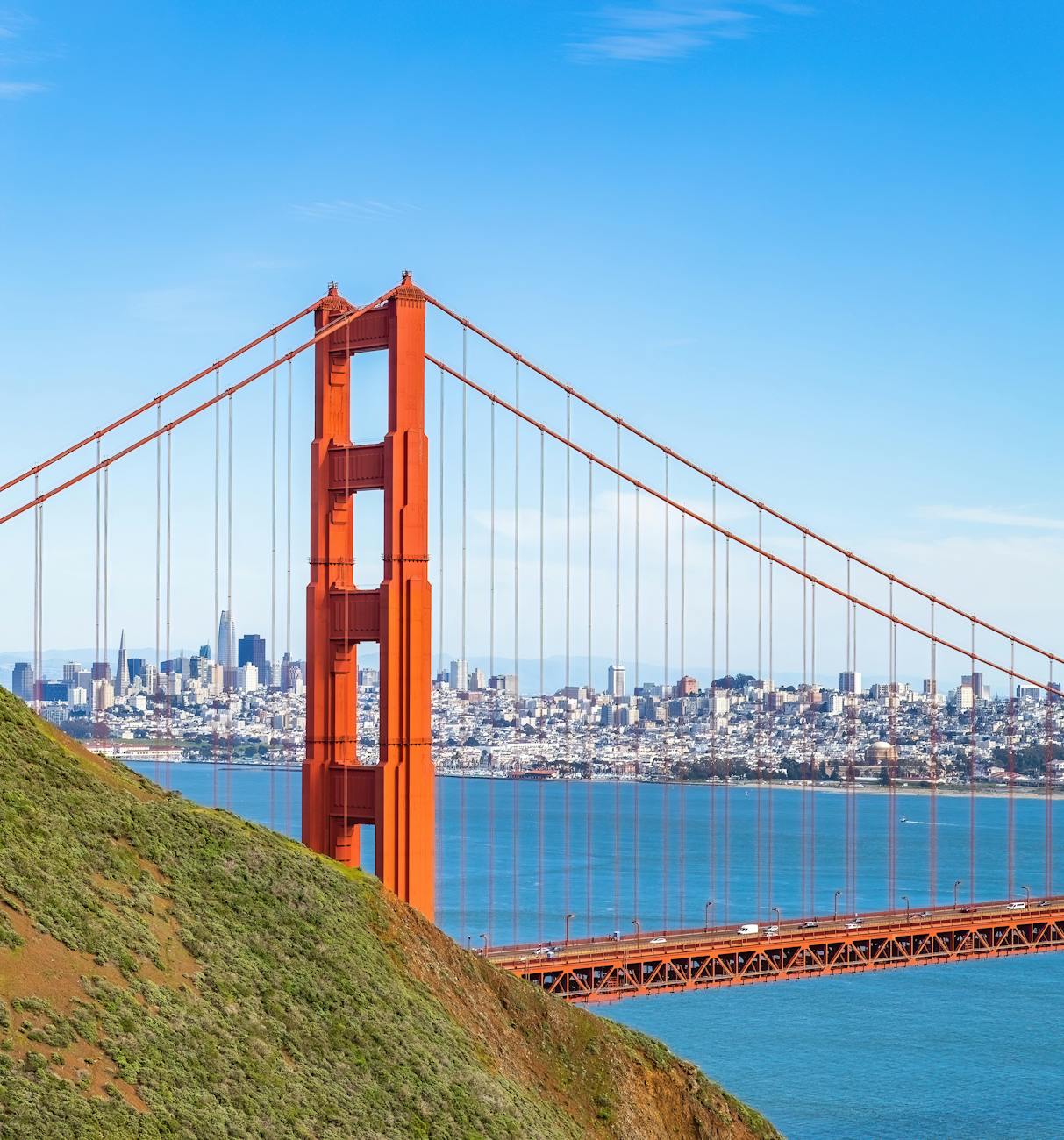
The Eight Strategic Tourism Measures
- “America the Beautiful” Campaign: A global marketing push by Brand USA targeting key markets like India, Japan, and the UK to rebuild inbound demand.
- FIFA PASS: The Priority Appointment Scheduling System fast-tracks visa processing for World Cup ticket holders, aiming to welcome up to 10 million fans.
- VISIT USA Act: Bipartisan legislation reallocating $160 million to restore international marketing and infrastructure funding.
- America250: A nationwide celebration of the country’s 250th anniversary, turning historical milestones into year-long travel opportunities.
- TSA Modernization: A security overhaul featuring CT scanners and biometric integration to reduce friction at major international gateways.
- State Department Confidence: Allocating $40 million for emergency support and charter flight readiness to reassure international travelers of their safety.
- Airline Rerouting Mastery: Strategic coordination to maintain global connectivity despite international airspace disruptions, ensuring continued access to US cities.
- Hospitality Incentives: Aggressive hotel promotions—ranging from 20% to 40% discounts—to encourage longer stays and higher visitor spending.
State-Specific Growth Drivers
- Florida: Miami is positioned as a primary gateway for the World Cup, expecting nearly 1 million visitors and a massive boost to South Beach and Everglades tourism.
- Texas: Dallas and Houston are coordinating a regional “visitor economy,” with Dallas alone projecting a $400 million direct impact from its nine scheduled matches.
- New York: Targeting high-value long-haul markets, specifically India, with projections of 66.3 million total visitors by the end of 2026.
- California: Leveraging SoFi Stadium and its $1.2 billion statewide economic benefit plan to convert sports fans into repeat leisure travelers.