
- Dominance Of Mega Ships: Massive vessels over 165,000 gross tons now account for 40 percent of global shipbuilding orders and will make up nearly three-quarters of new passenger capacity.
- Expansive Onboard Experiences: The unprecedented scale of these new mega-platforms gives engineering teams the space to construct unique themed environments, massive dry slides, and up to 28 distinct dining options.
- Green Propulsion Innovation: The newest wave of contemporary ships leverages sophisticated dual-fuel technology, allowing them to smoothly utilize cleaner alternatives like LNG, bio-LNG, and shore-power grids.
- Carnival Joins Elite Club: Carnival Cruise Line is officially entering the ultra-large segment with Project Ace, a 230,000 gross ton giant capable of hosting approximately 8,000 vacationers.
The contemporary cruise market is experiencing a massive wave of growth as leading global cruise lines lean heavily into ultra-large vessel architecture. Shipyards across Europe are witnessing an unprecedented shift in their production books, driven by a industry-wide desire to expand onboard spaces and offer revolutionary guest experiences. According to fresh maritime data, vessels measuring 165,000 gross tons or larger now comprise fully 40 percent of the global order book and are projected to represent nearly three-quarters of all new capacity additions over the coming decade.
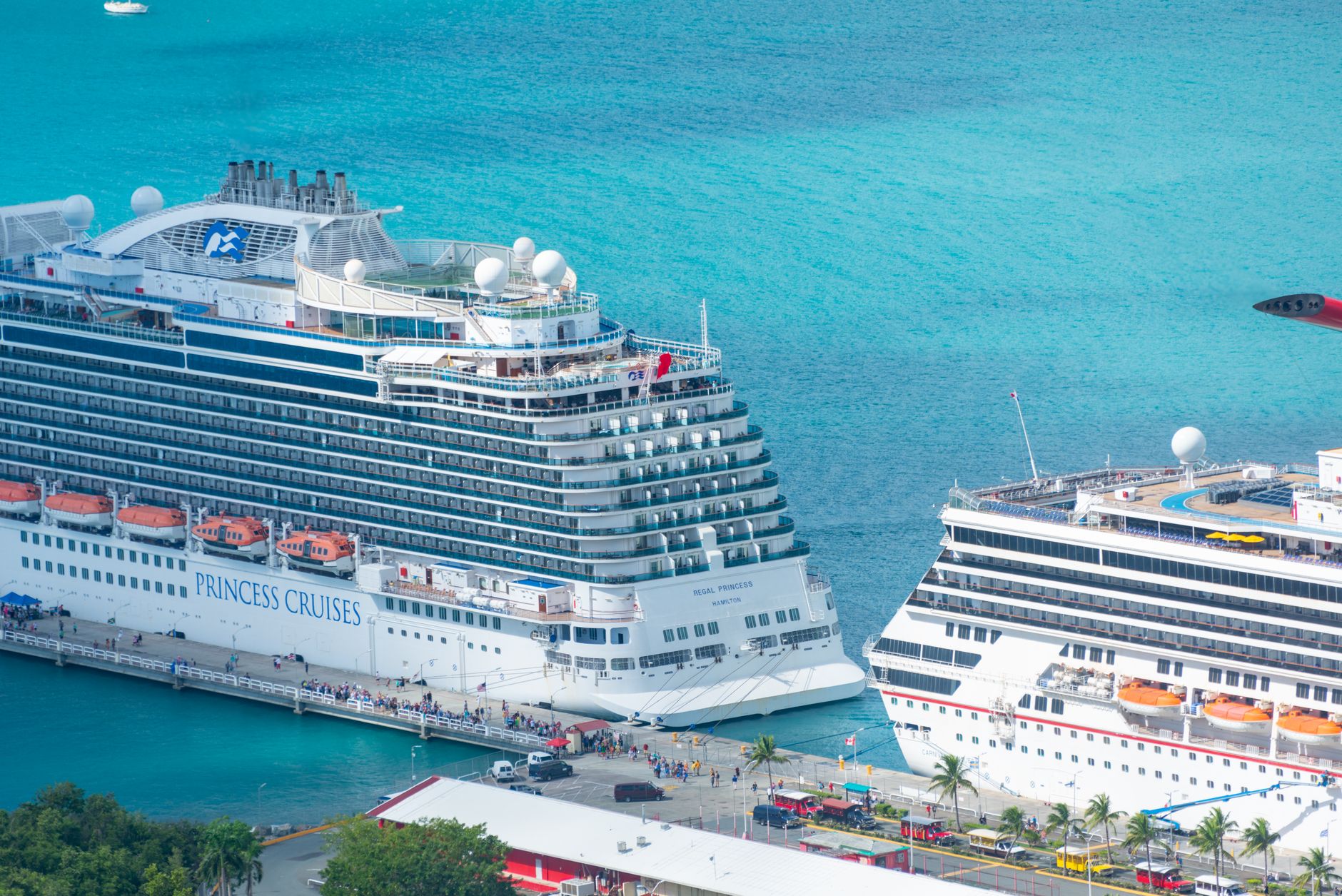
This dramatic shift toward ultra-large platforms is giving cruise lines the physical space required to completely reinvent onboard hospitality, entertainment, and dining. For example, the recently delivered Disney Adventure introduces expansive immersive zones like San Fransokyo Street, while Royal Caribbean’s newly departing Legend of the Seas expands its onboard culinary options to an incredible 28 distinct venues. Meanwhile, MSC Cruises is preparing to launch its third spectacular World Class sister ship, MSC World Asia, featuring over 40 bars and restaurants alongside the longest dry slide at sea. Even brand-new market entries are joining the movement, with Carnival Cruise Line initiating steel-cutting for Project Ace, a massive 230,000-ton vessel designed to carry nearly 8,000 passengers by 2029.
Importantly, these modern giants are setting an impressive new baseline for environmental sustainability. Smaller additions to the mega-ship class, such as TUI’s newly christened Mein Schiff Flow, demonstrate advanced fuel flexibility by operating on eco-friendly liquefied natural gas, bio-LNG, and future e-LNG pathways. Equipped with next-generation catalytic converters and advanced shore-power connections, these forward-thinking vessels can achieve virtually zero emissions while berthed in port. By seamlessly blending eco-conscious propulsion tech with spectacular entertainment spaces, the maritime sector is ensuring that the future of global vacation cruising remains bright, sustainable, and endlessly engaging for independent travelers worldwide.