
- Immersive Interpretation Space: Casa Gangotena introduced Quito: A City in the Andes, an interactive room designed to orient guests with historical, geographical, and cultural context before they explore the city.
- Topographic and Augmented Reality Map: A large Andean relief map uses AR technology and scannable icons to illustrate mountain ecosystems, water cycles, and major historical milestones.
- Historical Timeline Gallery: Archival imagery traces Quito from pre-Incan origins through Alexander von Humboldt’s expeditions to modern infrastructure developments.
- Seamless Cultural Connections: The space links directly to daily hotel mansion tours, rooftop panoramic viewpoints, complimentary visits to the Casa del Alabado Museum, and guided excursions by Metropolitan Touring
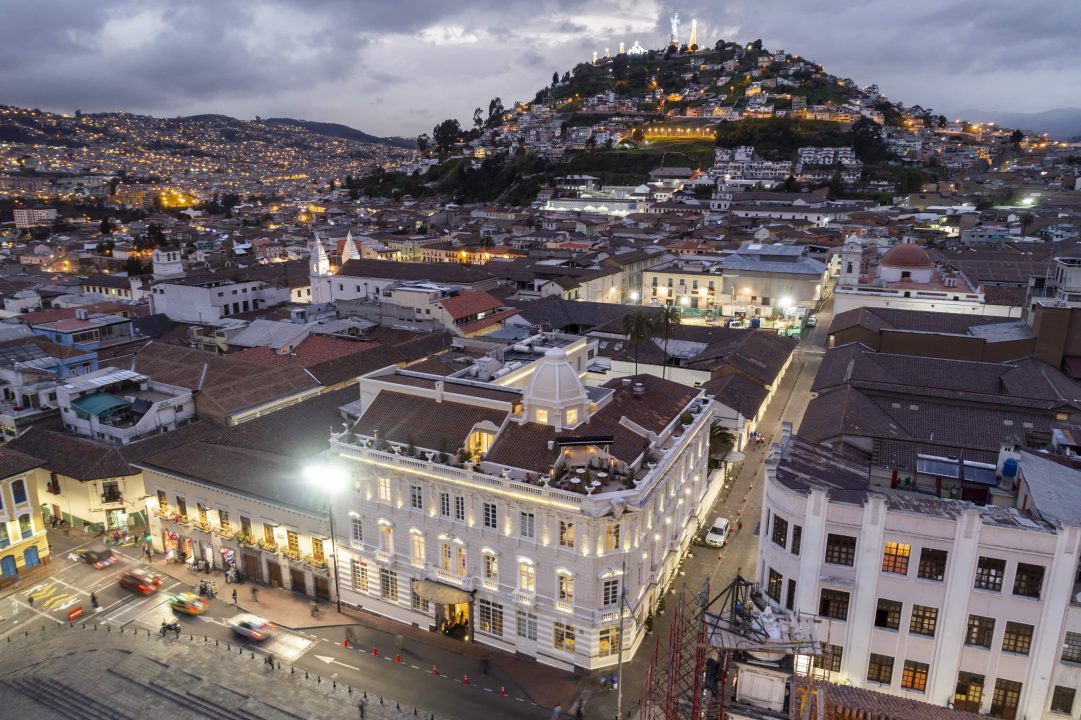
Boutique luxury hospitality in Ecuador has reached an inspiring new height as Casa Gangotena, an award-winning restored mansion overlooking Quito’s historic Plaza San Francisco, officially debuted its dedicated interpretation space titled Quito: A City in the Andes. Designed to enrich the guest journey before visitors step outside to explore, the ground-floor room blends tangible geography, augmented reality, and archival photography to connect travelers with the unique history, biodiversity, and culture of the world’s highest constitutional capital.
At the core of the new experience is a large topographic relief map detailing the dramatic Andean valley, encircling volcanoes, cloud forests, and the nearby Amazon basin. By incorporating interactive augmented reality layers, the installation demonstrates how the high-altitude páramo ecosystem collects and supplies water throughout the region. Guests can scan interactive digital icons to unlock engaging historical videos spanning ancient Yumbo traders, volcanic wonders like Cotopaxi, the 18th-century French Geodesic Mission, and seminal scientific expeditions led by Alexander von Humboldt.
The space also features a curated chronological gallery documenting the evolution of Quito from early indigenous settlements through Spanish colonial architecture to contemporary urban transit. Archival photographs specifically highlight the rich history of Plaza San Francisco and the original estate before its transformation into the palatial mansion enjoyed by guests today. Open to all hotel patrons with upcoming audio guides, this educational initiative allows guests to transform ordinary sightseeing into a deeply contextual exploration of Ecuadorian culture.