
- Carnival Corporation performed the first mobile LNG bunkering in Latin America and the Western Caribbean
- The operation supports a net-zero greenhouse gas emissions goal by 2050
- LNG usage reduces direct carbon emissions by up to 20 percent
- Isla Tropicale in Roatán has generated $750 million in local economic impact since 2009
Carnival Corporation has achieved a significant milestone in sustainable maritime travel by successfully completing the first Liquefied Natural Gas (LNG) bunkering operation in Latin America and the Western Caribbean. This historic event took place at Isla Tropicale in Roatán, Honduras, where the Carnival Jubilee was refueled using an innovative mobile solution. This development represents a major step forward in the company’s comprehensive decarbonization strategy, which aims to achieve net-zero greenhouse gas emissions from ship operations by 2050.
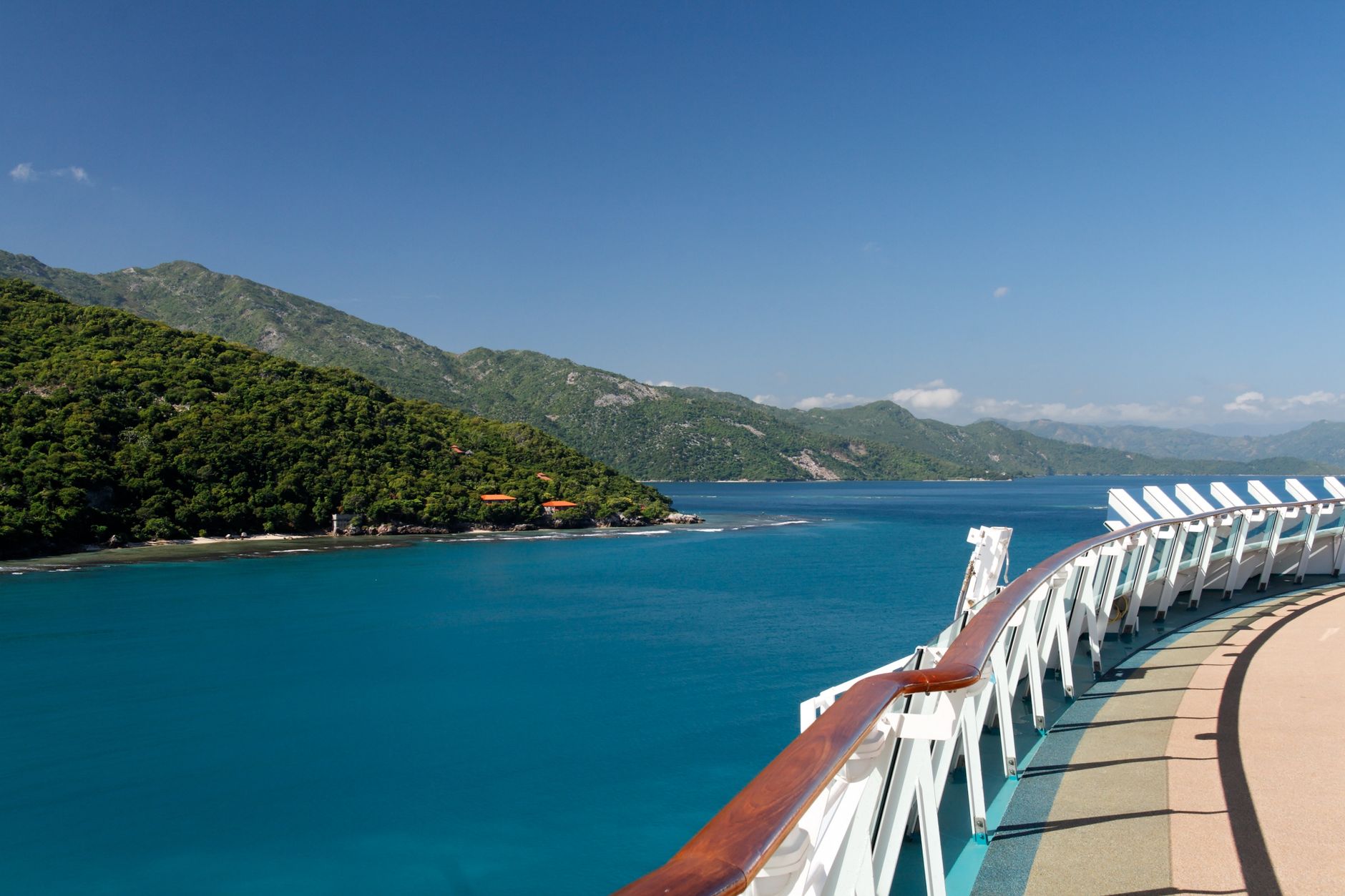
By introducing this new fueling capability to the region, Carnival Corporation is optimizing its Western Caribbean itineraries while demonstrating a practical commitment to cleaner energy. LNG is currently one of the most effective, scalable fuels available for the maritime industry, offering a reduction in direct carbon emissions of up to 20 percent compared to traditional fuels, while nearly eliminating nitrogen oxides, sulfur oxides, and particulate matter. The company remains a leader in this field, currently operating 11 LNG-capable ships with plans to expand this fleet significantly in the coming years.
The choice of Roatán as the site for this operation highlights the strategic importance of the island and reflects the success of ongoing public-private collaboration. Carnival Corporation has invested $93 million in Isla Tropicale since 2009, creating over 1,300 local jobs and generating a substantial economic impact for the region. Furthermore, the destination has received recognition for its environmental stewardship, including the prestigious Honduras Blue Flag Award. This successful bunkering operation not only advances the future of maritime energy but also showcases how major travel organizations can partner with local governments to support environmental health and economic resilience. Through such initiatives, the industry continues to evolve, proving that operational efficiency and environmental responsibility can go hand in hand for the benefit of global travelers and local communities alike.