
- The escalating conflict involving Iran and shipping risks in the Strait of Hormuz are driving global markets away from Middle Eastern energy routes.
- Canada is emerging alongside nations like the United States, Russia, and Brazil as a dominant global leader in oil and liquefied natural gas supply.
- Major Canadian infrastructure assets, including the massive LNG Canada facility in British Columbia, are critical for directing secure energy exports to international buyers.
- Global energy consumers are actively prioritizing supply chain diversification and political stability over traditional, highly volatile trade routes.
Canada is rapidly positioning itself as a cornerstone of the global energy sector, joining the ranks of the United States, Russia, Brazil, Norway, Mexico, and Colombia. This coalition of nations is emerging as the premier supplier of global oil and liquefied natural gas (LNG). The strategic pivot toward these Americas-based and transatlantic suppliers comes as international markets aggressively shift away from historical Middle East energy routes.
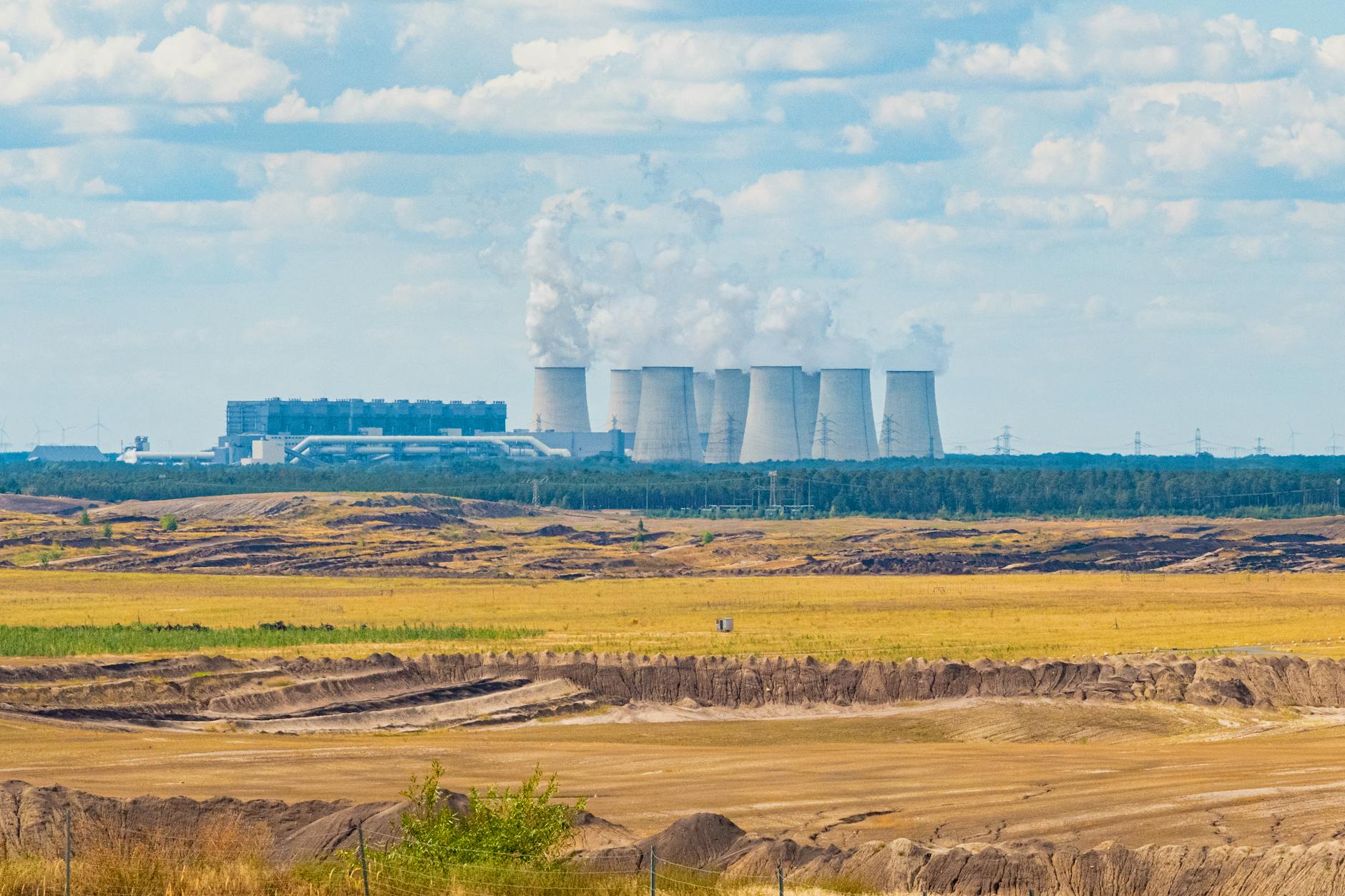
This drastic transition in the global trade framework is primarily catalyzed by escalating geopolitical instability, specifically the direct threat of war involving Iran and ongoing vulnerabilities surrounding critical maritime choke points like the Strait of Hormuz. Because the risk of severe disruptions along traditional Middle Eastern supply channels remains high, international buyers are prioritizing long-term security. They are increasingly seeking out politically stable partners with vast resource reserves.
Canada is capitalizing heavily on this market transformation by expanding its infrastructure and advancing major export ventures. The nation is progressing with key developments like the LNG Canada project in Kitimat, British Columbia, while simultaneously planning crucial pipeline expansions to bolster its crude transport capacity. These infrastructure investments enable the country to seamlessly distribute energy to both European and Asian markets, fulfilling the resource needs of nations that are desperate to diversify their imports. By transforming its vast natural asset wealth into a highly coordinated, secure export network, Canada is cementing its economic future and establishing itself as an indispensable anchor for global energy security during a time of intense geopolitical volatility.
Four important topics to know from the writing: