

- Proactive Safety Measures: In response to escalating conflict, widespread airspace closures were enacted over Israel, Iran, Iraq, and Jordan, and civilian flights were suspended at Ben Gurion Airport to ensure safety.
- Major Airlines Adapt Operations: Leading international carriers, including Emirates, Lufthansa, British Airways, and United, took swift action by suspending services to the region and rerouting flights away from conflict zones.
- Significant Global Air Travel Disruption: The events caused over 700 flight delays and cancellations, significantly impacting major international hubs like Dubai, Sharjah, and Amman and disrupting one of the world’s busiest air corridors.
- International Travel Warnings Issued: Governments, including those of the UK, France, and Germany, have issued strong travel advisories, warning their citizens to avoid or use caution when traveling to the affected region.

In a powerful demonstration of the global aviation industry’s commitment to safety and operational excellence, airlines and authorities have responded with impressive coordination to the recent rise in geopolitical tensions in the Middle East.
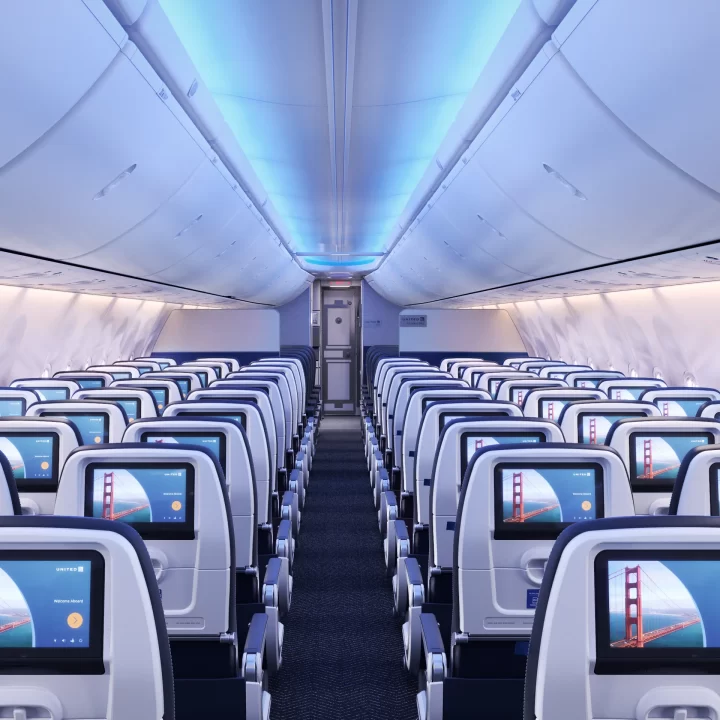
With passenger and crew well-being as the foremost priority, carriers like Emirates, Lufthansa, British Airways, and United successfully adapted their flight plans, ensuring the continued safety of international travelers.

Following the developing situation between Israel and Iran, a series of proactive and well-managed decisions were made across the region. Key airspaces were temporarily adjusted, and major airports including Ben Gurion, Dubai, Sharjah, and Amman implemented carefully planned operational measures.

While these necessary safety protocols led to flight cancellations and delays, they highlight the industry’s robust ability to manage complex situations in real time. The successful rerouting of flights through safe, alternative corridors showcases the resilience and sophisticated logistical capabilities of the global aviation network.

This coordinated effort reflects a highly prepared system where communication between airlines, airports, and regulatory bodies works effectively to protect everyone in the skies. As the situation evolves, the industry’s focus remains on providing secure and reliable service.

For travelers, this means that even during moments of regional uncertainty, the systems in place are designed to ensure their journey continues as safely as possible. The professional handling of these disruptions provides confidence in the aviation sector’s ability to navigate global challenges.