

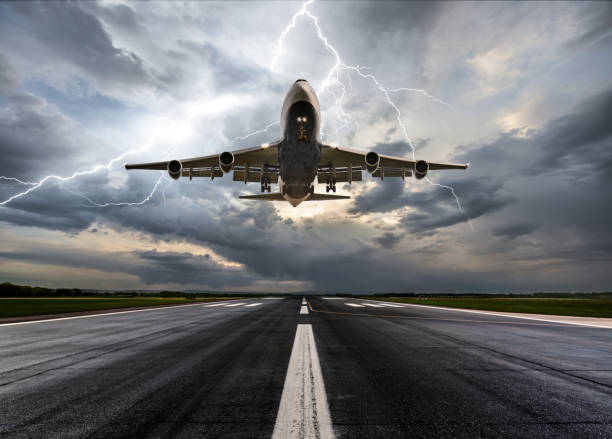
- Widespread Weather Disruptions: Severe thunderstorms and high winds caused significant flight disruptions at numerous major U.S. hubs, including Chicago, Dallas, Charlotte, and New York.
- Over 2,500 Flights Affected: More than 2,500 flights were proactively delayed or canceled across the country as a necessary safety measure in response to the adverse weather.
- Coordinated Industry-Wide Response: Major domestic and international airlines, in coordination with airports and the FAA, managed the operational challenges to ensure safety.
- Focus on Passenger Safety and Recovery: The primary driver for the disruptions was passenger and crew safety, with airlines now focused on re-accommodating affected travelers and resuming normal schedules.
The U.S. aviation industry demonstrated its remarkable resilience and unwavering commitment to safety this week as severe weather systems moved across the nation. In a highly coordinated effort, major airports from Chicago O’Hare and Dallas-Fort Worth to hubs along the East Coast skillfully managed flight operations amidst challenging conditions, always prioritizing the well-being of passengers and crew.
Leading airlines, including United, American, Delta, and JetBlue, alongside their international partners, responded to the weather with impressive agility and care. While the conditions necessitated proactive adjustments, resulting in over 2,500 flight delays and cancellations, these decisions were made to ensure the highest standards of safety. Air traffic controllers, ground crews, and airline teams worked in seamless collaboration to manage schedules, reroute aircraft through clear corridors, and provide timely updates to keep travelers informed.
For affected passengers, airlines focused on providing support and clear communication, offering rebooking assistance to get everyone to their destinations as safely and efficiently as possible. This large-scale, coordinated response is a testament to the robust planning and sophisticated communication protocols that underpin the modern aviation network. The industry’s ability to navigate such widespread disruptions provides travelers with confidence, knowing their safety is always the top priority.