
- Surging Fuel Expenditures: U.S. carriers experienced a 78 percent rise in monthly fuel spending, reaching nearly 6.5 billion dollars despite maintaining stable fuel consumption levels.
- Revised Profit Projections: The International Air Transport Association lowered its 2026 global airline profit forecast from 41 billion dollars to 23 billion dollars as carriers absorb higher energy expenses.
- Proactive Operational Adjustments: Major global airlines are actively reshaping their schedules, suspending select summer routes, and trimming short-haul flights to maximize fleet efficiency.
- Supply Chain Dynamics: Geopolitical tensions impacting major shipping channels like the Strait of Hormuz serve as the primary catalyst behind rising jet fuel and crude oil pricing.
The global aviation industry is demonstrating remarkable resilience and adaptability as it navigates a shifting economic landscape. According to recent data from the Bureau of Transportation Statistics, U.S. airlines spent nearly 6.5 billion dollars on jet fuel in April. Although this represents a notable 78 percent increase from the previous year, passenger demand remains robust. Carriers are actively managing these expenses through smart scheduling, optimizing routes, and implementing strategic fare adjustments to maintain high-quality service standards.
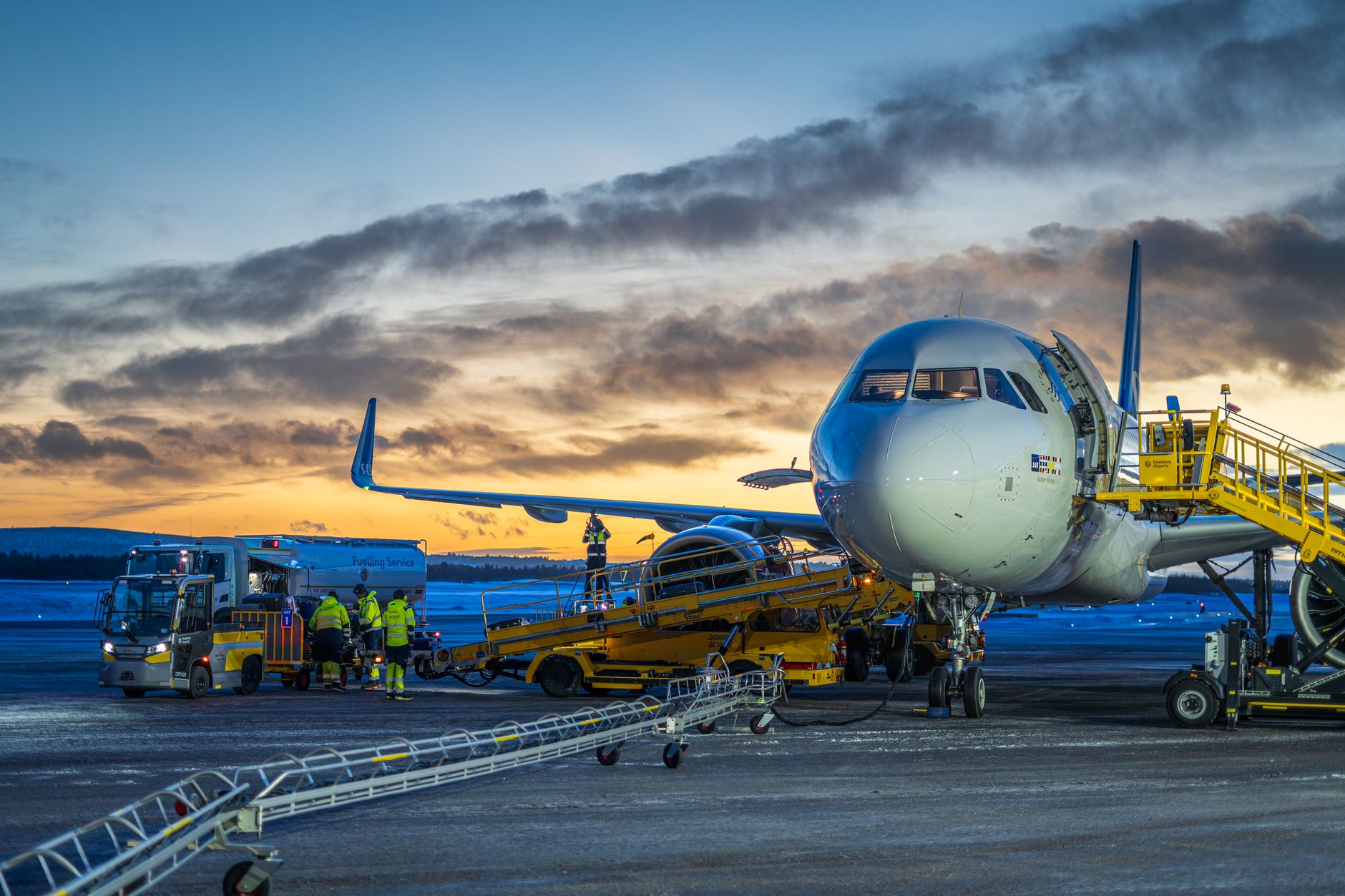
While geopolitical factors affecting supply lines in the Middle East have pushed average jet fuel prices toward 152 dollars per barrel, airlines are proactively adjusting their business models. The International Air Transport Association, known as IATA, adjusted its global net profit projection for 2026 to 23 billion dollars, showcasing that the industry remains firmly in profitable territory despite absorbing significant cost shocks. Fuel is now anticipated to comprise just over 31 percent of airline operational budgets, inspiring companies to innovate and find new efficiencies across their networks.
Major international carriers, including American Airlines, Delta, United, Lufthansa, and Air Canada, are successfully balancing their networks by temporarily trimming seasonal schedules and optimizing high-demand pathways. These tactical updates ensure that resources are deployed where they are needed most, keeping global travel reliable and efficient. By focusing on streamlined operations and resilient financial planning, the aviation sector continues to connect the world safely and reliably, laying a stable foundation for long-term sustainable growth.