
- Hybrid Maritime Operational Frameworks: Rather than replacing human personnel entirely, modern shipping technology is focused on creating an optimized partnership between intelligent software and seasoned crew members.
- Substantial Environmental Footprint Benefits: Implementing smart route-planning systems allows deep-sea operators to make real-time course adjustments that trim fuel consumption and carbon emissions significantly.
- Proactive Predictive Maintenance Pillars: Onboard artificial intelligence networks constantly audit heavy machinery data to identify mechanical flaws and system abnormalities before expensive failures occur at sea.
- Strategic Safety Inversion Trends: Delegating routine manual checks and high-risk docking procedures to computers mitigates operational stress, enabling navigators to maintain exceptional situational awareness
The global maritime sector is standing on the brink of a fascinating digital revolution as artificial intelligence and advanced automation redefine long-standing traditions of ocean navigation. While the idea of fully uncrewed, autonomous ghost ships traveling across deep ocean trenches captures public imagination, the true trajectory of modern shipping is focused on a cooperative hybrid framework. Prominent industry innovators are demonstrating that the ultimate path forward relies on integrating high-tech machine learning systems with the irreplaceable practical wisdom and split-second decision-making of experienced human seafarers.
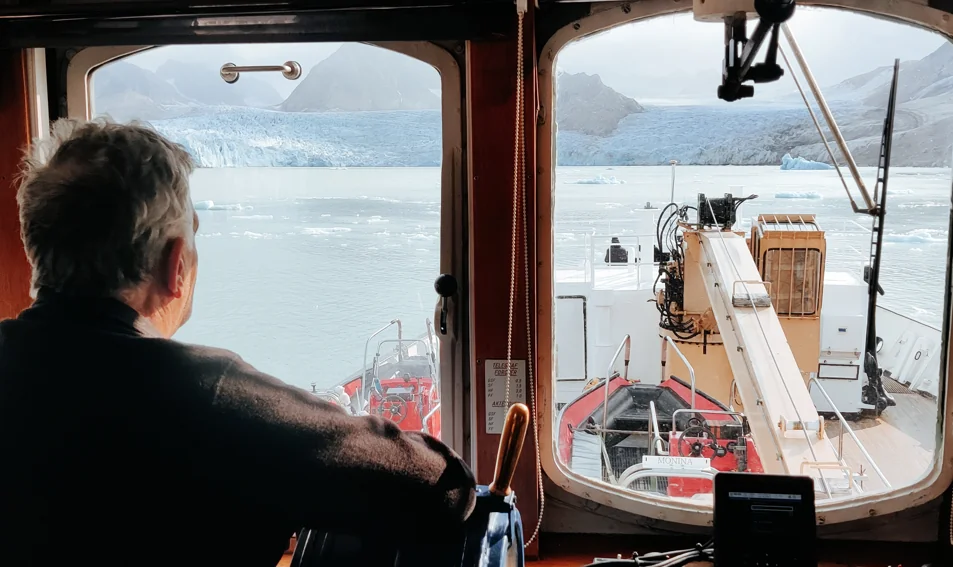
Rather than looking to eliminate crews, the maritime industry is deploying sophisticated predictive analytics to serve as an indispensable auxiliary lookout tool. Advanced software platforms excel at filtering complex data streams, evaluating real-time weather parameters, and analyzing localized marine traffic patterns to optimize routes. This level of automated foresight enables vessels to achieve an impressive seven percent reduction in both carbon dioxide emissions and overall fuel consumption, advancing the global shipping sector’s environmental stewardship goals.
Furthermore, automated technology plays a monumental role in maximizing maritime safety by systematically targeting human error, which remains a leading cause of deep-sea collisions. From robotic hull-inspection submersibles that detect structural corrosion early to intuitive auto-docking programs that seamlessly guide massive liners into tight berths, automation effortlessly streamlines dull or dangerous tasks. By reducing physical bridge workloads and managing predictable operations, smart ship networks allow maritime personnel to focus entirely on macro-level logistics and strategic safety oversight, ensuring a highly reliable, cost-effective, and deeply inspiring future for international trade.