
- American Airlines is launching automated electronic boarding gates at its DFW hub starting in summer 2026.
- The touchscreen gates automatically validate boarding passes to reduce jet bridge congestion and improve traffic flow.
- Initial installations will be located at the Terminal C pier expansion and the new Terminal A extension.
- This technology allows gate agents to spend more time providing direct, high-quality service to passengers
American Airlines is ushering in a new era of convenience at Dallas-Fort Worth International Airport (DFW) with the official launch of electronic boarding gates. Starting this summer, travelers will experience a transformed boarding process that prioritizes speed, clarity, and a seamless flow from the gate to the aircraft. This innovative rollout follows a successful pilot program in late 2025, during which both passengers and airline staff provided overwhelmingly positive feedback on the technology’s ease of use.
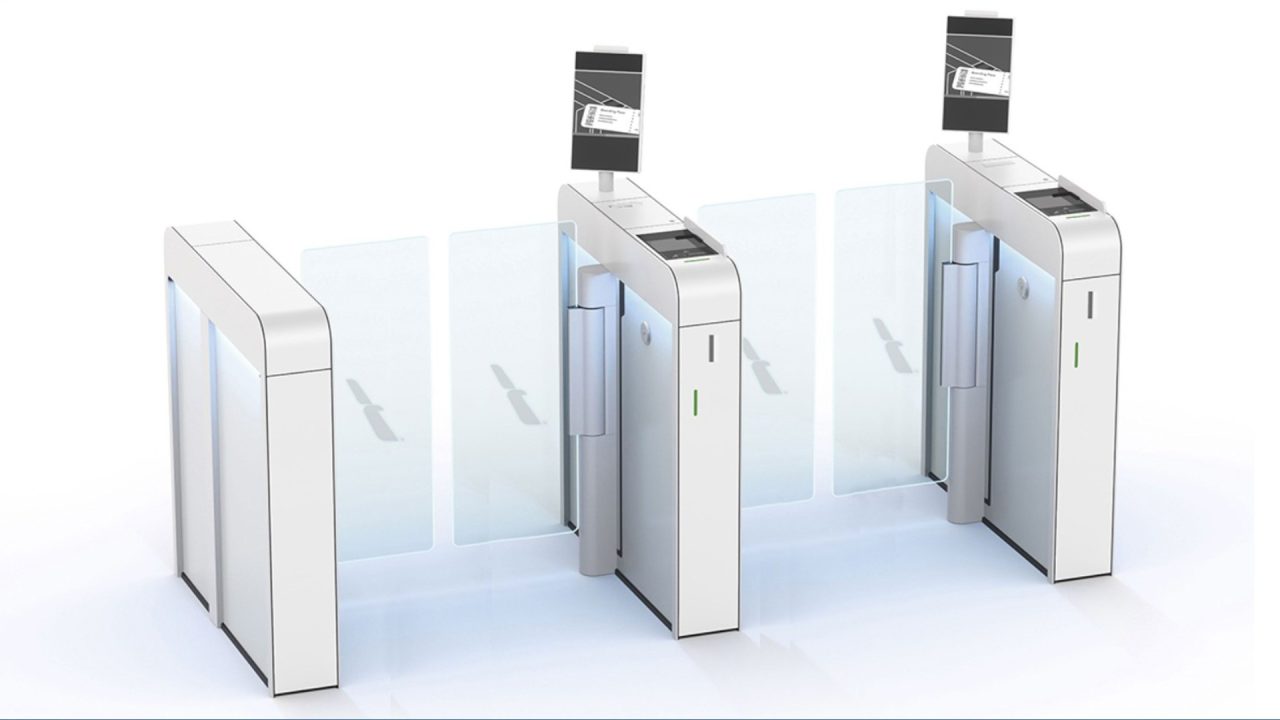
The new system features approximately 20 Dormakaba Argus Air XS electronic gates, initially appearing in the Terminal C pier expansion and later extending to Terminal A. These gates provide intuitive, touchscreen instructions that guide passengers through the process of scanning their own boarding passes. Once the pass is automatically validated, the gate opens to allow the traveler through. This automation is designed to regulate the pace of boarding, significantly reducing the congestion that often occurs on jet bridges. By streamlining these technical tasks, American Airlines can empower its gate agents to focus more on high-value customer service and personalized assistance.
As the first major U.S. carrier to implement this technology at scale in a hub airport, American Airlines is setting a modern standard for domestic travel. The initiative is part of a broader “DFW Forward” modernization project, which includes billions of dollars in infrastructure upgrades to strengthen the airport’s capacity and resilience. Following the initial DFW rollout, the airline plans to expand these electronic gates to other key hubs and gateway airports across its network. This commitment to digital innovation ensures that the final moments before a flight are as consistent and stress-free as possible, providing travelers with the confidence they need for a smooth and enjoyable journey.