
- Strategic Air Traffic Management: Hub airports and air traffic controllers utilize precise flight pacing and proactive metering to safely navigate seasonal weather patterns.
- Proactive Ground Coordination: Dispatchers, maintenance specialists, and gate personnel work seamlessly to re-sequence flights and minimize disruption across connecting banks.
- Enhanced Digital Communication: Passengers benefit from automated mobile notifications and instant in-app rebooking capabilities to navigate gate and flight changes smoothly.
- Resilient Aviation Ecosystem: Continuous cooperation between government regulators, airline operators, and airport teams maintains strong safety standards and systemwide flow
The United States aviation system is demonstrating remarkable coordination and operational agility as airlines and airport authorities manage late-summer travel flows across key domestic hubs. Reporting featured by Travel and Tour World highlights how commercial carriers, ground operations, and federal air traffic managers work in tandem to navigate variable regional weather conditions and heavy passenger traffic. While late-summer thunderstorm patterns across major air corridors can occasionally require measured schedule calibrations and traffic metering, proactive airport management and carrier responsiveness are keeping travelers informed and journeys moving smoothly.
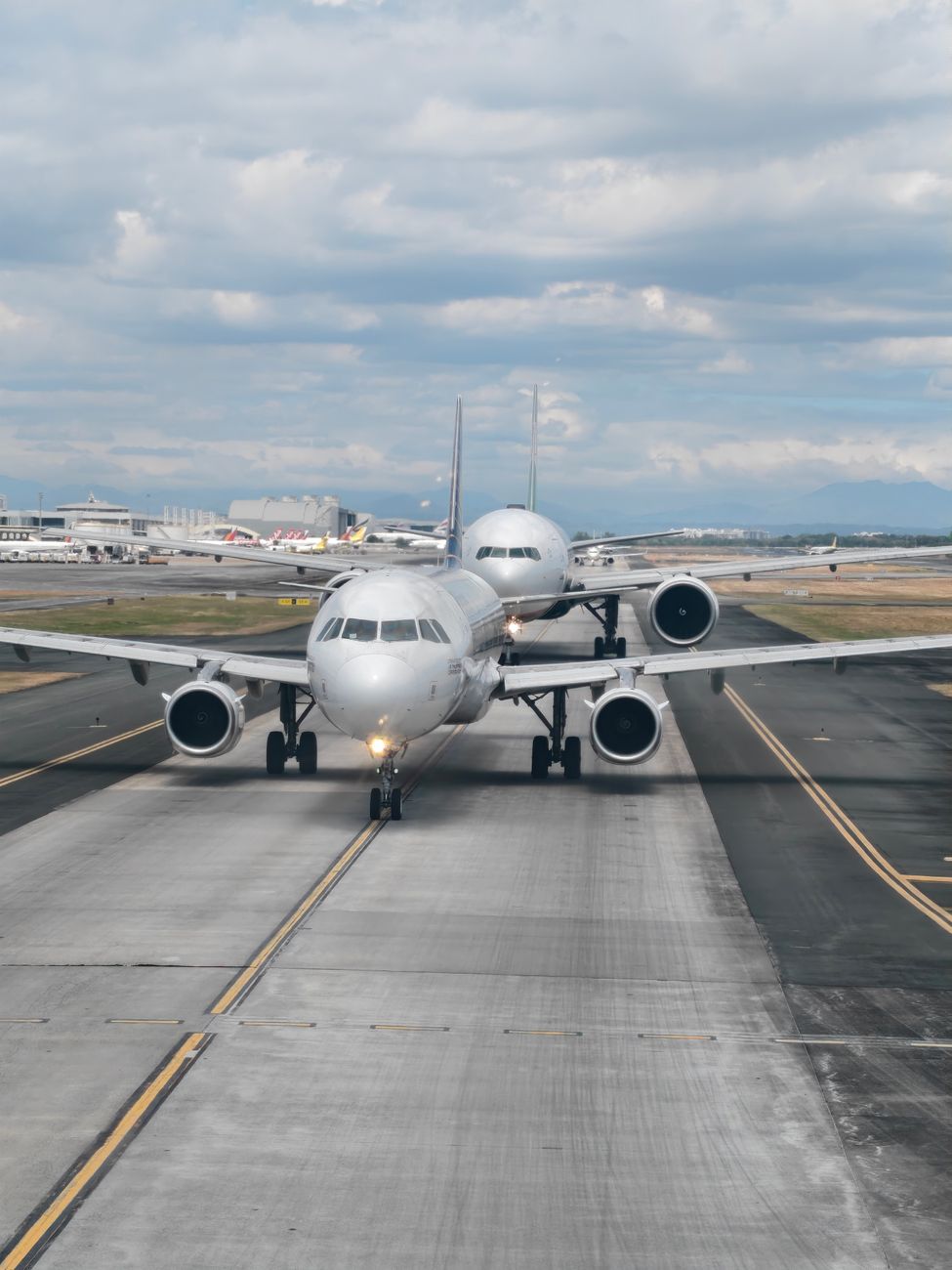
Aviation teams across major transit gateways—including key midwestern and eastern hubs like Chicago, Atlanta, New York, and Boston—routinely deploy advanced radar tracking and air traffic pacing to prioritize flight safety during shifting weather fronts. Ground crews, gate agents, and flight dispatchers collaborate closely to minimize turnaround times and safely absorb transient delays. Rather than letting isolated bottlenecks compound into widespread network stalls, modern hub-and-spoke operations enable airlines to dynamically re-sequence departures and protect passenger itineraries.
Equally transformative is the passenger-facing digital infrastructure deployed across modern air fleets. Mobile airline platforms, automated push notifications, and self-service rebooking portals provide passengers with clear, real-time visibility into aircraft status, gate assignments, and connection options. This empowers vacationers and business travelers alike to make well-informed adjustments directly from their smartphones, eliminating the need to wait in long customer service lines.
By integrating predictive weather analytics, flexible flight rescheduling policies, and clear traveler communication, the American aviation network continues to reinforce its operational durability. As peak travel periods transition into the autumn season, collaborative management between aviation regulators and airline teams ensures that passengers across the country enjoy safe, reliable, and well-supported air travel experiences.