
- Starting in May, passengers are limited to two portable chargers per person with a maximum capacity of 100 watt hours each.
- Portable chargers must remain visible and accessible throughout the flight and cannot be stored in overhead bins.
- The use of in-seat power outlets to recharge portable power banks is strictly prohibited while on board the aircraft.
- These restrictions are part of an industry-wide effort to reduce fire risks caused by lithium-ion battery malfunctions.
American Airlines is updating its onboard safety protocols by introducing new restrictions on portable charging devices starting May 1, 2026. This move aligns with a broader industry trend focused on mitigating the risks associated with lithium-ion batteries. While these power banks are essential for modern travelers, they have been identified as a significant source of fire-related incidents on aircraft. By implementing these clear guidelines, the airline aims to maintain a secure environment for all passengers and crew members while ensuring travelers stay connected during their journey.
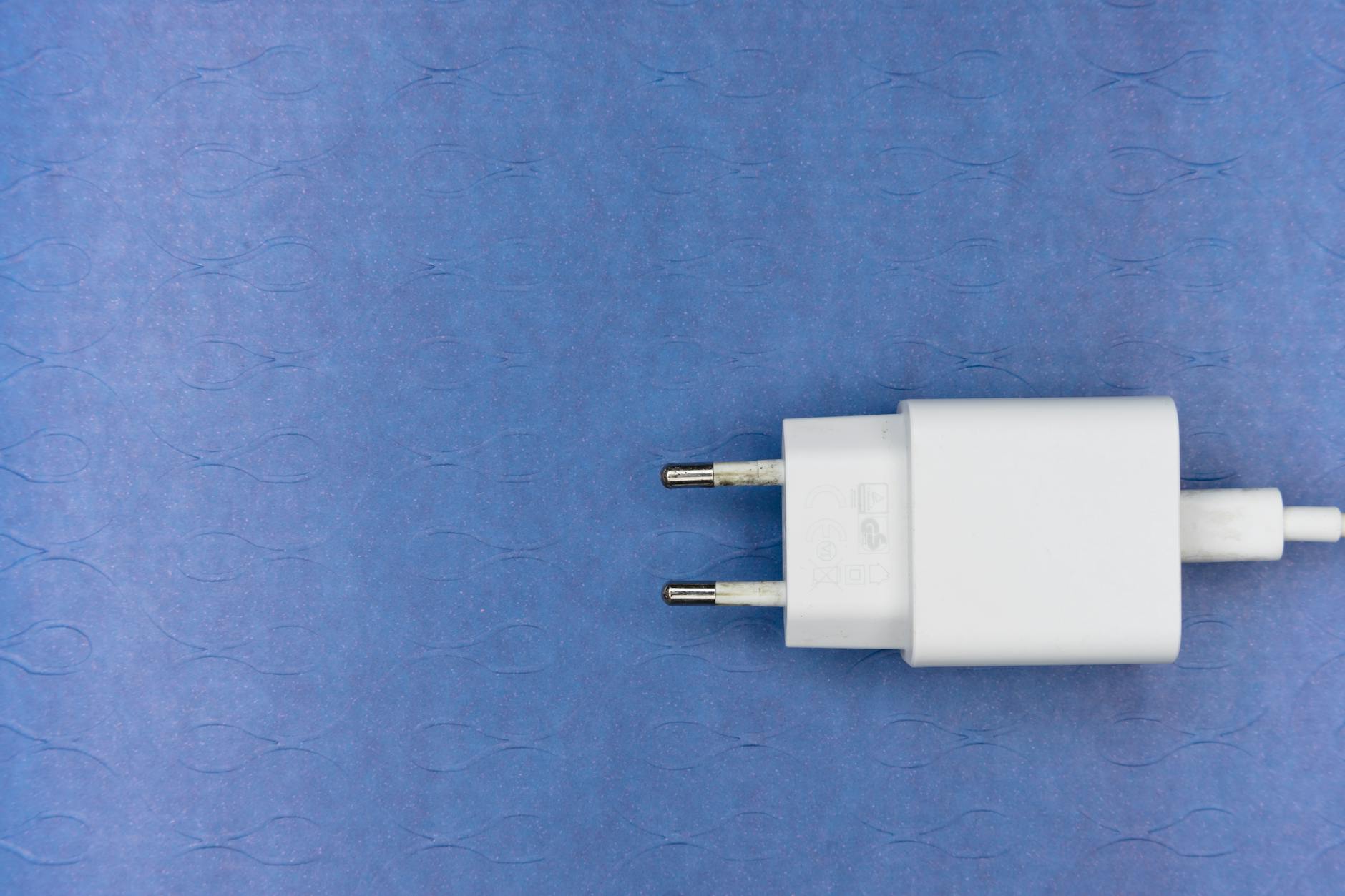
The new policy establishes specific limits to ensure that any potential battery issues are manageable. Passengers are now permitted to carry a maximum of two portable chargers, and each device must stay under a 100-watt-hour capacity. Additionally, travelers must keep these devices visible and within reach throughout the flight rather than storing them in overhead bins. A key change to note is that charging these power banks using in-seat outlets is now prohibited during the flight. This proactive approach helps the flight crew monitor the cabin effectively and respond quickly to any overheating or malfunctions.
American Airlines joins other major carriers like Southwest in adopting these measures, which also follow recent standards set by the UN aviation agency. Reports from safety organizations show that fire incidents involving lithium-ion batteries are increasing, making these updates a necessary step for modern aviation. Although the rules are more specific than in previous years, they underscore a commitment to safety that allows the industry to adapt to the high number of electronic devices carried by the average traveler today.