
- Global Economic Engine: With 20,700 port calls across 800 destinations each year, scheduled ship arrivals provide steady, recurring revenue for local merchants and service providers.
- Direct and Indirect Employment: In addition to 1,400 direct employees across Caribbean ports, thousands of local entrepreneurs, transport operators, and excursion guides benefit directly from arriving guests.
- Regional Revitalization: Cruise tourism delivers critical economic replacement and stability in regions like Alaska following transitions away from historical industries.
- Targeted Infrastructure Partnerships: Carnival Corporation co-invests in sustainable pier upgrades, terminal developments, and logistics systems to support responsible, long-term community growth
Carnival Corporation continues to serve as a vital catalyst for economic growth across global coastal communities. Across roughly 20,700 port calls per year in 800 destinations worldwide, the arrival of each cruise ship provides an immediate infusion of commercial activity. Beyond offering memorable vacations, the company operates as an active economic partner, generating jobs, supporting local supply chains, and driving revenue directly into host communities.
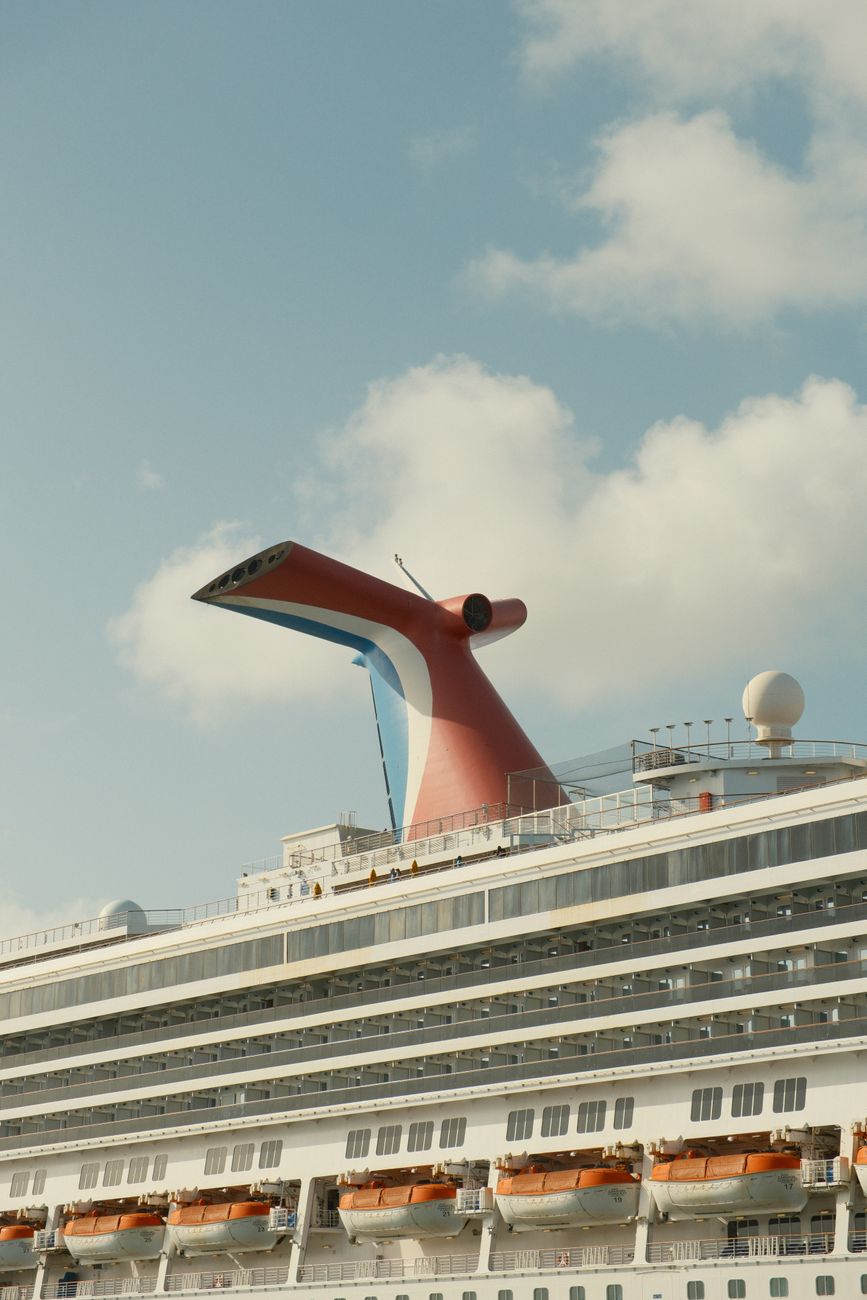
The economic ripple effect is especially profound in key regions like the Caribbean and Alaska. In the Caribbean, the world’s most visited cruise market, Carnival Corporation directly employs around 1,400 individuals at its exclusive destinations and company-owned ports. Thousands more depend on arriving ships for their daily livelihoods, including independent tour operators, taxi drivers, artisans, restaurant owners, and guides. In Alaska, cruise tourism has revitalized communities transitioning from traditional industries like timber, helping build reliable seasonal and year-round economic stability.
In addition to day-to-day guest spending, Carnival Corporation invests heavily in port infrastructure. Strategic partnerships with local port authorities facilitate long-term pier enhancements, modern terminal expansions like Cruise Terminal 3 at Port Canaveral, and sustainable facility upgrades. These intentional investments enable destinations to manage guest traffic comfortably, expand their tourism capacity responsibly, and create lasting career pathways for residents.